This story is part of a series on gun violence reduction strategies produced with the support of the Solutions Journalism Network.
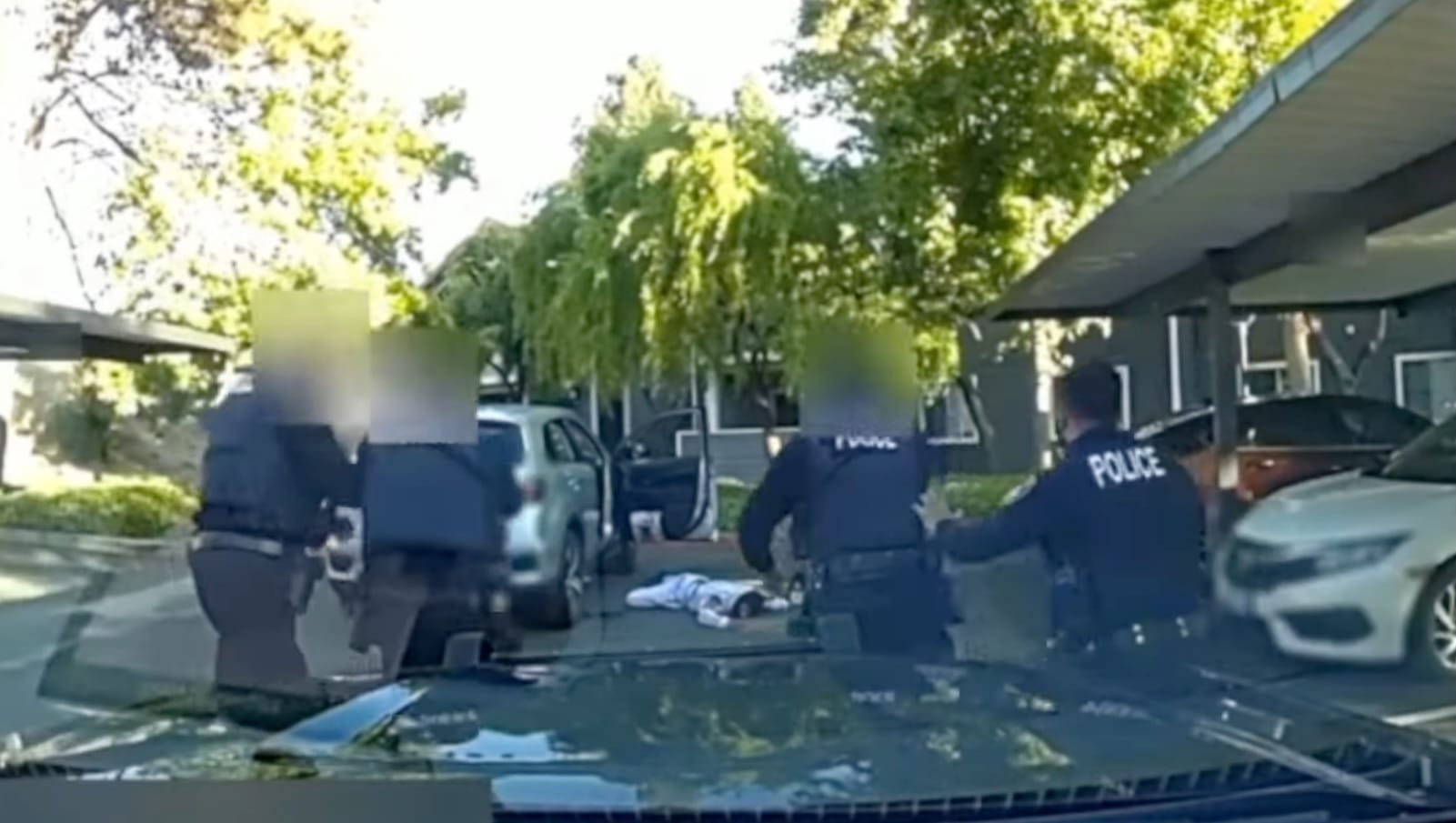
VALLEJO — When a gun battle erupted in Vallejo’s Country Club Crest neighborhood on a Sunday afternoon last year, a mother was driving through the area with her 4-year-old daughter in the backseat.
The girl was struck by a bullet in the midst of what neighbors described as a never-ending staccato of gunfire, as bullets riddled homes, cars and sidewalks.
The mother rushed her daughter to Kaiser Vallejo. While the child survived, the scars will last the rest of her life.
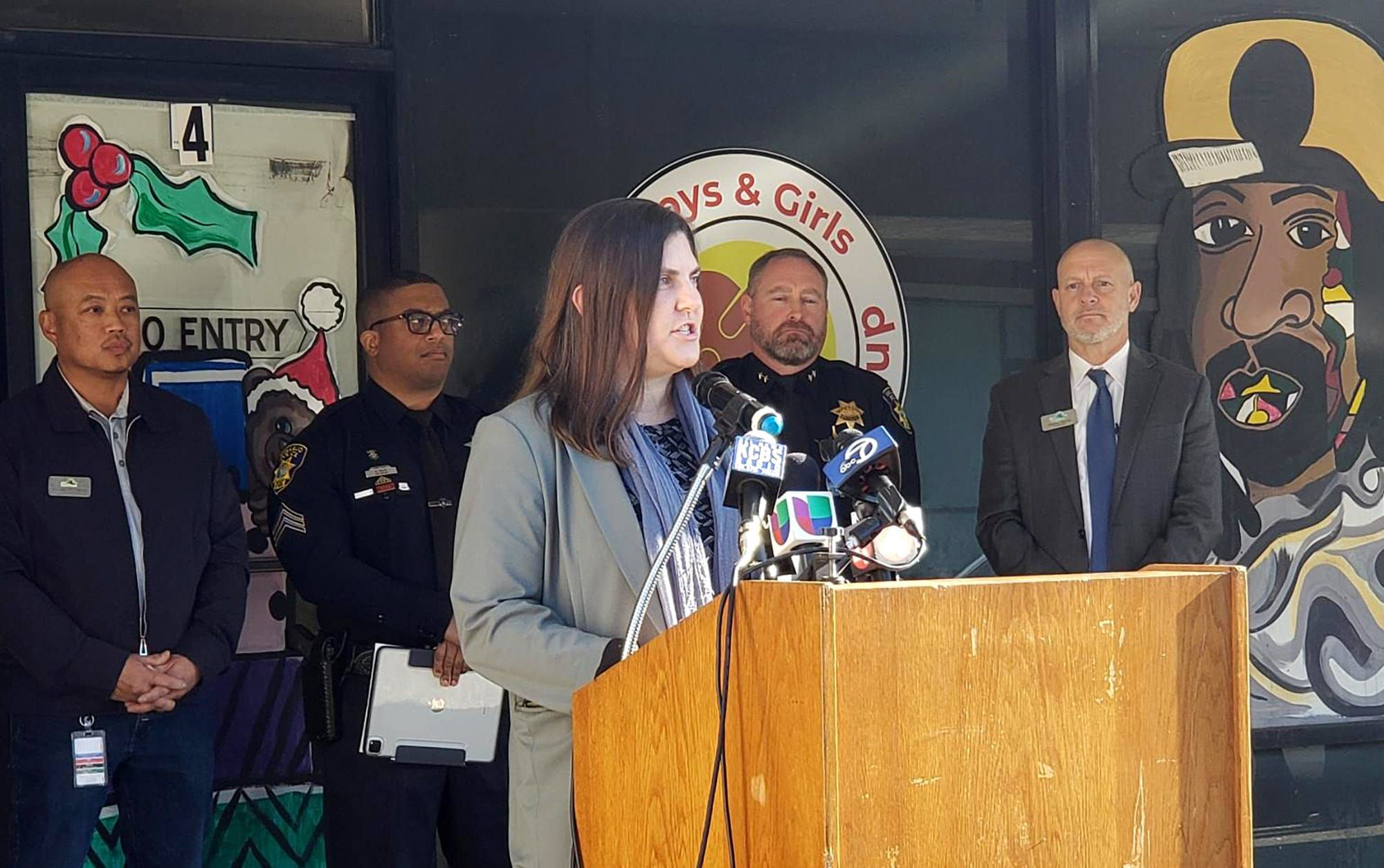
The harrowing incident outraged city officials, who called for a new strategy to reduce gun violence. Earlier this month, Vallejo Police announced details of the new strategy, which they call Project VISION.
But the city leaders who called for a new strategy seemed unaware that two previous efforts were still active when the January shooting occurred. The latest attempt to design a new strategy is part of a long pattern of gun violence reduction strategies with well publicized launches that later quietly faded away, with little to show for them amid a continuing epidemic of gun violence in the city.
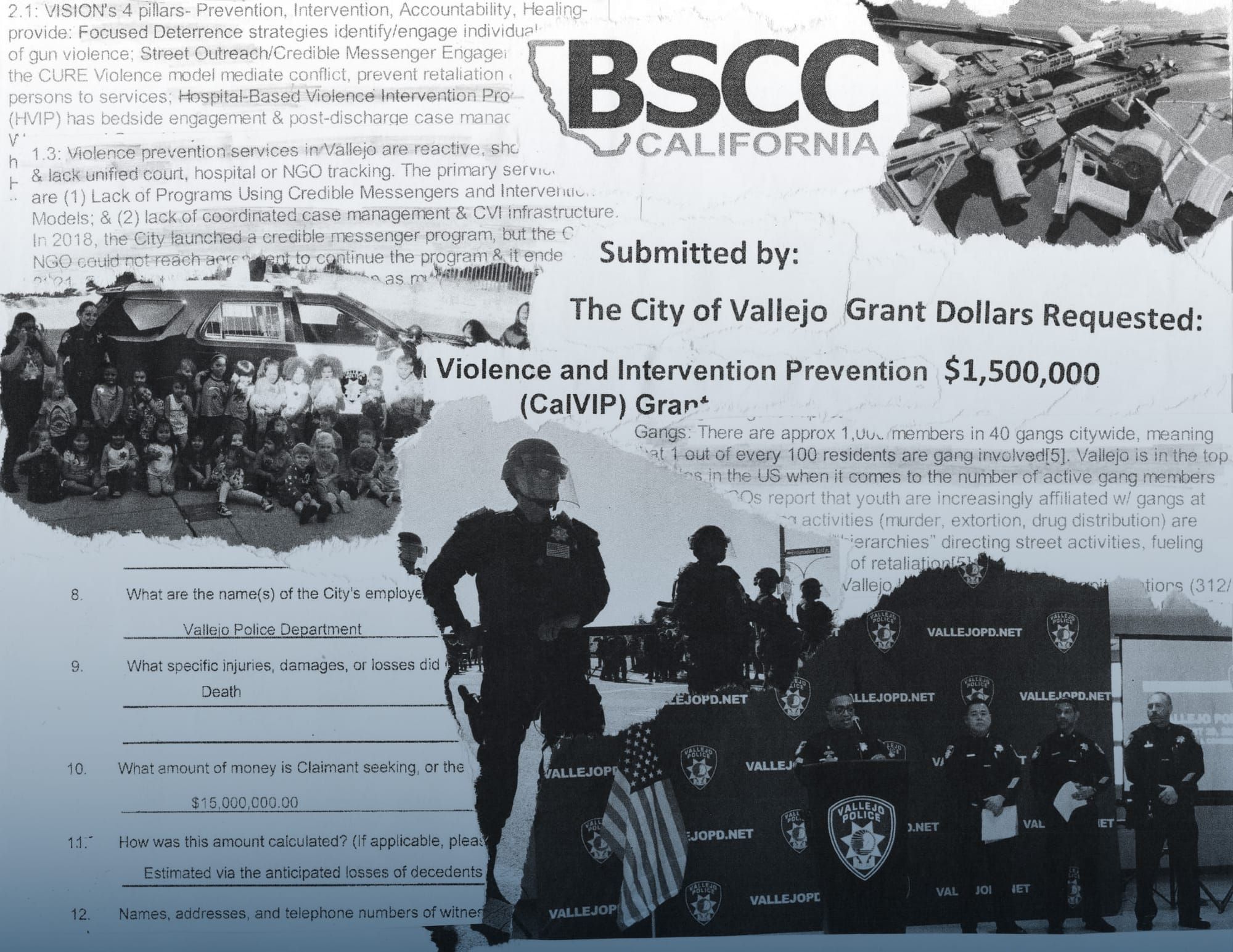
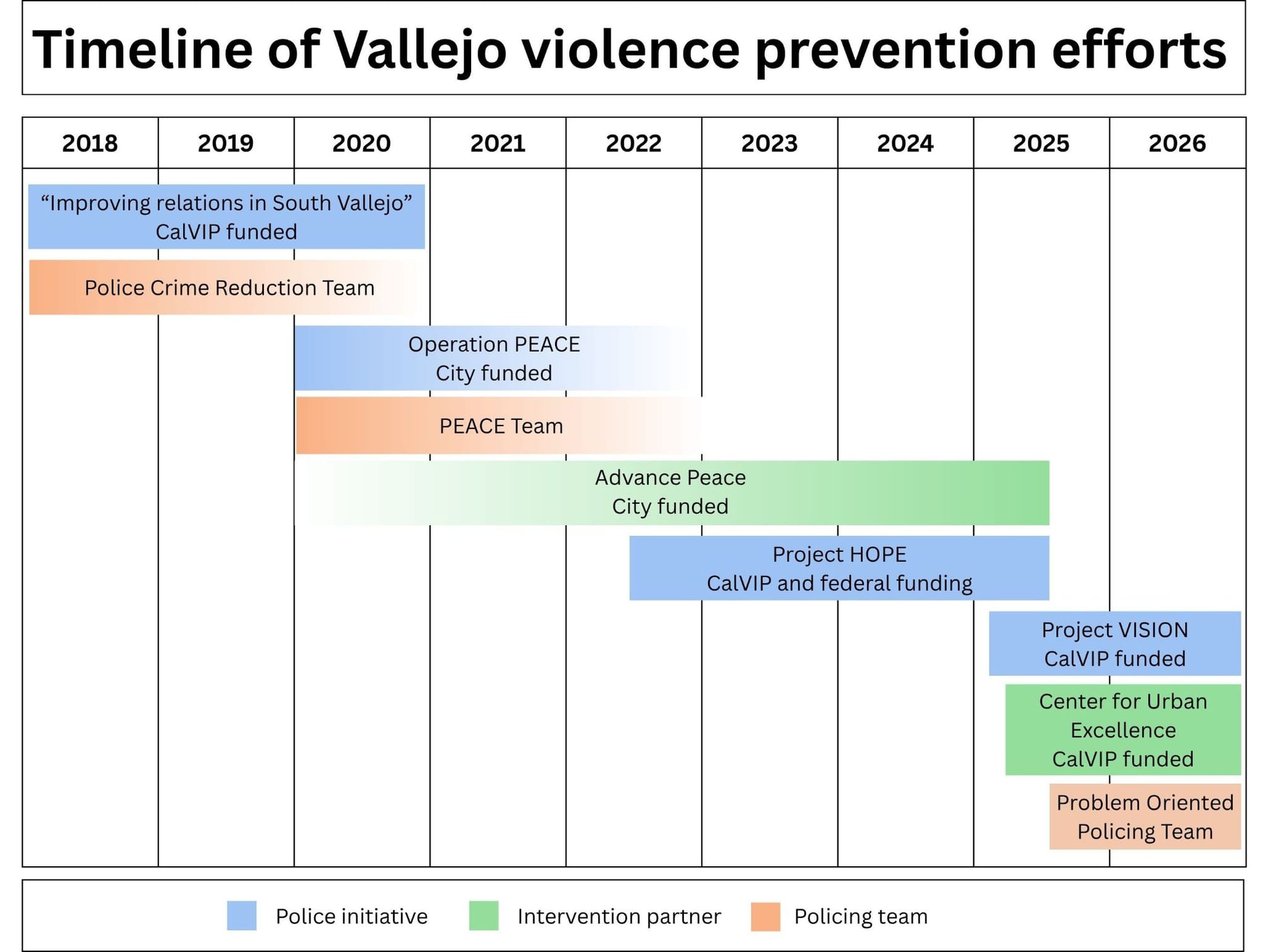
Since 2018, Vallejo police have allocated nearly $6 million in state and federal funding for five distinct violence reduction projects.
The Vallejo Sun obtained the Vallejo Police Department’s grant applications and quarterly reports over the last 8 years through public records requests, and found the city’s gun violence reduction strategy has been unclear and inconsistent. The records show a high turnover of community partners and city staff, disrupted efforts, issues with payment and communication between involved parties and missing quarterly grant reports.
While many gun violence reduction strategies are proven effective, and Vallejo has tried several, experts warn of the importance of sticking to one and following through with it.
City and police spokespeople provided little information about these previous efforts and did not respond to interview requests.
Former Vallejo Mayor Robert McConnell, who participated in the launch of two separate gun violence reduction initiatives, said in an interview that he does not know what happened to them after they launched.
Funding for one of those initiatives was entirely cut after a year, unknown to McConnell. The other never had any information published about its progress and was apparently never brought back to the City Council.
"I didn't ever really hear about it [again],” McConnell said. “There’s no follow up.”
Best practices for reducing gun violence
Amid a nationwide crime spike during the COVID-19 pandemic, 28 people were murdered in Vallejo in 2020. It was the city’s deadliest year since 1994.
Since then, crime rates have declined in many cities to pre-pandemic levels. But murder rates in Vallejo remain elevated, with seventeen people murdered last year.
In contrast, two other Bay Area cities with historically high rates of gun violence, Oakland and Richmond, both reported record low homicide rates last year. Unlike Vallejo, both cities have some of the longest running and effective violence prevention efforts in the nation.
Oakland has been funding violence prevention efforts through special sales taxes for over 30 years while Richmond has the longest consecutively operating Office of Neighborhood Safety in the country.
Vaughn Crandall, an expert at the University of Pennsylvania, helps cities design and implement violence reduction programs. He also helped design the California Violence Intervention and Prevention Program, or CalVIP, the principal source of funding for gun violence reduction efforts statewide.
“The way you deal with violence is by intervening with people who are going to shoot somebody or be shot right now,” Crandall said in an interview. “That's what intervention is.”
Violence prevention and intervention differ from traditional policing efforts, which are reactive in nature and respond to incidents after they occur. Modern gun violence reduction strategies seek to stop violence before it occurs and address the risk factors associated with gun violence.
CalVIP grant funds are not intended to bolster police enforcement operations, yet Vallejo police have frequently applied for the money to make up for budget shortfalls.
Vallejo police have repeatedly used half of the funds to pay police salaries, increasing patrols in “hotspot” locations, and improve community relations.
None of these fall under the scope of CalVIP funding or are evidence-based solutions to reducing violence, said Crandall.
As part of the CalVIP grant requirement, half of the allocated money has to go towards a community partner. Vallejo police have designated these community partners as responsible for the violence intervention aspect.
While nonprofit partners conducted some prevention work, it appears that no intervention work has ever been conducted, which involves actively intervening in ongoing conflicts.
According to Crandall, the first step in developing a crime reduction strategy is to conduct a problem analysis, which analyzes patterns of violence and who is behind them. Yet despite having millions of dollars available, the city didn’t answer whether it had ever conducted a formal problem analysis.
“If a city does not have a written strategy, then they don't have a plan,” Crandall said.
Vallejo police have consistently labeled gang affiliations and youth as the problem in their grant reports, saying that one in every 100 Vallejoans are gang affiliated, with violence concentrated in South and North Vallejo.
They have provided little data to back these claims. According to a Sun analysis of homicide victims over the past two years, the majority of victims are over 30 years old.
According to Crandall, targeting youth is a misguided strategy. “Gun violence is not a youth problem,” he said. “That is at best a misunderstanding, at worst, it's just a thing people say.”
The lack of accountability and results stems from a lack of leadership, Crandall said. “The fundamental issue that you're facing, what the city is facing, is they don't have an effective political commitment to address this issue,” he said.
In Vallejo, the city manager’s office is responsible for the budget and ensuring that the money is well spent. But frequent turnover in the position makes long term leadership difficult. The most recent permanent city manager, Andrew Murray, left the city this month after two years.
Violence intervention is not easy, and meaningful decreases in homicides take years if not decades of concerted effort. Without a strong leader — both accountable for and empowered to coordinate the city's violence reduction strategy — those efforts are unlikely to last and have an impact.
“If any city wants to be serious about reducing violence, it really has to commit to understanding the problem it has, building an evidence-informed strategy to address it, putting a powerful leader in charge and being accountable to the public for results.” Crandall said. “That is what CalVIP grants are supposed to support.”
2018-2020: Improving community relations in South Vallejo
Vallejo police received nearly $500,000 in a CalVIP grant in 2018 to improve the department’s community relations in South Vallejo, specifically with Latinos, Filipinos, youth and homeless people.
“Given its low funding, VPD realized that it needed the community’s help to combat crime,” the grant application states. “Now both [police and community] routinely engage in non-enforcement activities, working together to address crime.”
Vallejo police said their focus on targeting youth was to prevent them from joining the more than 40 gangs citywide.
“Latino gangs continue to wreak havoc in Vallejo, with young gang members ready to battle in the footsteps of senior members of the ‘Norteños’ and the ‘Sureños’ street gangs, each with a documented history of gun violence and criminal activity,” the application states.
While the grant period focused on “improving community relations,” it also included a violence reduction aspect, which police said would be done through its Crime Reduction Team.
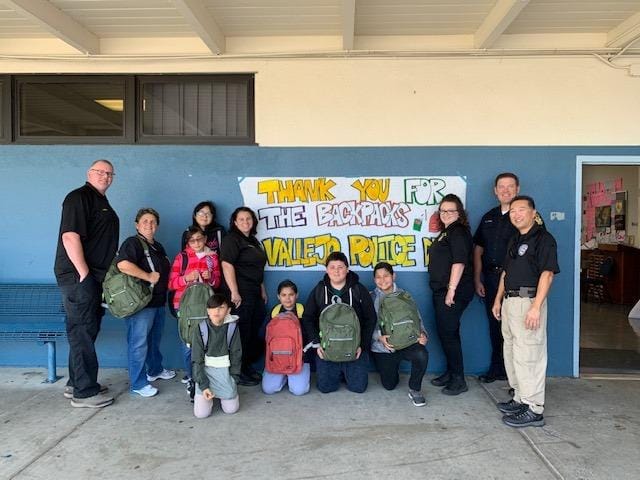
Little public information is available about the team. Its aims were closely aligned with the police PEACE team – part of a subsequent grant application – that likely took their place.
Part of the funds were used to hire police staff. The grant application noted that “the department is limited in its ability to hire new officers because Vallejo’s leadership is fearful of long-term financial obligations that it will not be able to meet.”
At the same time, Vallejo police said they also launched a “credible messenger program” doing violence intervention and prevention. This was listed as a goal in their 2018 grant application, however their program evaluation made no mention of such efforts ever materializing and the organization was not named.
Police later acknowledged in a 2025 grant application that the intervention program failed because “the City & NGO could not reach an agreement to continue the program” and that the partnership ended in 2021.
2020: Operation PEACE
In 2020, Vallejo police announced Operation PEACE. Its aim was reducing crime through "Predictive Enforcement And Community Engagement.”
Like previous and future efforts, Operation PEACE listed focusing on “improving community relations” and hotspot policing as its main strategies to reduce violent crime.
Vallejo police submitted a grant application to CalVIP in 2020 to support Operation PEACE. It was largely focused on improving the department’s public relations.
“VPD is under public scrutiny having undergone police misconduct, bias, and excessive force investigations that further damages trust,” the department stated in the grant application. “Given the mistrust of police, VPD understands that it needs to rely on local nonprofits to bridge the divide and rebuild trust.”
A 2020 city-commissioned report found that Vallejo police officers had an “‘us against the world’ mindset.” The department argued that the poor perception from several high profile police shootings and allegations of officers celebrating them was a reason to engage community partners.
In their grant application, Vallejo police quoted French philosopher Michel Foucault — who coined the term Panopticism to describe how people alter their behavior when they believe they are being watched — to describe their hotspot policing strategy.
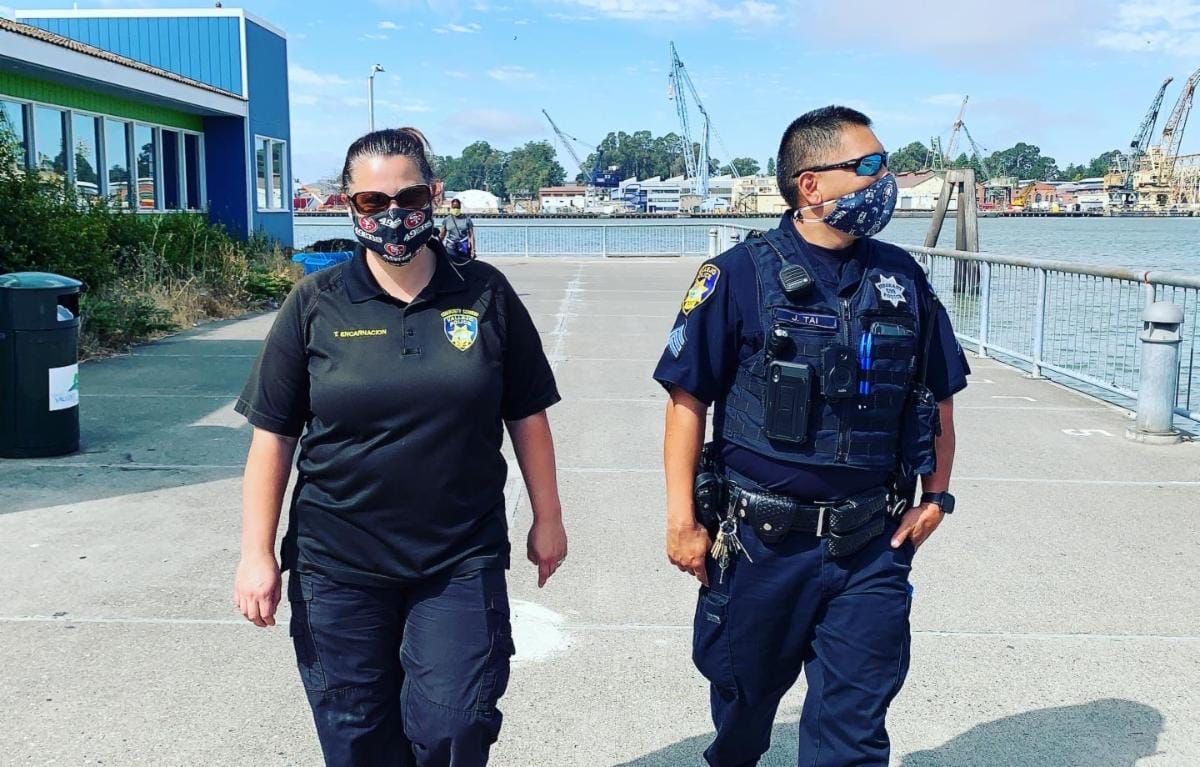
In December 2020, the U.S. Attorney’s Office announced a federal partnership with the Vallejo police PEACE team conducting targeted enforcement and reported the collaboration had made several arrests.
The strategy apparently didn’t last long. In a recent interview, Vallejo police spokesperson Sgt. Rashad Hollis said that “The PEACE team has been deactivated for a while.”
He did not specify when Operation PEACE actually ended but it remains listed as part of police duties on the city’s most recent budget.
Hollis said the department’s Problem Oriented Policing team, launched last year, took the PEACE team’s place. The POP team specializes in conducting hotspot policing, addressing sex trafficking, drug use, and specific crime patterns, according to Hollis.
2022-2025: Advance Peace
In Vallejo police’s Operation PEACE grant application, police stated they intended to partner with a nonprofit founded in Richmond called Advance Peace to conduct community violence intervention.
Since the grant was not awarded to Vallejo police, the partnership never materialized. The City Council would still tap Advance Peace for another new strategy in the coming years.
Advance Peace uses a community violence intervention approach designed to reduce retaliatory gun violence by working directly with individuals at the highest risk of gun violence.
It offers what they call the Peacemaker Fellowship, an intensive 18-month program that helps individuals move away from gun violence.
The City Council voted to allocate $700,000 to Advance Peace in 2022 using money from the federal American Rescue Plan Act.
Then-Councilmember Hakeem Brown said of Advance Peace in an email disclosed through a public records request: “considering how our murder rate has increased 175% I hope we can consider bringing this program to Vallejo. It will save us money. It will reduce gun violence.”
Shortly after winning the contract, Advance Peace exchanged emails with then-Chief Shawny Williams and then-Deputy Chief Jason Ta, who was deputy chief at the time, about collaborating on sharing data. However, it does not appear that the relationship ever materialized.
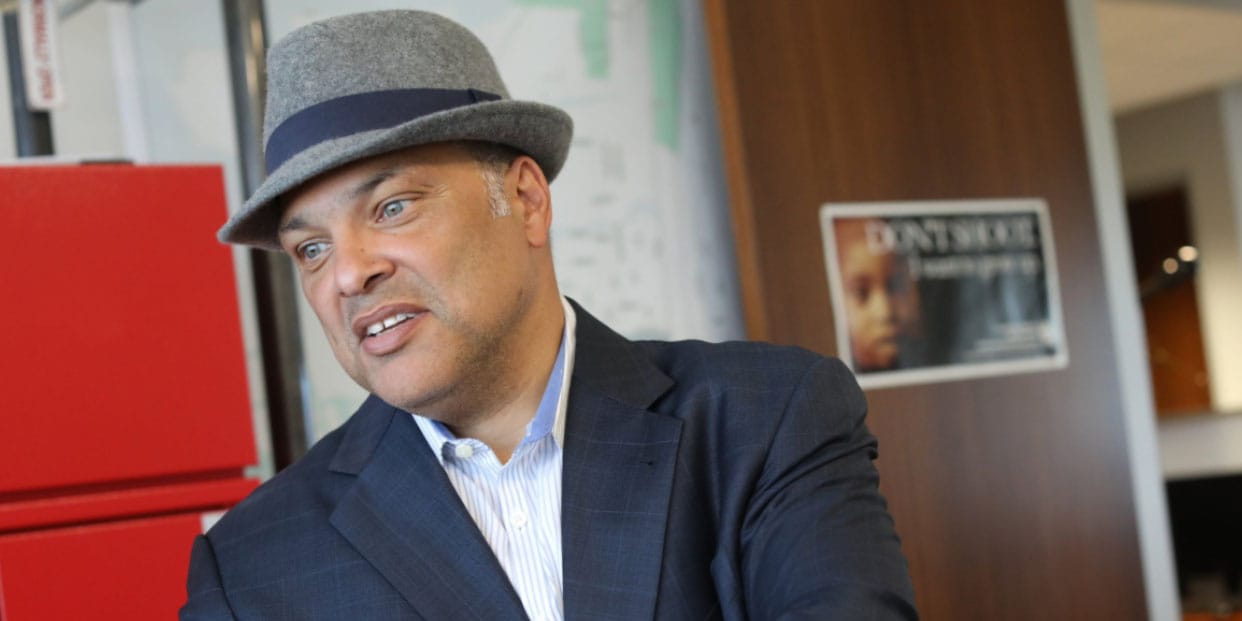
Advance Peace founder Devone Boggan said in an interview that changes in city leadership and fiscal pressures “led the new administration to determine that it could not move forward with the remaining funding commitment due to economic constraints.”
Williams suddenly resigned later that year amid clashes with the Vallejo Police Officers Association.
Advance Peace required a $2.5 million funding commitment spread over three years to begin operations. The city pledged $1.3 million and said it would work to find other sources of funding.
But after the city manager's office dolled out the original $700,000, funding basically stopped. In 2023, Advance Peace received $26,000, and nothing after that.
While the program attracted lots of public support from council members and citizens at the time of its launch, a year later, it had disappeared from public discourse.
“It was disappointing, because the goal was to build and sustain the local leadership, frontline workforce, and infrastructure necessary to produce the kind of long-term violence reductions seen in places like Richmond,” Boggan said. “Those outcomes require sustained commitment over time.”
Boggan asserts that the relationship ended because the city failed to keep its funding commitment.
Vallejo spokesperson Robert Briseño said in an email that Advance Peace changed their business model and that the partnership “would require a different structure and higher costs than originally anticipated.”
Boggan denied both of these claims. The city did not provide any documents in response to a public records request that showed any amendments to costs or Advance Peace’s business model.
Using the initial $700,000 funding, Advance Peace was able to launch a cohort of 17 Peacemaker Fellows who graduated in June 2025. At that point, Advance Peace officially left Vallejo.
2022-2025: Project HOPE
In 2022, Vallejo Police received a $1 million federal grant and another $1.5 million grant from CalVIP to launch Project HOPE, which stands for Harm-Focused Outreach, Prevention, and Engagement.
Project HOPE was intended to conduct hotspot policing, street outreach, hospital based violence intervention and community violence intervention.
In their final quarterly grant report, Vallejo police said that “Project H.O.P.E.’s integration of enforcement, outreach, and hospital-based intervention contributes to coordinated violence reduction effort.”
In all of these aspects however, it appears that Project HOPE encountered extensive difficulties or outright failed.
Project HOPE paired with various community partners to do street outreach and intervention work. Their main community partner, which was to receive the majority of the funds, was Solano Advocates for Victims of Violence, or SAVV.
At the same time, Advance Peace was contracted by the city to do similar work.
SAVV however was cut out of the partnership for being “unable to fulfill grant requirements”, according to a November 2024 grant progress report.
SAVV founder and executive director Carmen Reyes disputed that claim in a statement and said that agreed-upon plans with the police were changed once project implementation began.
“These changes, combined with significant delays in launching the program, made it impossible for SAVV to deliver ethical and effective services,” she said.
Reyes said that SAVV was not removed but rather that they formally withdrew “due to the altered terms and lack of necessary support.”
SAVV was in charge of conducting community outreach and victim support, but never actually provided any of those services.
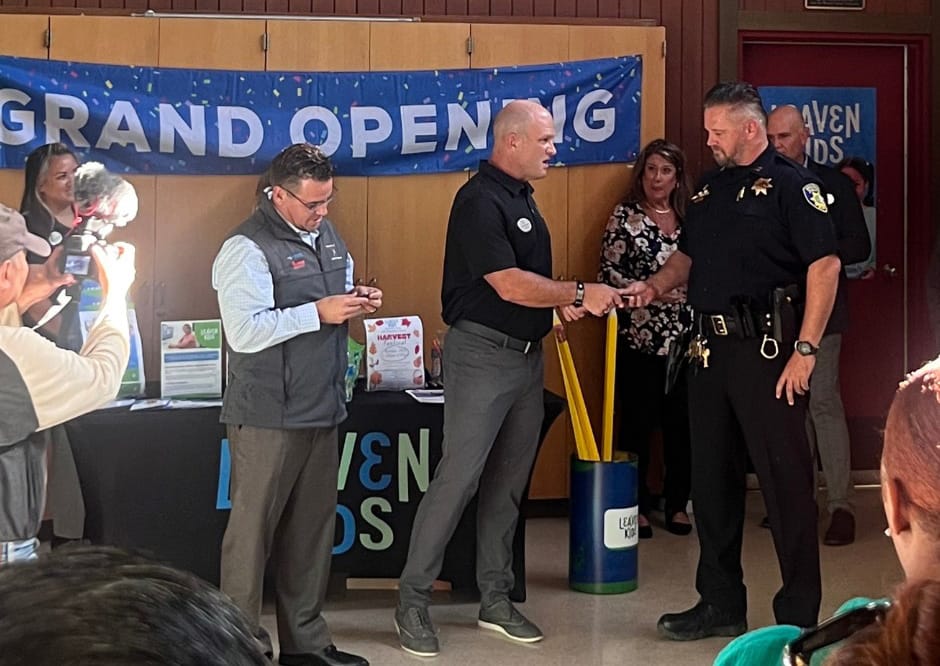
The $442,000 in funding allocated to SAVV was redistributed to other partners, according to police grant reports. It is not clear what services the other partners provided. However, none of them listed violence intervention as a service provided.
Another core element of project HOPE was to conduct hospital-based violence intervention, where victims of gun violence are reached directly at their hospital bedside. The strategy was developed after trauma surgeons noticed that gunshot wound patients kept being readmitted for the same injuries. That too, according to a Kaiser spokesperson, never occurred.
Kaiser spokesperson Lena Howland said in a statement that “Kaiser Permanente has not committed to a Hospital-based Violence Intervention Program in Vallejo.” She did not provide further details.
A Vallejo police financial administrator and a program coordinator, who were specifically hired for the program, left halfway through the grant period in August 2024. They were not replaced until January 2025.
The police progress reports stated that “PD staff changes made it difficult for partners to communicate and clarify roles” and that “backlogs in payments create tension between city staff and partners.”
Meanwhile, an unnamed police sergeant responsible for the hotspot policing effort was reported to be on leave of absence for almost all of 2024, “halting hotspot policing efforts.”
While the project was intended to serve a minimum of 171 youths and hundreds were reported to have been contacted, only 18 individuals enrolled in their Youth Diversion Program, according to quarterly progress reports submitted to the state. Only one was reported to have successfully completed it.
Jana Sanford-Miller, a spokesperson for the Board of State and Community Corrections, which oversees CalVIP, said that Vallejo police failed to turn in two quarterly progress reports. According to Sanford-Millar, police later disclosed to the state that the unreported quarters saw 25 first-time and 32 repeat enrollments.
Even if their youth violence diversion program had seen higher enrollments, it is unclear whether it would have affected gun violence.
“Youth diversion doesn't work,” said Crandall. “It's not the right people. It's not going to reduce violence.”
“Nobody should be getting any CalVIP money to do youth diversion,” he said.
Can Vallejo commit to a long term strategy?
With the short lived exception of Advance Peace, Vallejo police have controlled all of the state and federal funds granted for violence reduction efforts in Vallejo. But department turmoil, including various high profile scandals, low staffing and turnover, has resulted in them being unable to provide the leadership necessary to coordinate and make these efforts long-lasting.
While half of the state CalVIP grant money has to be allocated towards community partners, the work done conducting actual violence intervention by them remains unclear, if not explicitly stalled or non-existent.
Vallejo police have consistently used their half to pay for their salaries, improve community relations and boost patrols conducting hotspot policing. The department seems to conflate improving community relations with community violence intervention.
Hotspot policing may also undermine their stated goal.
Vallejo police consistently refer to North and South Vallejo as the “hotspot” locations needing extra policing, as well as where they want to focus their efforts building “community relations.”
Yet, according to UC Berkeley sociologist Nikki Jones, extensive police presence in a localized area may result in residents feeling persecuted by police.
“The police are always there because these are hyper-surveiled communities, and at the same time, the violence continues,” Jones said.
Jones, who studied various communities that police would refer to as “hotspots,” said that antagonism between police and community actually contributes to further violence.
The end result is an environment where the community wouldn’t want to call on police even if needed, for fear of being further victimized, she said.
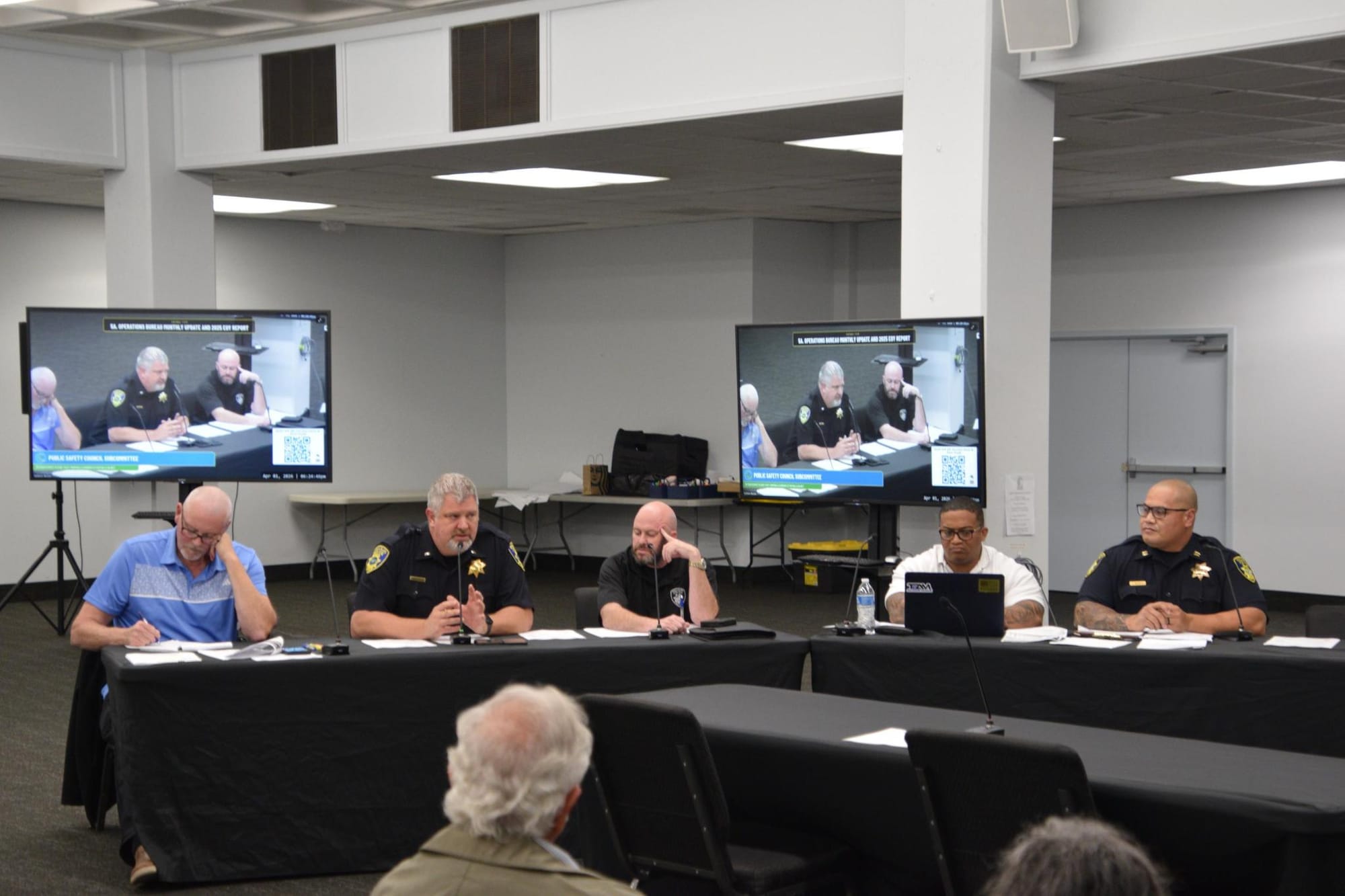
With a new leadership team overseeing it, VISION may be a new opportunity for police and city management, but there are early indications that it may be beset by the same issues as previous efforts.
A hospital-based violence intervention program is supposed to be a core component of the VISION strategy. In their grant application, Vallejo police said they have been developing it since 2021.
The main community partner in current project VISION, the Center for Urban Excellence, actually started working with police under project HOPE after replacing SAVV, according to police grant reporting.
Center for Urban Excellence director Reina Robinson said in an interview that they started developing their Hospital-based Violence Intervention program during Project HOPE.
But Kaiser Vallejo has denied a partnership or program existing.
The city and police still have yet to publish a written plan, budget, or evidence of implementation for their plans.
At a recent City Council public safety committee meeting discussing Project VISION, councilmembers expressed willingness to fund violence reduction efforts, provided that they see evidence they’re working. But as the city goes into its budget process with a projected $29 million deficit, it’s unclear where the money would come from.
Recent upheaval in the city manager's office will further complicate how the CalVIP funds are used. Crandall, the violence reduction expert at the University of Pennsylvania, argues that the city needs someone with the political power to galvanize support behind violence intervention.
“You need a city strategy to reduce violence in Vallejo, California, and the city needs to own it,” Crandall said.
“That person can't just be seen as like, ‘oh, my job is to give money to community organizations,’” he said. ”No. Your job is to run a city level strategy that's going to reduce homicide this year. That's the job.”
Editor's note: This story has been updated to clarify quotes by Vaughn Crandall.
Before you go...
It’s expensive to produce this kind of high-quality journalism we do at the Vallejo Sun. And we rely on reader support so we can keep publishing.
If you enjoy our regular beat reporting, in-depth investigations, and arts and entertainment calendar, chip in so we can keep doing this work and bringing you the journalism you rely on.
Click here to become a sustaining member of our newsroom.
THE VALLEJO SUN NEWSLETTER
Investigative reporting, regular updates, events and more
- policing
- government
- Vallejo
- Vallejo Police Department
- VISION
- Andrea Sorce
- Robert McConnell
- Vaughn Crandall
- California Violence Intervention and Prevention Program
- Andrew Murray
- Operation PEACE
- Rashad Hollis
- Robert Briseno
- Advance Peace
- Hakeem Brown
- Shawny Williams
- Jason Ta
- Devone Boggan
- Project HOPE
- Solano Advocates for Victims of Violence
- Carmen Reyes
- Kaiser Permanente
- Lena Howland
- Nikki Jones
- Center for Urban Excellence
- Vallejo City Council
- Reina Robinson