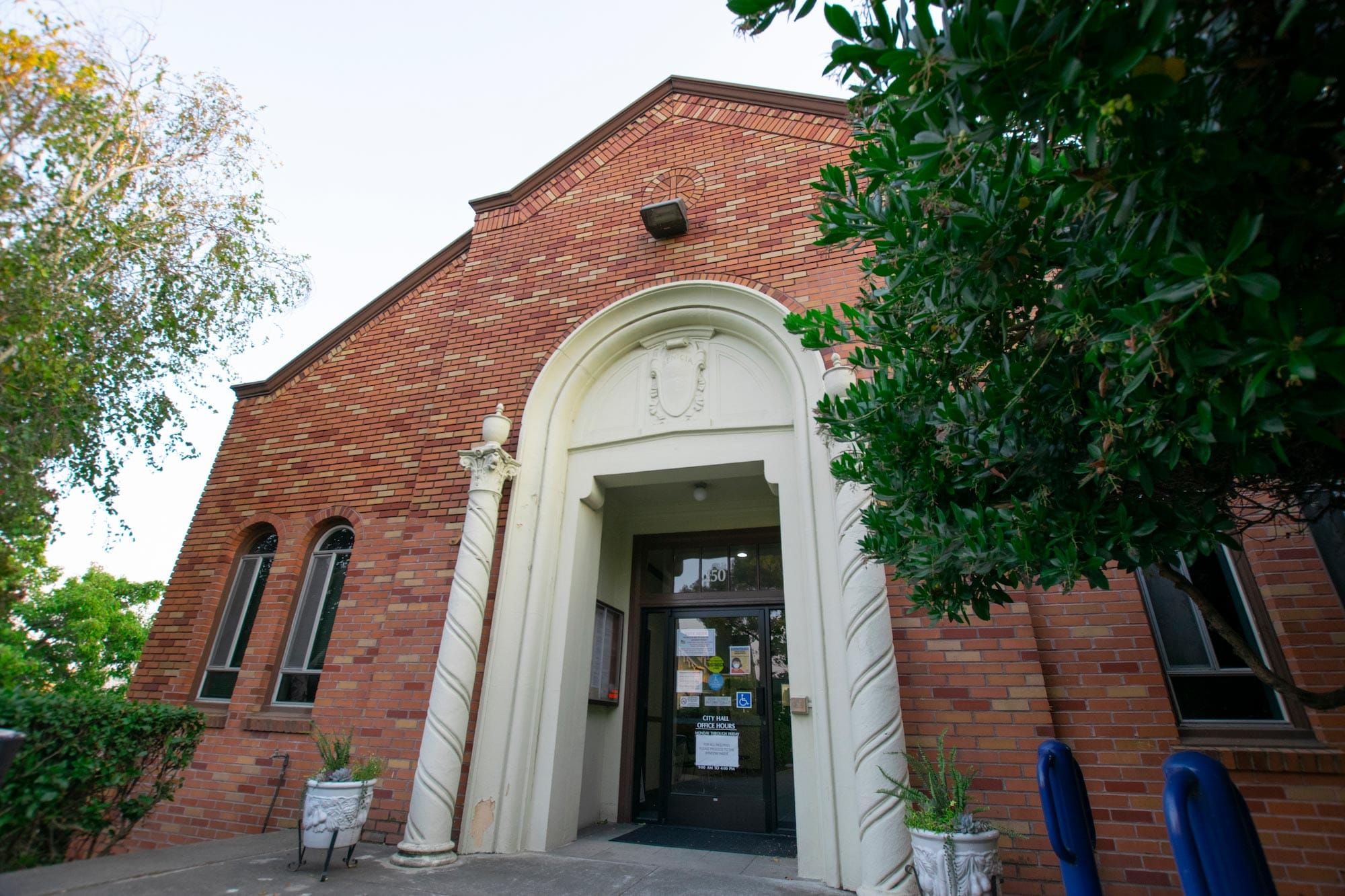
BENICIA - Benicia will attempt again to convince voters to approve two ballot measures intended to levy a new transfer tax on large real estate sales, pitched as a last-ditch effort to generate much-needed tax revenue.
The city is also considering whether to ask voters to approve an updated business license tax plan as part of its effort to shore up revenue.
The Benicia City Council voted 4-1 Tuesday to proceed with drafting two proposed measures on the November ballot for a limited charter tax and a real property transfer tax, with Councilmember Lionel Largaespada opposed. The first measure to make Benicia a limited charter city must pass in order to implement the second measure to levy a real property transfer tax.
Benicia is currently a general law city which cannot levy real property transfer taxes above and beyond the transfer tax cap of $0.55 per $1,000. If voters approve making it a limited charter city and then approve the transfer tax, the tax would be levied on residential properties built on or after Jan. 1, 2027. For residential properties built before January 2027, the tax would apply only to properties with a sale value of $1.5 million or greater. The actual tax schedule that would be on the ballot will be determined at a future meeting.
City staff say the measures are “aimed at closing structural funding gaps and creating a more sustainable and resilient financial outlook.” Per the vote, they will bring back information to show when the average Benicia home would hit the threshold to be taxed, or when those homes may reach $1.5 million in sale value.
Two similar measures on the 2024 ballot both failed. City staff noted in a report that realtors were concerned that the rates proposed in 2024 were high, especially for residential property sales. For properties sold for less than $2 million, realtors preferred rates in the range of $5-$6.
The revised measures have been updated to ensure that residents are insulated from the effects for at least 13 years. The city plans to spend $20,000 on informational mailers about the measures to voters.
“The underlying fiscal challenges remain, and the need for additional revenue solutions continues to be a critical issue for the city,” city staff said in the report to council.
City Manager Mario Giuliani said that, if adopted as proposed, the transfer tax would generate about $400,000 annually at first and could generate more than $1 million annually in the future, although it would fluctuate from year to year.
“It’s hard to predict how much turnover you’ll have in residential areas,” Giuliani told the Vallejo Sun in an interview. However, he said by proposing such a measure, “We’re setting up the city for a future revenue stream to pay for potentially millions in deferred maintenance improvements within the next 15 years.”
For example, the recent Blue Rise Ventures industrial park sale for $14.5 million could have generated more than $1 million in revenue if the proposed transfer tax had been in place, according to city staff.
Giuliani told the council Tuesday that the measures are necessary to address the fact that, “We are still not able to keep pace with the cost of providing services,” due to lacking revenue streams.
“We know our economy cannot keep pace with the services this community expects and desires,’’ he said. “We are a residential community and as we look toward the future we anticipate that our economy will change more than a decade before we see significant commercial activity change the landscape. So what else can we do? We are insulating our existing residents to protect them, while putting forward a revenue stream to capture the new developments that we know are coming.”
Councilmember Terry Scott said that in 2024 many voters may have had “tax fatigue” and were concerned about what powers the city could have if it became a charter city. This time around, he thinks voters are concerned about the loss of Valero and understand the need for revenue streams to keep up public services.
Mayor Steve Young said he thinks the city’s messaging in 2024 had an effect on the measures’ failure.
“There was a lot of pushback to the extent of outreach the city did,” citing the large billboards and “ubiquitous” mailers and messaging, which he said taxpayers did not appreciate.
“I think it had a negative impact on our ability to get the message out,” he said. “I would hope that this time, we are not quite so upfront and aggressive.”
Largaespada was the only detractor to the proposal, noting that voters previously rejected the transfer tax measure by 18 points. He said he thinks the measures currently have a 20-30% chance of winning, adding, “If this loses again, there will be consequences with public trust in any future conversation regarding revenue.”
He criticized staff spending nearly $300,000 on what could be a losing campaign, which could be used to address service gaps in some communities. The tax will eventually hit homeowners who plan to retire in the coming years, he said.
Giuliani said that there are no other revenue streams to avoid cutting or even collapsing departments in the future, and that before doing so, the public should have “the opportunity to save it first.” He said the public has had several years since to see the loss of Valero and the city’s new economic reality.
Councilmember Kari Birdseye said she bought her home in 2000 for $350,000, and confirmed with staff that in 15 years, if she sells it for $1.5 million, she would have to pay $6,000 under the proposed transfer tax. Largaespada said she left out the capital gains tax, as well as other costs voters will be thinking about.
“I think what you’re doing here is scare tactics,” Birdseye told Largaespada. “This is what you did in 2024 when you were running, you played a big part in defeating both of these measures.”
“I wish I had this much juice to freak that many people out,” Largaespada responded. “It is not my intention to spook anyone out.”
With the vote, the city will next hold a public hearing on the charter measure and transfer tax structure May 19, with another to follow at the June 23 council meeting. The vote to approve placing the measures on the ballot would take place at the third public hearing on July 21, staff said.
Giuliani noted a potential obstacle this election, as a proposed state ballot measure to impose a one-time 5% tax on Californians with net worths of $1 billion or more recently qualified for the ballot. If it passes, it would make Benicia’s measures moot, he said. The "2026 Billionaire Tax Act," is intended to prevent hospital and clinic closures across California and fund public K-14 education and state food assistance programs.
The city also held a workshop Tuesday to consider updating its business license tax structure, presenting a tax study to look at other cities with similar tax programs designed to capture more revenue from different types of companies.
Consultant Hdl Companies presented several models the city could adopt, such as a tiered gross receipts rate which would tax businesses differently based on their size and number of employees.
The councilmembers mulled the options presented with some concerns, such as the potential impacts on small businesses. Largaespada also questioned the gross receipts model as some businesses will struggle to prove the total value of their gross.
Vice Mayor Trevor Macenski said they should consider a tax cap, with care for “providing larger companies a level of certainty” about what that would look like. He said while he agrees that large companies should pay more due to the revenue they can bring in, he doesn’t want a cap to detract from the city’s economic development opportunities.
“I don’t want to detract the investment into the community just because we didn’t think through what that cap meant to large companies,” Macenski said.
Giuliani said the city can seek to support the business community in this effort while also looking to boost the annual revenue available with a new tax structure.
However, the council did not move to vote on any of the recommendations, as staff will use the feedback and bring back more options for the future to refine a proposal. This workshop could take place at the June 2, meeting, followed by a meeting July 21 to select the council’s preferred business license tax model to use to prepare a proposed ballot measure and ordinance amendment.
Editor's note: This story has been updated to correct that Councilmember Lionel Largaespada voted no on the proposal and the amount spent on informational mailers to voters.
Independent local news depends on you
The Vallejo Sun is supported by readers who value reliable, in-depth local news. Your support helps us continue investigating important issues and keeping Vallejo informed.
Become a member today- government
- Election 2026
- Elections
- Benicia
- Benicia City Council
- Benicia City Hall
- Mario Giuliani
- Blue Rise Ventures
- Steve Young
- Terry Scott
- Kari Birdseye
- Lionel Largaespada
- Trevor Macenski
- Hdl Companies

Natalie Hanson
Natalie is an award-winning Bay Area-based journalist who reports on homelessness, education and criminal justice issues. She has written for Courthouse News, Richmondside, ChicoSol News, and more.
follow me :