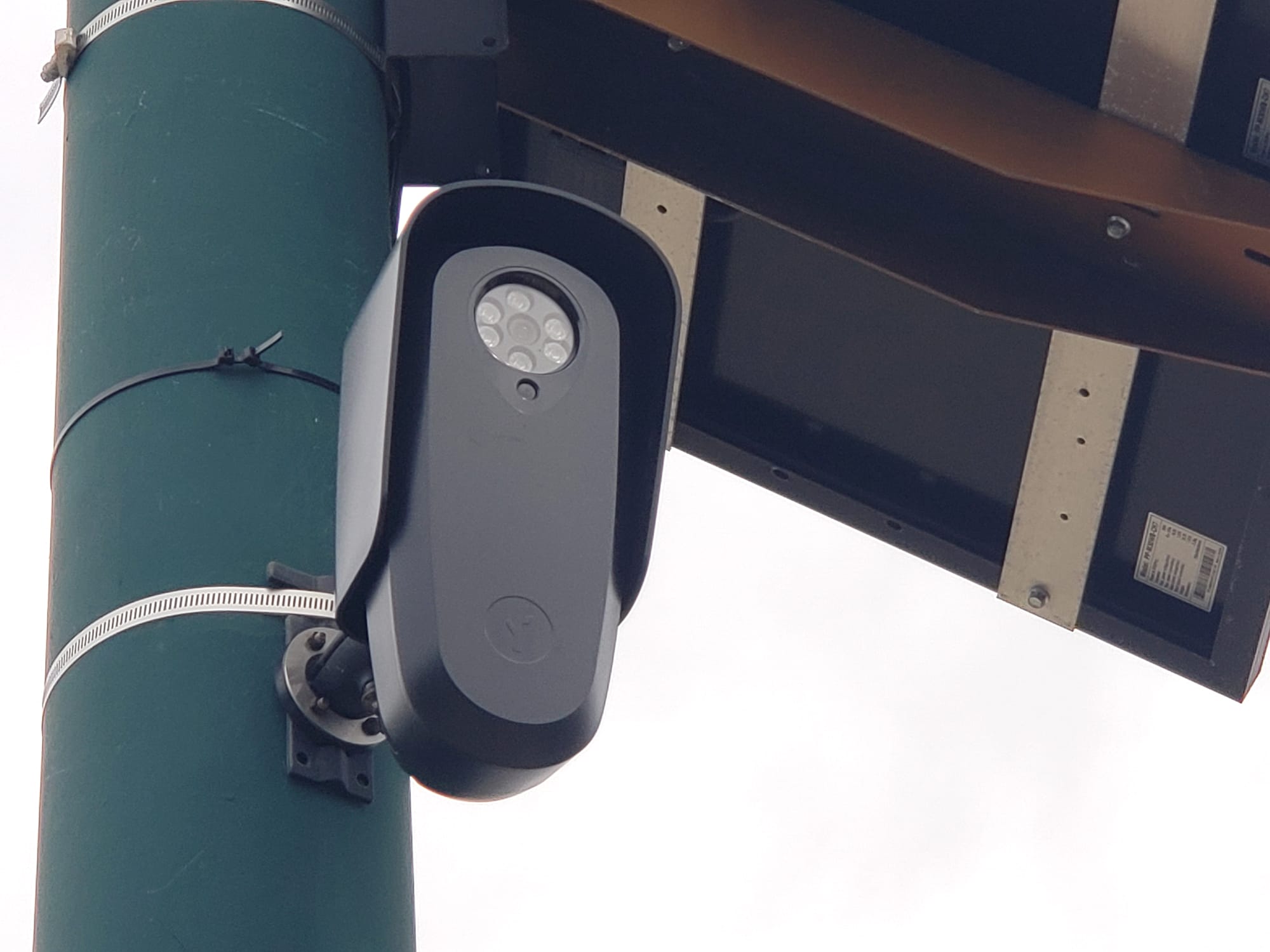
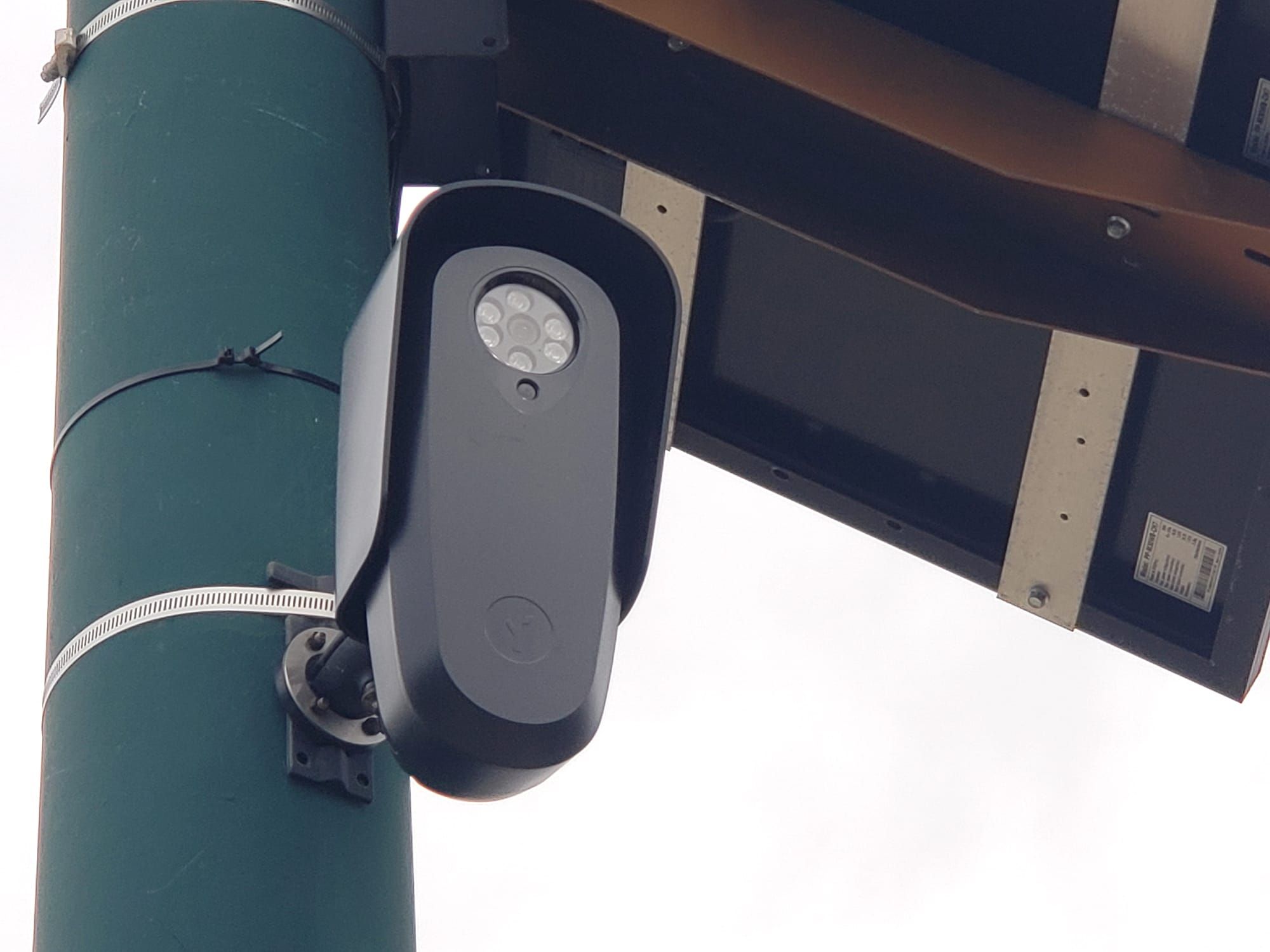
VALLEJO – Vallejo’s Surveillance Advisory Board directed city staff Thursday to schedule a formal discussion on whether to recommend the city rescind contracts with Flock Safety as cities across the country have ended relationships with the controversial surveillance contractor.
Board Member Alexander Bras had requested to schedule a discussion of Vallejo’s current contracts with the company in July, given recent local and nationwide criticism of Flock’s surveillance systems. In Vallejo, Flock provides Raven gunshot detection technology and automated license plate recognition (ALPR) cameras.
Vallejo’s contract with Flock for ALPR cameras is also under review by the City Council, which is seeking input from the Surveillance Advisory Board and the Police Oversight and Accountability Commission.
However, it could be months more before the City Council schedules a discussion to take up the contract.
At least 20 cities in California and more across the country have already canceled their contracts with Flock Safety, including Half Moon Bay and Mountain View. Public concern has grown over how law enforcement officials access data gathered by the mass camera network that the company operates, including over whether Flock enabled unlawful data-sharing between California law enforcement and out-of-state police and federal officials.
A “preliminary audit” that the Vallejo Police Department conducted of surveillance technologies was included as part of Thursday’s meeting materials. According to Bras, the department also conducted a network audit of the ALPR cameras, which Bras said showed “zero incidents of any of VPD’s ALPR data going to any outside agency since November 2025.”
The company also regularly conducts internal audit reports which it is required to provide to the city. Meanwhile, other cities have begun conducting their own audits of the use of the technology over concerns of data sharing.
The department data included in Thursday’s agenda report showed 75,896 license plate “hot list” reads, with 219 case assists, 62 arrests and 46 vehicles recovered through the cameras’ use. Law enforcement officers can add a license plate to a “hot list” and use ALPR to automatically identify or track particular vehicles in real time.
For the Raven system, the data showed that there were 7,015 Raven alerts between January to August of this year, with the majority connected to fireworks and 1,049 connected to gunshots fired. The city has a contract for use of Raven technology, through part of 2027, to detect gunshots fired across four square miles of “high gunshot areas” in Vallejo.
Surveillance Board Chair Simon Lee said the item will likely be scheduled for a meeting in November as the board’s October meeting may take place jointly with another commission, although that has not yet been settled, other board members noted.
If that joint meeting is delayed, then the discussion of contracts with Flock Safety could take place in October, according to city staff.
Board member Russell Owen said he wanted to see a staff report on any costs, and what happens to the data collected, if the contracts are cancelled. Bras said the city attorney could provide the current contracts without providing a legal opinion.
Six people in public comment asked the board to recommend the Vallejo City Council end its contracts with the company.
Resident Jose Carrizales noted how many U.S. cities’ widespread use of the company’s technology has sparked debates about rights to privacy, amid reports of the technology leading to “false positives” and inaccurate alerts.
He added that residents already do not fully trust the city’s Police Department, and use of the technology could further impact community trust of law enforcement. “This police force is not what I grew up with in the ‘50s and ‘60s,” he said. “When trust erodes in the public arena, facts, no matter who gives them, are not enough to restore it. It’s lost.”
A speaker who identified herself as Demi criticized the widespread use of ALPR cameras that could record and collect all residents’ movements regardless of whether they have committed a crime. “These ALPR readers reveal more than just a license plate,” she said. “Those are very intimate details of our lives that should not be monitored and logged.”
Resident Eric Goodfield said a Flock camera is currently located near his home and pointed at his driveway. “I don’t leave my home without them knowing,” he said. “Do we want these tech oligarchs in our lives in this way? Let’s get those things off the poles.”
Resident Judith Lerner said the public keeps hearing about the city conducting its own audit of Flock Safety, but said until that happens, the company cannot have “any more bandwidth.”
“Are we looking at what other cities are doing with our information?” she asked. “I’m concerned that that will not show in an audit.”
Vallejo Police Department officers have previously reported that the current quarterly review process involves pulling three months of Flock Safety camera data and selecting 30 random individual searches at a time, to determine if use of the technology is in compliance with current policies, using a tool called “Flock Audit Assist.” Alerts from Flock’s Raven gunshot detection technology cannot be exported and must be reviewed individually.
Independent local news depends on you
The Vallejo Sun is supported by readers who value reliable, in-depth local news. Your support helps us continue investigating important issues and keeping Vallejo informed.
Become a member today- policing
- government
- surveillance
- Vallejo
- Flock Technology
- Vallejo Surveillance Advisory Board
- Alexander Bras
- Simon Lee
- Russell Owen
- Joey Carrizales
- Eric Goodfield
- Judith Lerner
- Vallejo Police Department
Natalie Hanson
Natalie is an award-winning Bay Area-based journalist who reports on homelessness, education and criminal justice issues. She has written for Courthouse News, Richmondside, ChicoSol News, and more.
follow me :