VALLEJO - Vallejo’s Surveillance Advisory Board got a first look at a new policy underway to manage footage collected by new security towers being placed around the city, given growing concerns about data sharing with outside agencies.
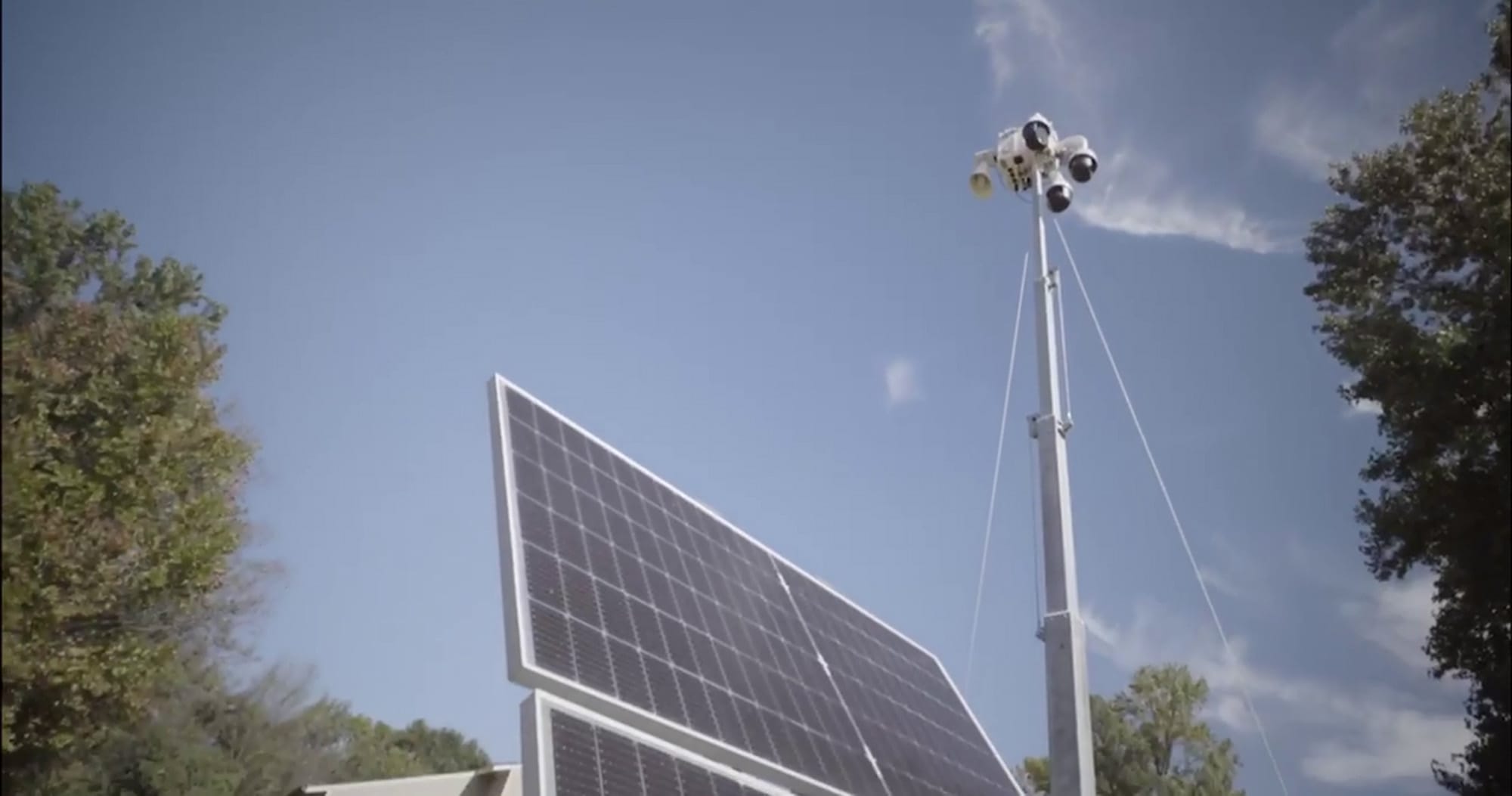
The board voted unanimously Thursday to revisit the use policy drafted for the city’s management of five mobile security towers. The Vallejo City Council approved purchasing the towers last July for $500,000. They use cameras provided by LiveView Technologies, a Utah-based video surveillance company.
The first draft of the policy presented Thursday, which three board members are crafting in an ad hoc subcommittee, includes information on the storage of data from the towers’ cameras. It says that LiveView employees may access live monitoring and historical video footage. It also states that the towers cannot be intentionally used to invade people’s privacy or to observe areas where people “have a reasonable expectation of privacy.”
The policy notes that the Vallejo Police Department will allow its staff to access footage gathered by the cameras “on a need-to-know, right-to-know basis,” as determined by the operations bureau captain.
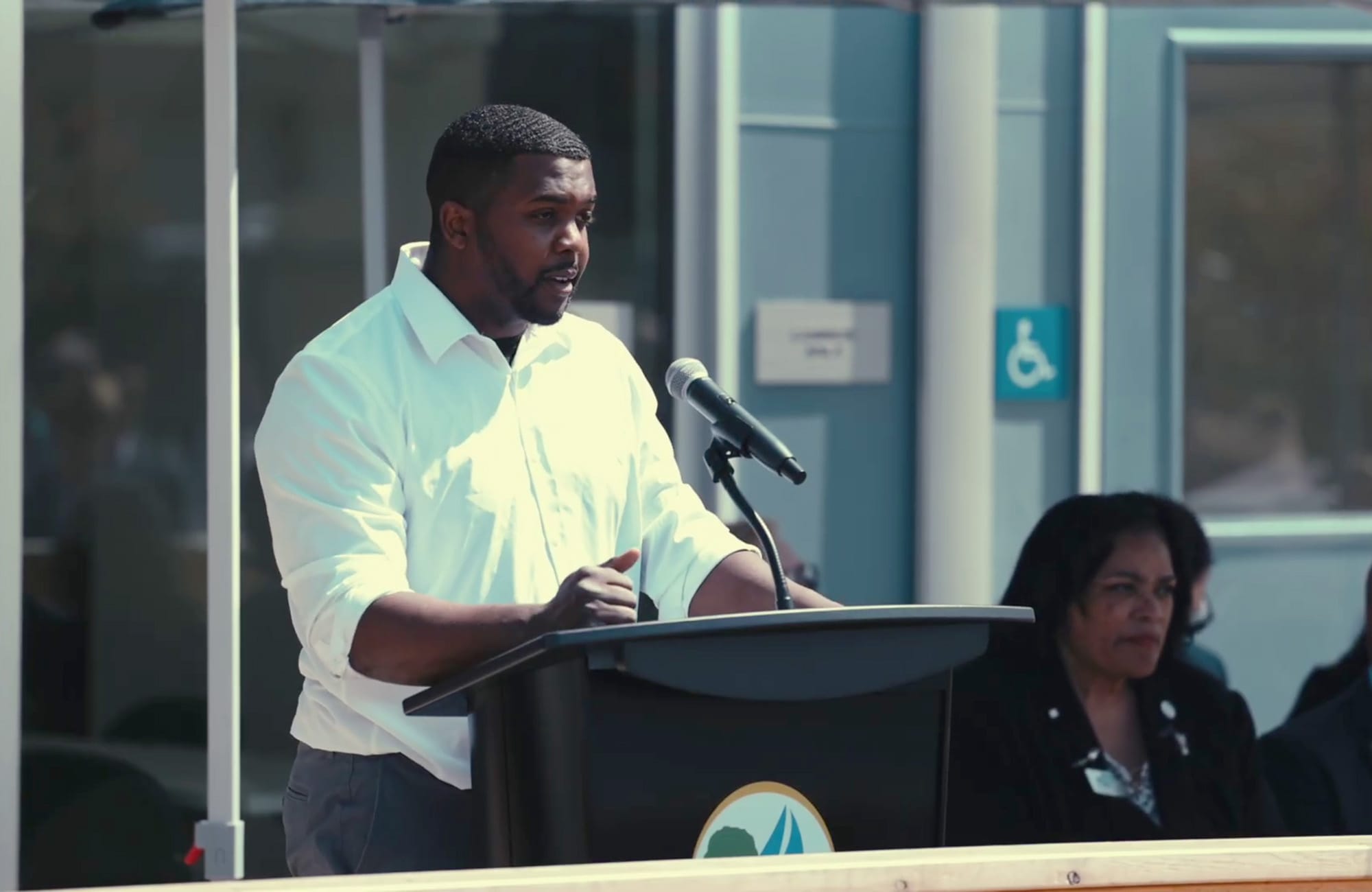
Capt. Jerome Bautista told the board Thursday that all data is stored for up to 30 days, after which it is deleted unless the department decides to purchase it for an investigation. The policy states that in these situations, “All downloaded media shall be stored in a secure manner and access shall be limited to authorized personnel.”
When board member Mike Moreno asked how citizens will be protected if any videos are shared on social media, Bautista said that the police department does not share videos on social media since prior approval from the chief is required.
Moreno asked if the department can blur out any images on surveillance footage containing the location of private homes. Bautista said this generally can’t be done unless videos must be released to the media.
However, Assistant City Attorney Randy Risner said while the process is cumbersome and expensive, it can be done.
“We have done it on certain videos that we’re required to release to the public, and we have indeed redacted lots of videos,” Risner said. He added that witnesses, bystanders and identifying items such as license plates are typically removed from footage.
Bautista said that the company can view the unedited footage and doesn’t receive the copies when the city takes footage and edits it for any reason.
Board member Alejandro Bras asked about the AI and facial recognition features on each mobile security tower. Bautista said those features “are not activated” but added the tower only recognizes people who repeatedly visit the same area and loiter for up to a minute. Loitering activity will trigger an alert and response from the company to manually check what is happening in the area, he said.
Risner said that the board could choose to revise the policy to prevent the Police Department from using any facial recognition technology in the future, but suggested including language to allow for situations when investigations require facial recognition. The ad hoc committee will handle that revision.
Some board members were concerned about properly preventing data sharing with other law enforcement agencies, particularly as federal agencies are pursuing aggressive immigration enforcement actions.
The draft use policy states that the Vallejo Police Department does not permit the sharing of data gathered by the city or its contractors “for purpose of federal immigration enforcement.” However, data may be shared with law enforcement partners for law enforcement purposes or with media outlets or on department social media with the approval of the chief of police, the policy notes.
Bautista said data sharing typically shouldn't happen with other law enforcement agencies and said he wasn’t aware of the department having gotten requests for data from other agencies.
Bras said he’s heard of situations where data shared between agencies spread beyond those officials. He asked if law enforcement agencies can be prevented from knowingly sharing data with agencies who might then share the information broadly.
Risner said it would be too difficult to know for sure and it is always a risk, although the state attorney general could take actions against an agency which does so without permission. He added that while there is no law preventing contractors from sharing sensitive information, a contractor that did would be committing a high-risk contract violation.
Before you go...
It’s expensive to produce the kind of high-quality journalism we do at the Vallejo Sun. And we rely on reader support so we can keep publishing.
If you enjoy our regular beat reporting, in-depth investigations, and deep-dive podcast episodes, chip in so we can keep doing this work and bringing you the journalism you rely on.
Click here to become a sustaining member of our newsroom.
THE VALLEJO SUN NEWSLETTER
Investigative reporting, regular updates, events and more

- policing
- government
- surveillance
- Vallejo
- Vallejo Surveillance Advisory Board
- LiveView
- Jerome Bautista
- Randy Risner
- Mike Moreno
- Alejandro Bras
Natalie Hanson
Natalie is an award-winning Bay Area-based journalist who reports on homelessness, education and criminal justice issues. She has written for Courthouse News, Richmondside, ChicoSol News, and more.
follow me :