
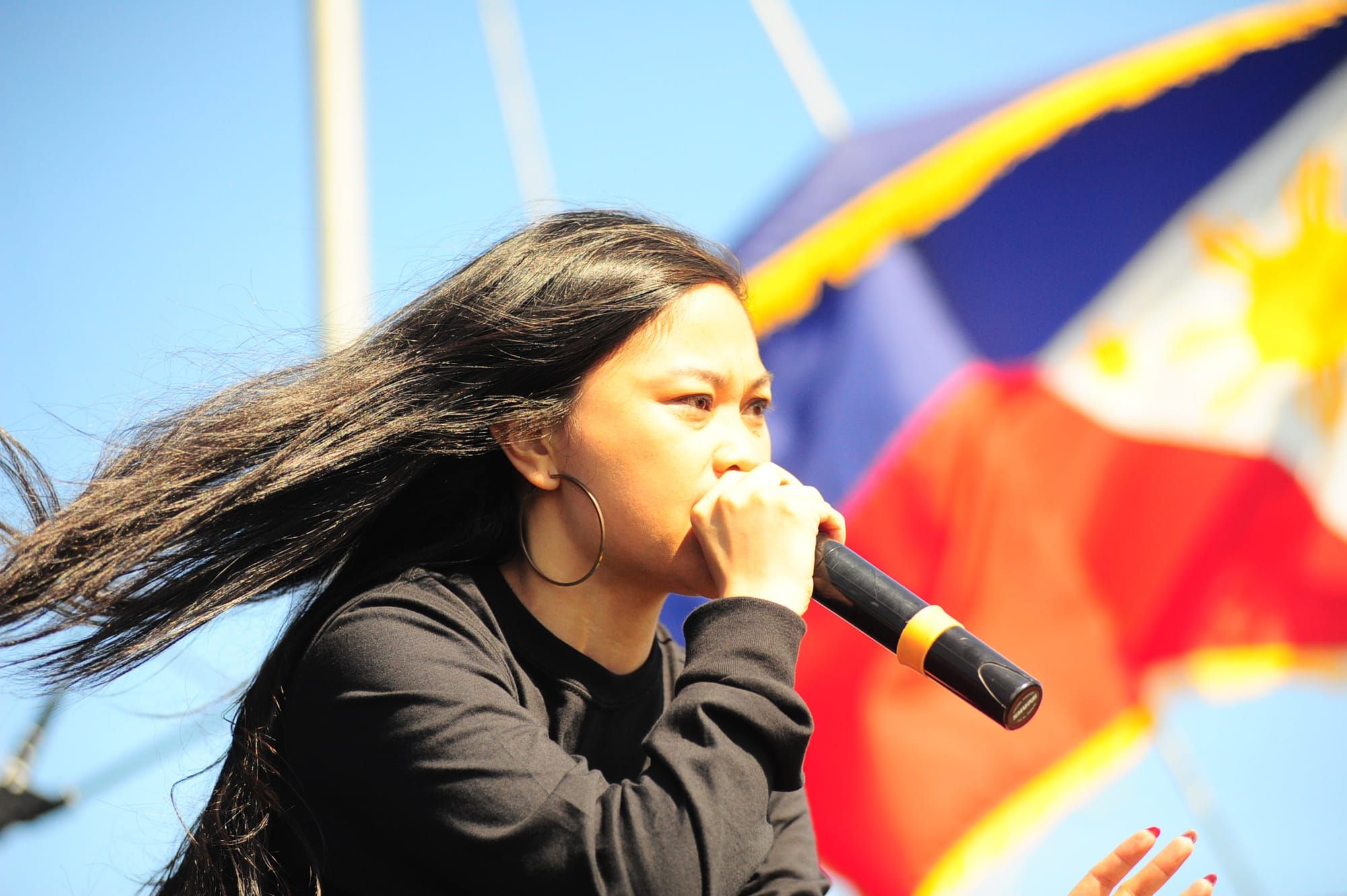
VALLEJO – The Bay Area’s first Filipino festival, Pista Sa Nayon, will return for its 40th anniversary this Saturday. Taking place at the Mare Island Coal Sheds in Vallejo, the event’s theme is “kwentuhan,” meaning “storytelling” in Tagalog. It will feature a parade, vendors, performances, and an interactive cultural pavilion where attendees can look at handwoven textiles and read stories of Filipino families who immigrated here.
The celebration is expected to bring in over 10,000 attendees, according to Annie Ramos, the president of the Filipino Community of Solano County, Inc., the non-profit that’s been holding the event since the 1980s.
The event has come a long way since its inception in 1986. Back then, it was a small gathering of Filipino families in Solano County who were invited to eat, sing, dance, and listen to historical talks, according to Mel Orpilla, a local historian and one of the festival’s original organizers.
According to Orpilla’s book “Filipinos in Vallejo,” Filipinos have been immigrating to Vallejo since the 1910s to work at the Mare Island Naval Shipyard — a steady-paying job compared to other grueling positions that Filipino American immigrants took, like working as agricultural laborers in Southern California.
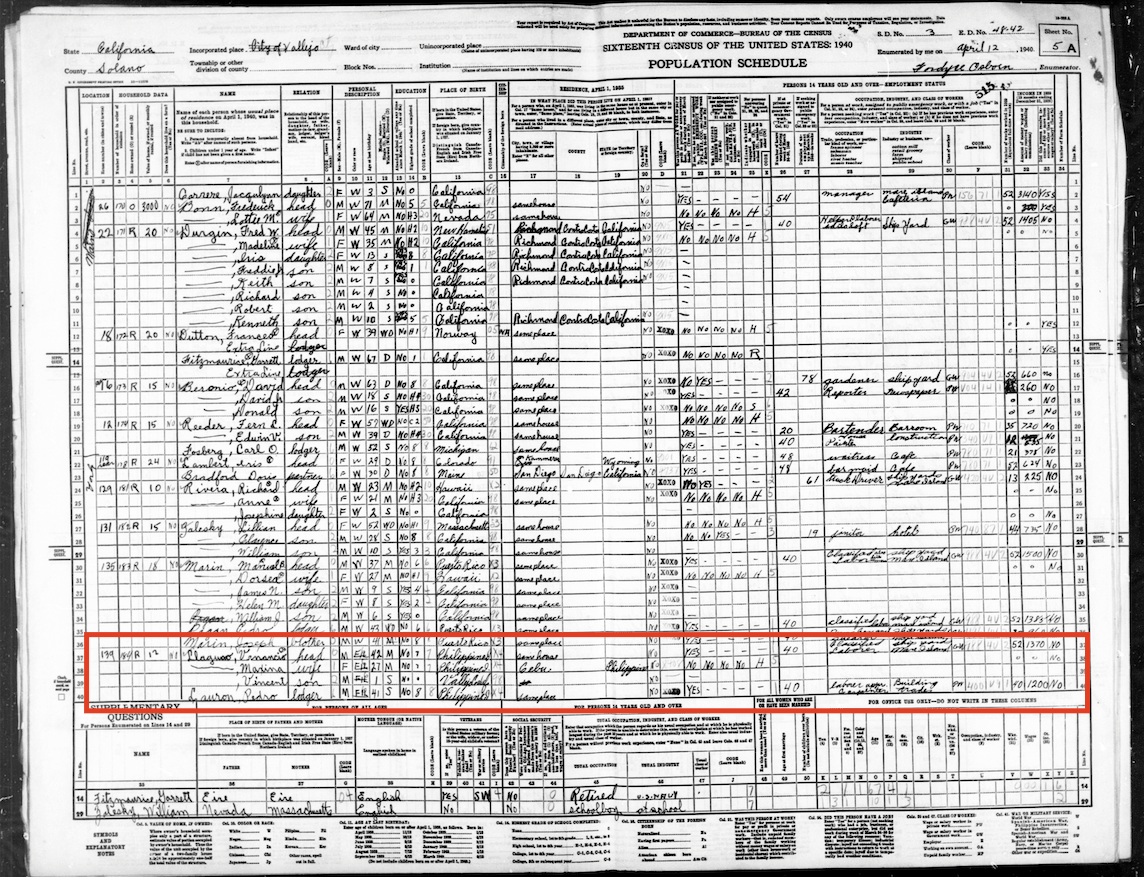
These Vallejo immigrants hailed from regions like Ilocos, Pangasinan, and Bohol, and they could speak and write fluent English because the U.S. took control of the country from Spain after the Spanish-American War in 1898.
Most of these early immigrants were men. They formed a small Manilatown on lower Georgia Street, lived at boarding houses together, and socialized at their own businesses.
In 1946, recognizing the need for a more established communal space, the Mare Island “manongs” — or old-timers — formed the Filipino Community of Solano County, Inc. and established the Filipino Community Center at 820 Sonoma Blvd. in South Vallejo.
Their goal was to provide mutual support and preserve their culture. In 1950, Vallejo was still predominantly white, according to Bay Area census data. Asians accounted for less than 1% of the population, and “Filipino” was not even listed as its own ethnic category.
But that changed in the 1960s when the U.S. abolished discriminatory immigration quotas. As more Filipinos moved to Vallejo, dozens of Filipino cultural groups sprung up, organized by province, dialect, religious identity, political affiliation, or even by which university someone went to.
By the 1980s, Filipinos were 10% of the population of Vallejo, the third largest ethnic group.
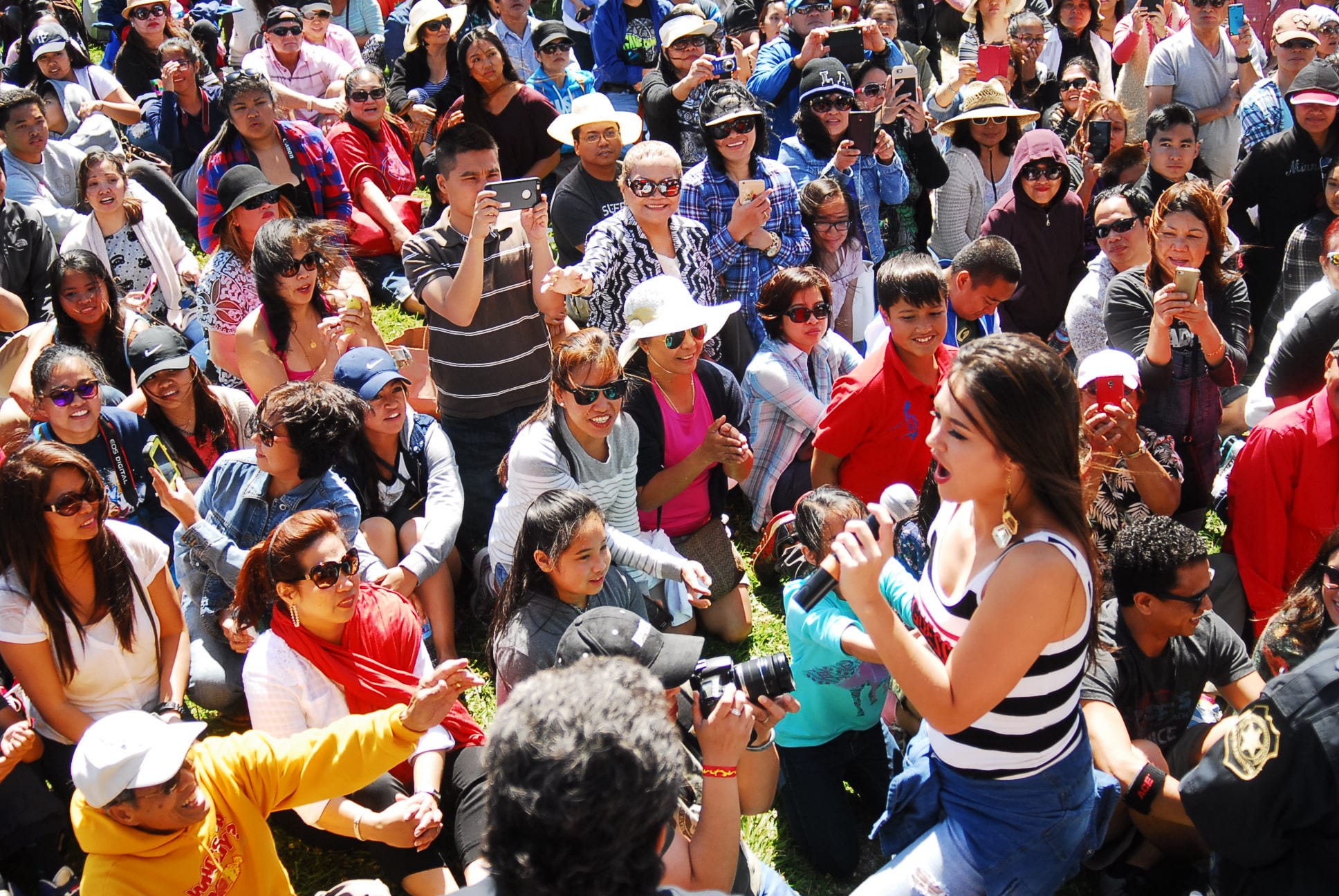
That’s when they held the first event that would later become Pista Sa Nayon. Filipino Community of Solano County President Fred Pono decided in 1986 to commemorate June 12, 1898, the day when the Philippines gained its independence from Spain, which colonized the country for 333 years.
The organization often held various celebrations and educational programs for its members, so it made sense to Pono to acknowledge a significant moment in the country’s history, according to Orpilla. “As the largest umbrella Filipino organization in Solano County, Fred felt it was the duty of the organization to celebrate and recognize the day,” he said.
The event was organized by the nonprofit’s Philippine Cultural Committee. They called it Independence Day, and held it at 820 Sonoma Blvd.
It continued at the community center for the next few years, with attendance steadily growing. Each year, a different affinity group would take the lead on planning, and everyone would pitch in money for food and performances.
There was some backlash to the event. Orpilla, who used to write for the Vallejo Times-Herald, said that some residents wrote letters to the editor accusing Filipino Americans of wanting independence from America and telling them to go back to their country.
“It was just silly,” Orpilla said. “We were just celebrating the independence of the Philippines after 300 years of colonial rule.”
Around 1991, Eloise Scott, one of the group’s members, suggested holding it on the lawn behind City Hall and John F. Kennedy library to accommodate more people.
Orpilla agreed with the idea, seeing it as a way for the organization to gain more visibility and also share their culture with Vallejo residents. At the time, he had just founded the Vallejo chapter of the Filipino American National History Society, and he had a trove of historical photos that would later become the basis of his book.
For the first event on the lawn, Orpilla, along with his girlfriend Belle, set up a photo exhibit at JFK Library showing images of the Mare Island manongs and their families. He also held a presentation in the library’s Joseph Room. Outside, people socialized on the lawn with food and music.
The event stayed behind City Hall throughout the 1990s. The program grew every year, with the committee bringing in poets, martial artists, and youth theater performers. They set up clothing and artifact displays, and began holding a parade from the Vallejo Naval & Historical Museum to the library.
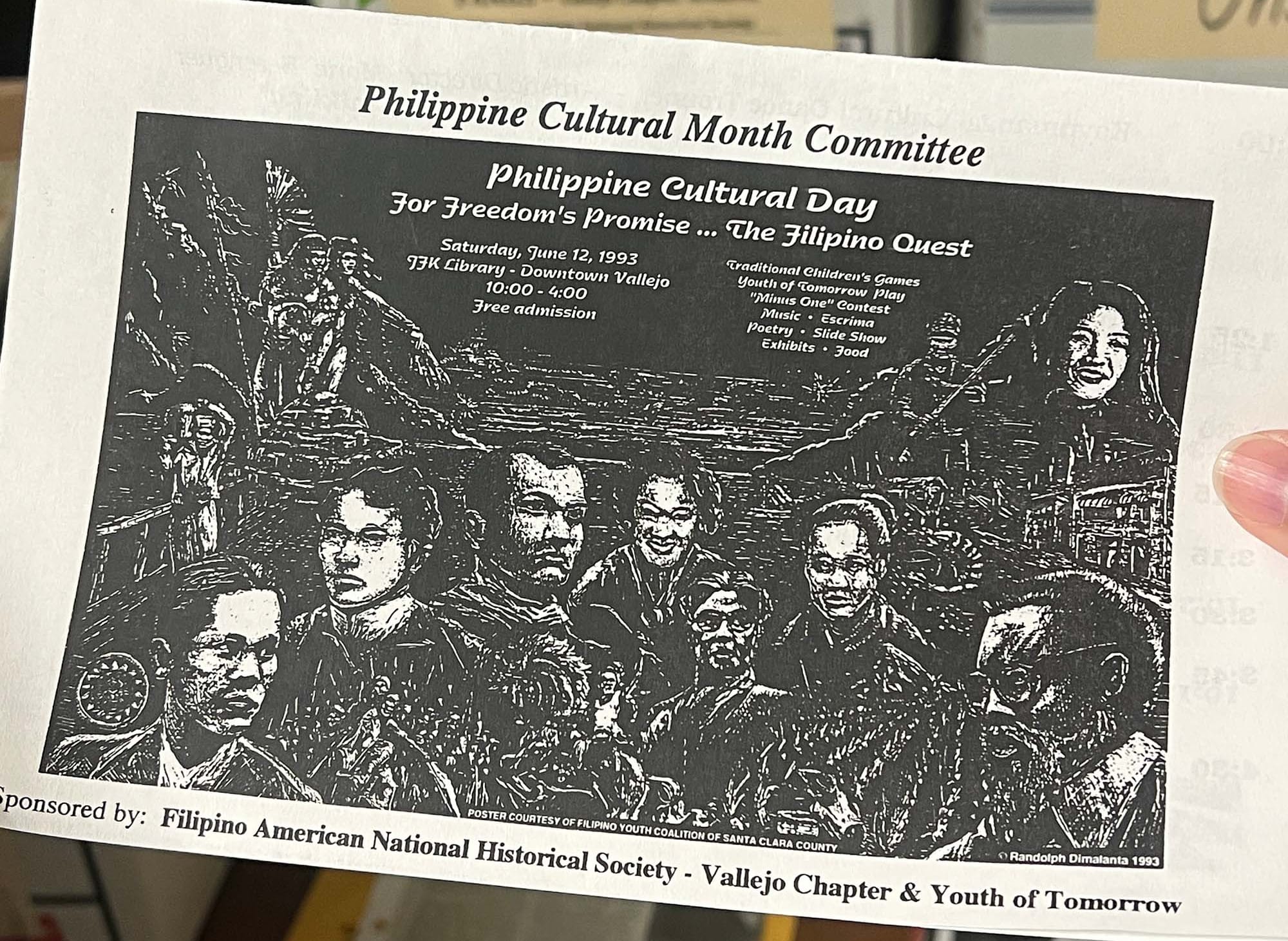
At that point, the focus had shifted from being just about Independence Day to showcasing Filipino and Filipino American culture as a whole, and the name of the event was updated to reflect that. It’s unclear exactly when this shift first occurred, but a flyer from the 1993 festival shows it was called Philippine Cultural Day.
The event became a large-scale public festival in the early 2000s, when the committee decided to move it to the Vallejo waterfront and make it a city-wide celebration. Orpilla and his wife Belle also became festival directors.
“We wanted to change the whole way of marketing it because we knew the Filipino community was always going to show up regardless, and we wanted to share our culture with the broader community,” Orpilla said.
They began calling the celebration Pista Sa Nayon, which means “village festival” in Tagalog. The committee connected with Vallejo’s tourism board and City Council, and reached out to major sponsors like The Filipino Channel, Seafood City, Kaiser Permanente, and KTSF 26. Orpilla said the late businessman and writer Greg Macabenta was instrumental in connecting them to media outlets, as Macabenta was briefly the owner of a magazine called Filipinas and wrote columns for various newspapers.
They also reached out to a wider range of Filipino performers, both stateside and in the Philippines.
“We started being very intentional about bringing in acts that weren’t just traditional cultural acts, but also jazz groups, rock bands, and R&B and hip-hop performers to show that Filipino talent crosses cultural boundaries,” said Orpilla.
One of the earliest performers at the waterfront celebration was 10-year-old Gabi Wilson, now known as the five-time Grammy Award-winning R&B artist H.E.R.
“I still have the contract where I paid her $300,” Orpilla said.
Other 2000s performers included comedian Rex Navarette, international singer Gloria Papin, folk and blues singer Charmaine Clamor, and San Francisco girl group Immij. They also brought in around 90 vendors.
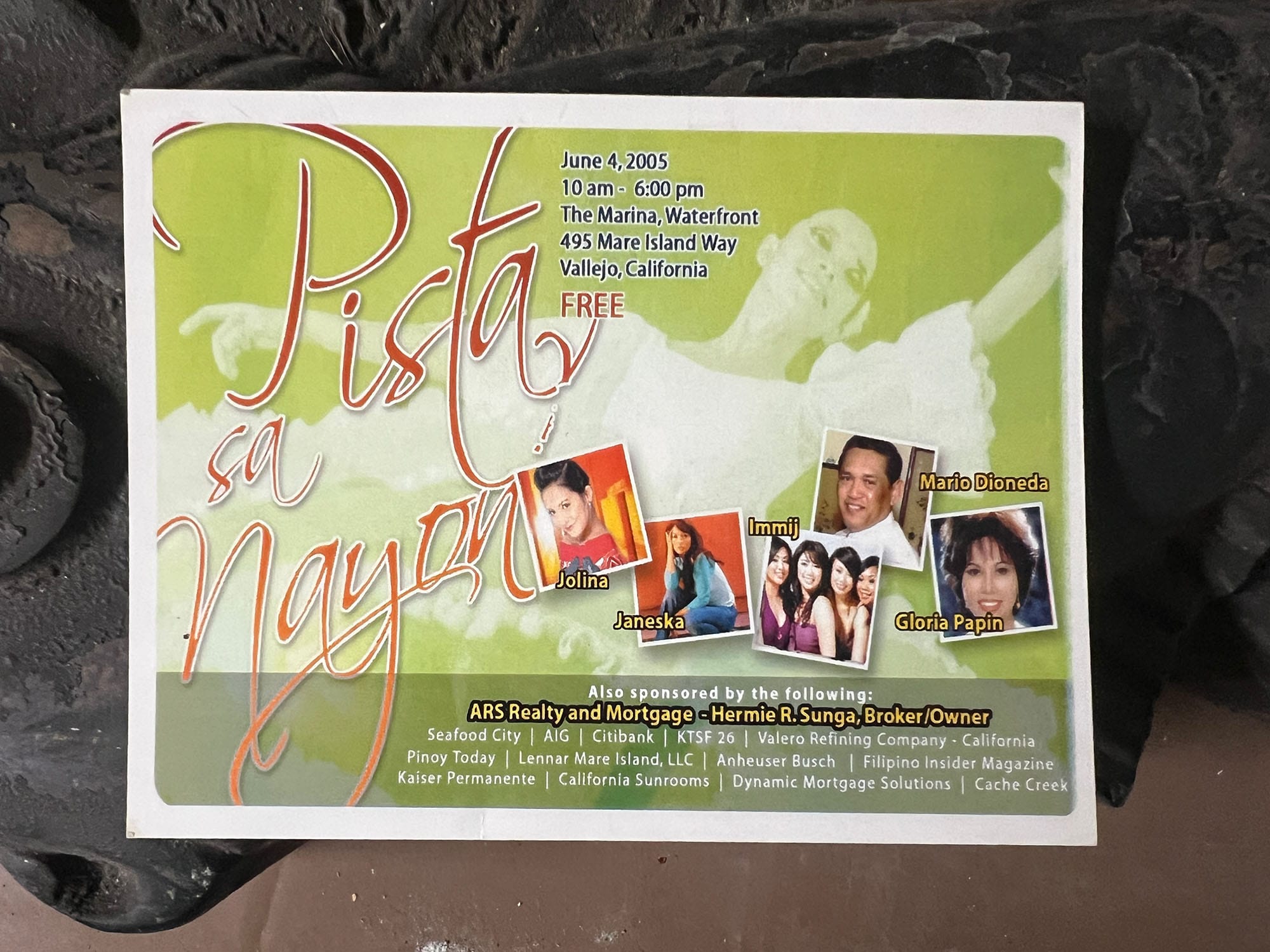
While the early Independence Day events brought in a few hundred people, attendance at the waterfront Pista Sa Nayon was in the thousands, with the late 2010s bringing in anywhere from 15,000 to 20,000 people, estimated Cris Villaneuva, the nonprofit’s finance advisor.
“We really upped the entertainment, hired a production company, and had all these vendors,” said Orpilla. “It looked like a really professionally done festival.”
But the COVID-19 pandemic put a halt to that. Festivities in 2020 were canceled, and in 2021 they returned to the Filipino Community Center — now at 611 Amador St. — and streamed performances by the Filipino folk dance group Parangal Dance Company and Vallejo 1990s R&B girl group OneVo1ce.
Jennie Mojica took over as chair and event producer in 2022. Instead of holding one big waterfront celebration again, they held a series of small cultural pop-ups around town during the month of June, culminating in a small festival on Mare Island that featured some vendors, music, and a martial arts tournament.
Orpilla said that the venue shift came about because the Mare Island Company contacted him in 2022 about holding a Filipino cultural celebration in June again. They first offered $5,000, and then $10,000, to put on the event — a much smaller amount compared to their budget when they were at the waterfront, but the money allowed them to restart the tradition again.
The new location is fitting, according to Orpilla: some of the naval ships that defeated Spain during the Battle of Manila Bay in 1898 departed from Mare Island and picked up troops in San Francisco before sailing to the Philippines.
“Vallejo can claim this tangible connection to the Filipino declaration of independence,” said Orpilla. “Mare Island is definitely the place to hold Pista Sa Nayon.”
Since 2022, Mojica and the committee have reached back out to old and new sponsors and vendors, and they continue to grow the event at the Coal Sheds, incorporating new themes and creative ways for younger generations to connect to their heritage.
“The young adults have really made it their own, and made it more elaborate,” said Ramos. “Pista Sa Nayon isn’t just about our past. It’s also about preserving our culture, and having it picked up from generation to generation … it ensures that our culture will not be lost.”
Pista Sa Nayon is a free event and will take place on Saturday, June 6 from 10 a.m. to 6 p.m. at the Mare Island Coal Sheds.
Editor's note: This story has been updated to correct that Pista Sa Nayon is the first but not the biggest Filipino festival in the Bay Area and to correct the date in the first photo.
Independent local news depends on you
The Vallejo Sun is supported by readers who value reliable, in-depth local news. Your support helps us continue investigating important issues and keeping Vallejo informed.
Become a member today