
VALLEJO – The Scotts Valley Band of Pomo Indians entered a temporary agreement with the city of Vallejo for some services in building a temporary casino this week, despite controversy over the planned development.
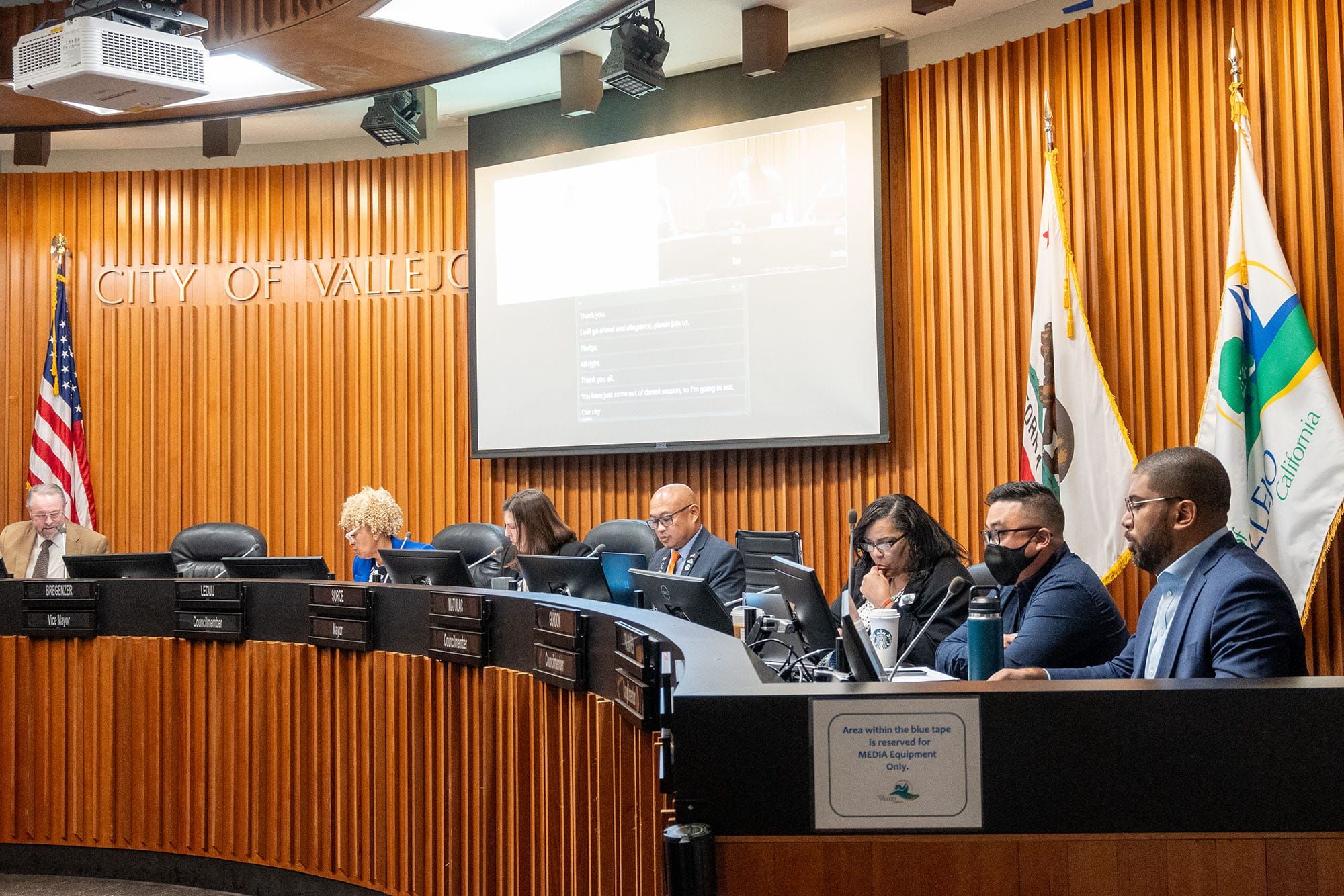
The Vallejo City Council voted 4-2 Tuesday to provide temporary police, fire and water services and process the tribe’s application for an encroachment permit. Mayor Andrea Sorce was absent and Councilmembers Alex Matias and Tonia Lediju opposed the measure.
The council added a condition that the tribe discuss community benefit contributions, such as a requirement of 15% local hires and financially contributing to the city’s upcoming operation to remove encampments and debris from the White Slough area.
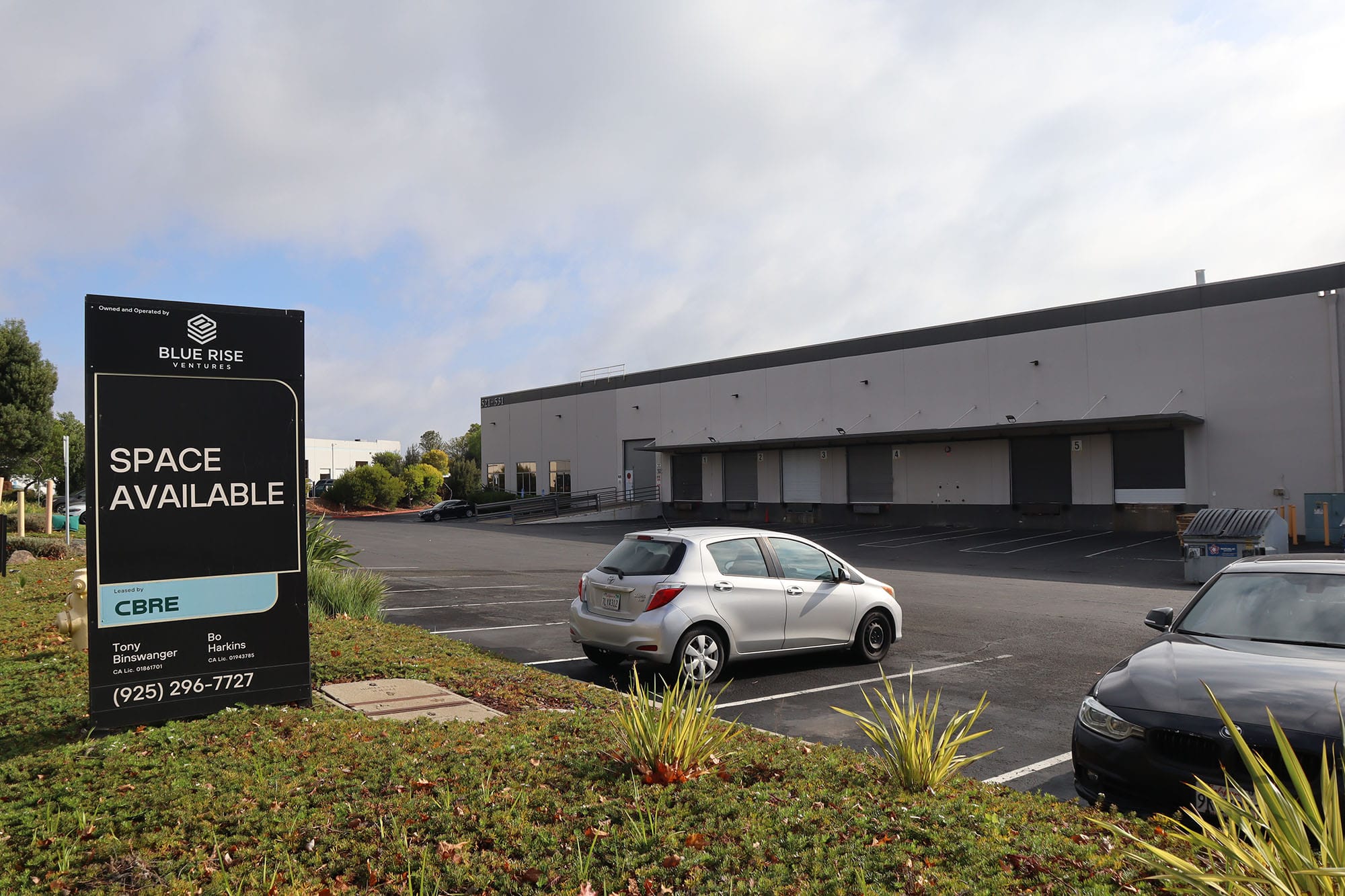
The 160-acre site is at the northeast intersection of Highway 80 and Route 37, where the tribe has proposed building an eight-story casino along with homes and a tribal administration building. However, pending a federal decision regarding gaming on the site, the tribe has so far begun construction on temporary buildings for a “preview casino” to be open daily from 10 a.m. to 6 p.m.
The temporary agreement garnered more pushback Tuesday night from critics who still oppose the move to build a casino on the site, especially given that other tribes have filed litigation contesting the tribe’s ability to host gambling at the site.
The tribe says its development plan will bring much-needed economic opportunity to the city. It also said in a preliminary report presented Tuesday night that the temporary casino would have minimal impacts on the environment and public safety. The tribe compared the interim operation to Napa Valley Casino in American Canyon, a “2,400-square-foot card room,”although Scotts Valley’s temporary development will be larger at approximately 5,400 square feet.
But the future of the much larger $700 million casino and resort project is in question as the federal government rescinded its initial approval last year.
The tribe has been trying to build a casino at the site since 2016, when it submitted a request to the U.S. Department of the Interior Bureau of Indian Affairs to have the Vallejo site declared their native homeland. Objections have been levied against the proposed project from other tribes and from city and county representatives.
Last year, Patwin tribes the Yocha Dehe Wintun Nation and the Kletsel Dehe Nation of the Cortina Rancheria filed a federal lawsuit to block the development. The Patwin tribes argue that the Bureau of Indian Affairs improperly approved the transfer of land to the Scotts Valley tribe and that the proposed casino will be built near the sites of multiple Patwin villages in the heart of their ancestral homeland.
City staff told the council on Tuesday that the temporary agreement has been underway since 2024, when the Bureau of Indian Affairs prepared an environmental assessment to analyze the potential environmental consequences of the proposed project. The Scotts Valley tribe has worked with the city to discuss the development’s potential impacts, and entered into a cooperative agreement with Vallejo in November 2024 that formalized their commitment to discussing and negotiating the casino and housing project.
Vice Mayor Diosdado Matulac said there is room for more negotiation at this stage to explore all of the community benefits the agreement could offer. But he said he thinks the city needs to grab economic development opportunities like this one.
“I think there is a strong economic opportunity here,” Matulac said. “And I think there’s still more on the bone here that is available. Until we take this leap of faith that is the opportunity there, I don't see what else we have down the pipeline that's going to get us somewhere moving forward.”
The issue drew numerous people to public comment, with about 25 in person and five participating virtually.
Scotts Valley tribe vice chair Jesse Gonzalez said the temporary agreement comes after many years of forced removal and mistreatment. He highlighted the potential for economic opportunity for tribal members and the whole community. “There is a real opportunity to build better lives,” he said. “We are grateful for how many in this community have been supporting us to create local jobs.”
Speaker Kayla Gomez was among multiple carpenters identifying themselves as local union members who also supported the proposed development. She said that despite some pushback, the development will create jobs and local growth.
“Not many people enjoy change but it's necessary to grow,” Gomez said. “This is the change that will bring numerous benefits to the city of Vallejo.”
However, other speakers asked to postpone the vote until the ongoing litigation is addressed. Anthony Roberts, tribal chairman of the Yocha Dehe Wintun Nation, said that city staff released many documents ahead of the meeting with just a few days for review, and omitted others, which has not helped public trust in the process.
“Of course we’ve come to expect this from certain parties,” Roberts said. “Why move forward in this way? Why not allow for proper discussion, analysis and public input? Because they’re trying to rush this project through before the federal government can complete its review of whether this land is even eligible for gaming. The review that’s happening is because the federal government admitted that its original decision may have been a legal error.”
Matias said the process toward an agreement has focused on politicians’ investment over robust community input, and said it does not currently bring the benefits to the city that it could.
Lediju also criticized the process, saying the tribe’s changes to the original proposal affected the public’s trust. She suggested “going back to the drawing board” to revise the agreement, since it is “based on limited data.”
Lediju added that while the tribe can move forward as a sovereign nation without the city’s agreement or more community engagement, it would not be wise to do so.
“If you want me to engage in an [memorandum of understanding], then there has to be honesty in the process,” Lediju said. “This is not about your sovereignty. This is not about what the federal government is going to do, because I cannot control that.”
With the agreement approved, next steps include temporary construction of the preview casino. Scotts Valley tribe chairman Shawn Davis, in a letter to the council shared by staff, said the agreement does not commit the city to any actions or increase the probability that development will occur as it does not formally approve construction on the property.
“Rather, the MOU provides that, if the Interim Development proceeds, the city would make police and fire services available consistent with its standard protocols for providing such services within City limits,” Davis said. He added that the tribe may apply for permits from the Vallejo Water Department for a temporary water connection and from the Public Works Department for any work within Columbus Parkway, which is a city-owned right-of-way adjacent to the trust land. If this happens, the tribe will pay the city for services provided, he said.
Independent local news depends on you
The Vallejo Sun is supported by readers who value reliable, in-depth local news. Your support helps us continue investigating important issues and keeping Vallejo informed.
Become a member today- government
- business
- Vallejo
- Vallejo City Council
- Vallejo City Hall
- Scotts Valley Band of Pomo Indians
- Alex Matias
- Tonia Lediju
- Yocha Dehe Wintun Nation
- U.S. Department of the Interior
- Diosdado “J.R.” Matulac
- Jesse Gonzalez
- Shawn Davis

Natalie Hanson
Natalie is an award-winning Bay Area-based journalist who reports on homelessness, education and criminal justice issues. She has written for Courthouse News, Richmondside, ChicoSol News, and more.
follow me :