
Editor’s note: This story includes mentions of suicide. If you or someone you know needs help, the national suicide and crisis lifeline in the U.S. is available by calling or texting 988. There is also an online chat at 988lifeline.org.
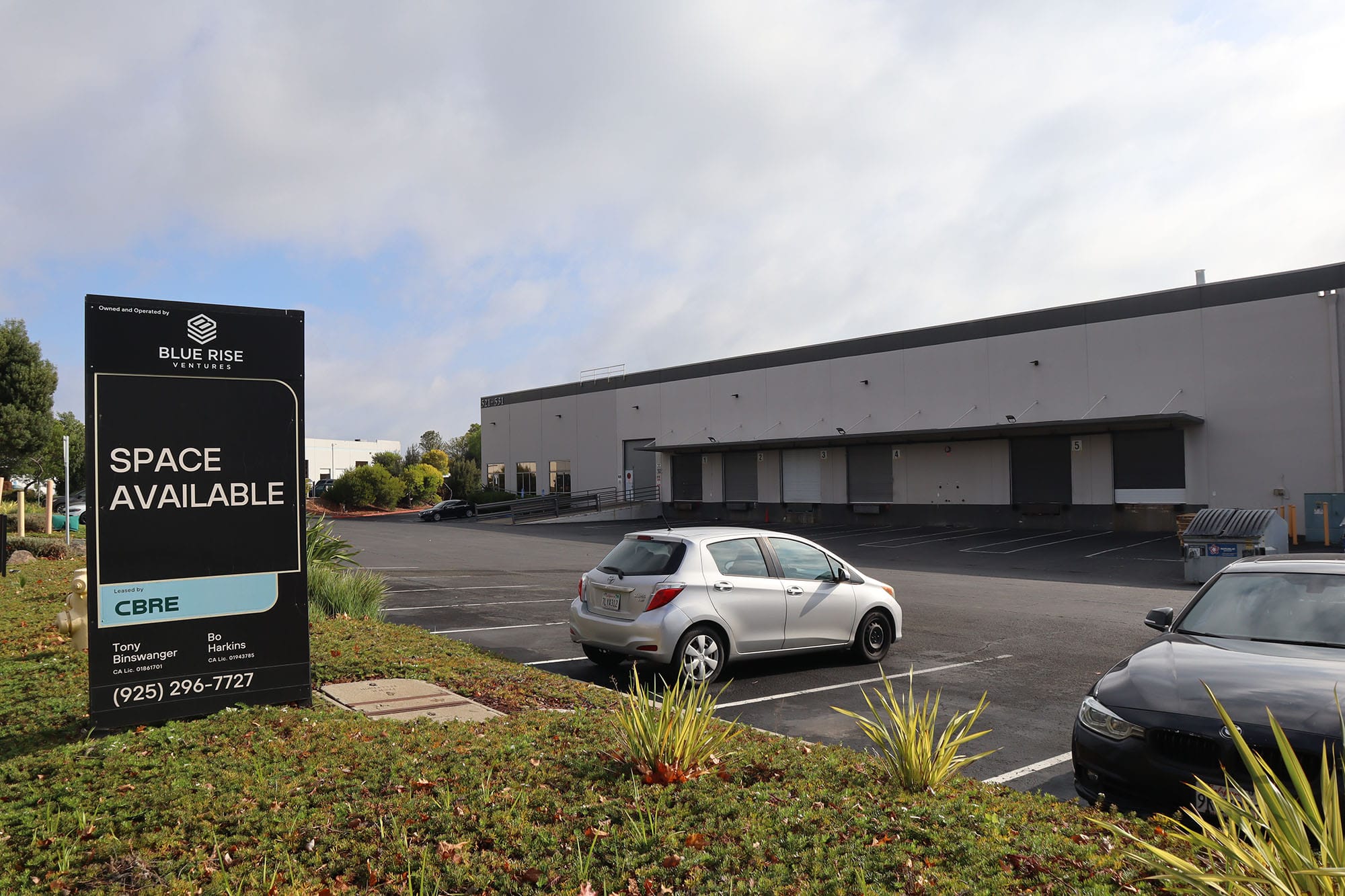
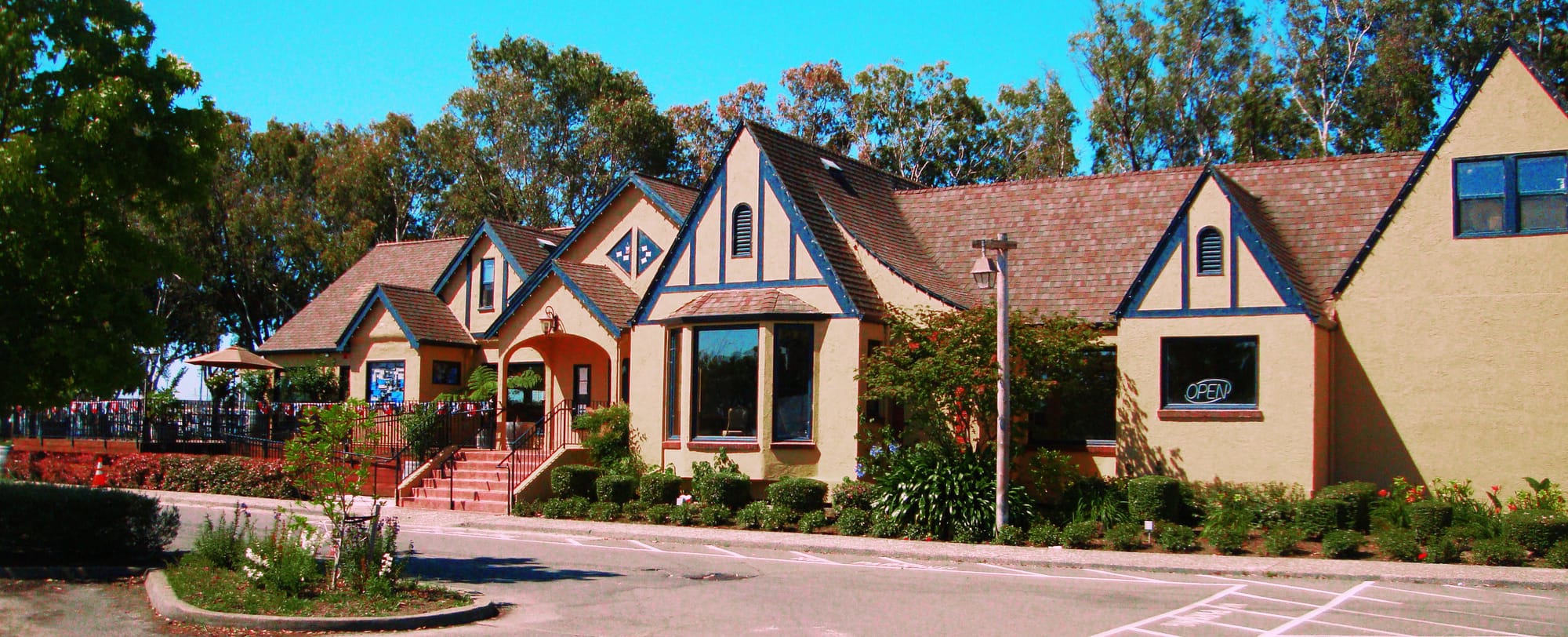
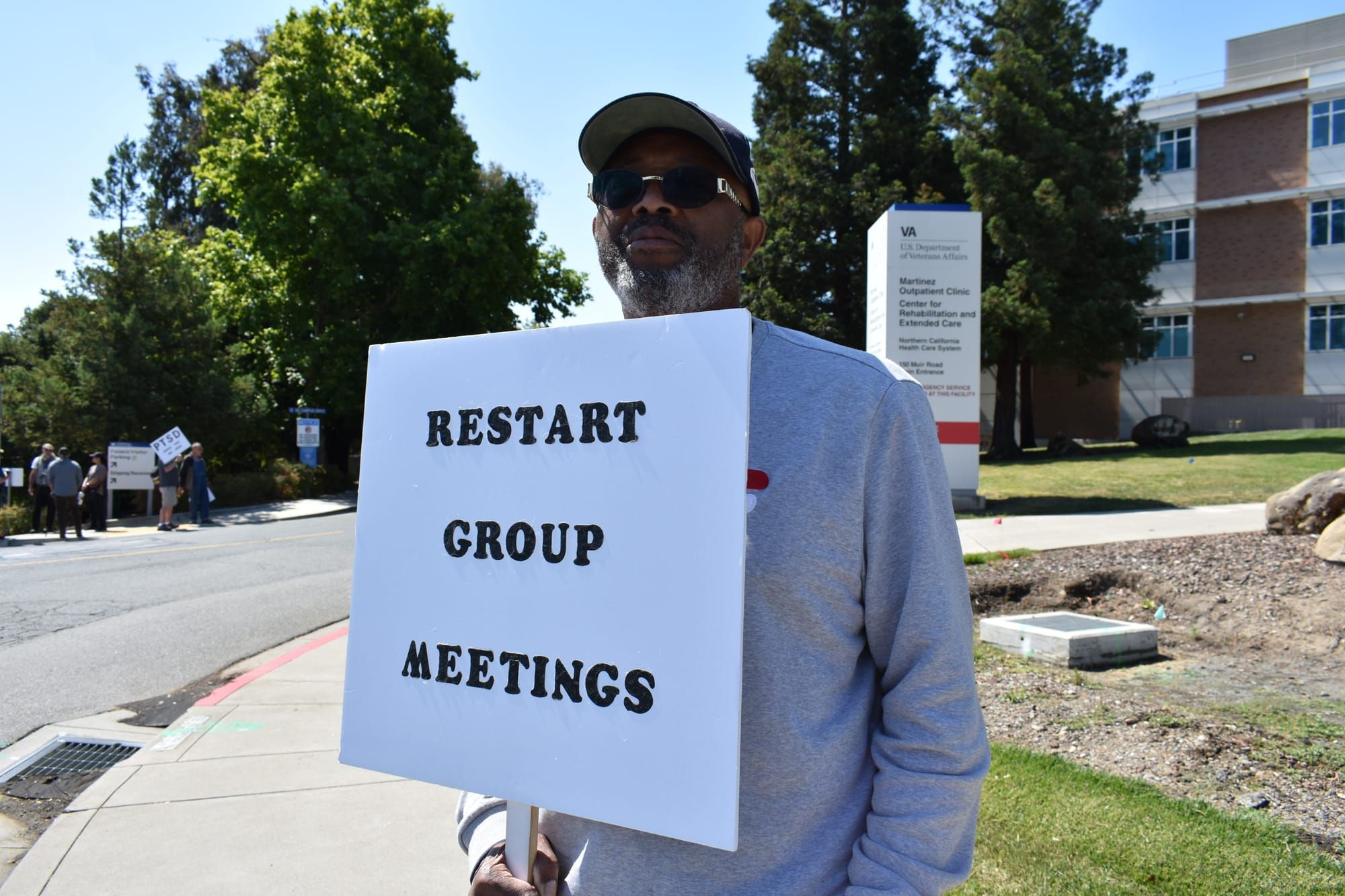
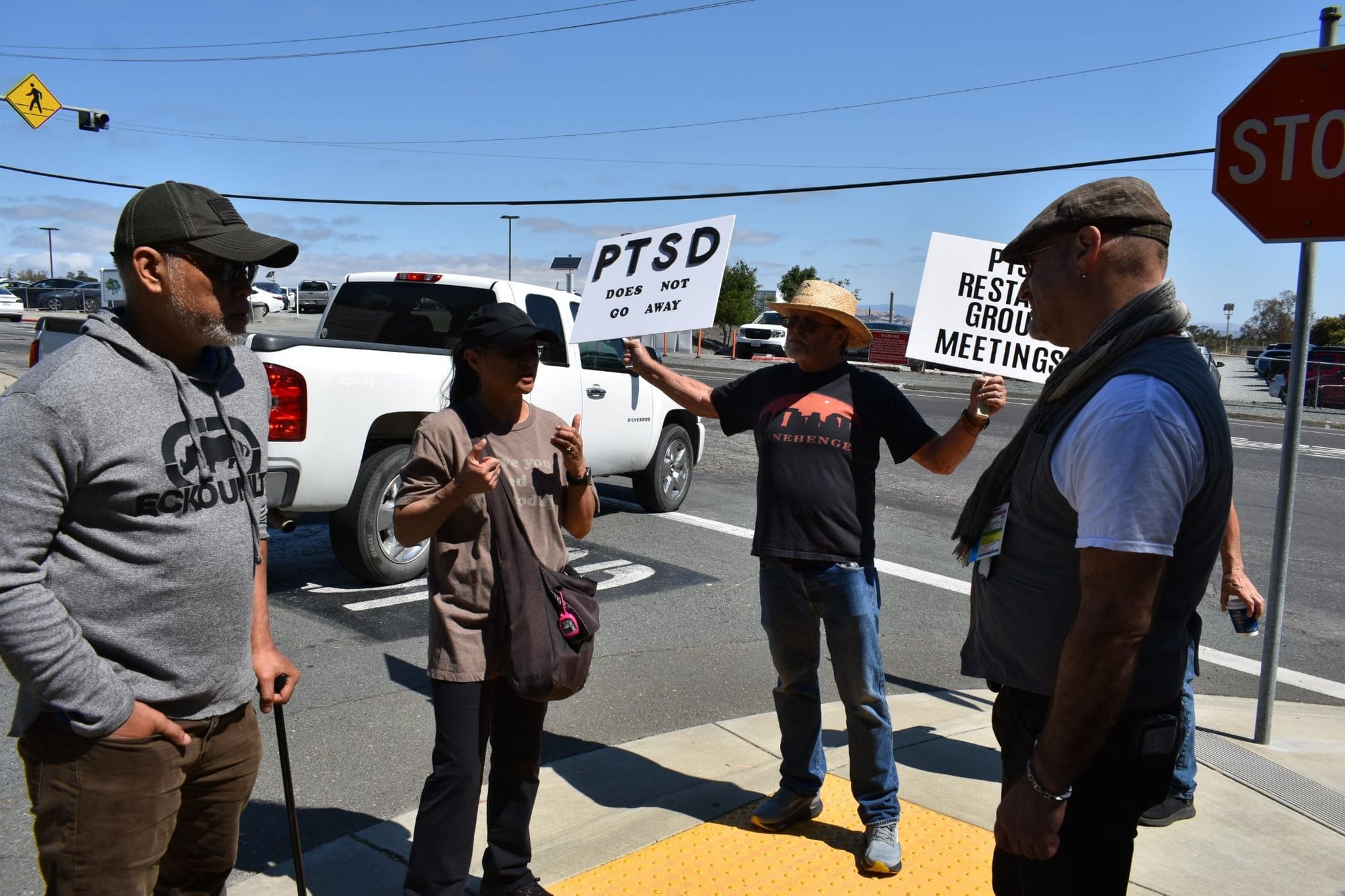
VALLEJO – For nearly a year, a group of veterans has been protesting the disbandment of their weekly long-term therapy groups at the U.S. Department of Veterans Affairs clinics at Mare Island and Fairfield.
First established in 2011 in Mare Island and later in Fairfield, the groups were for veterans with post-traumatic stress disorder — a complex, chronic mental health condition common among veterans that develops as a result of constant hyper-vigilance and an exposure to violence and death. But last year the groups ended abruptly, with little explanation.
A dozen veterans told the Vallejo Sun that the therapy groups were a lifeline. “When the PTSD kicks in, my head feels like it’s about to explode with pain, and I feel jittery without any reason,” said Noel Figueroa, a U.S. Air Force veteran who served in Iraq. “In the group, the PTSD was still there, but at least we could talk to each other.”
The cuts are part of a long-term shift at the VA, moving from models that include open-ended group therapy to models that emphasize specific intervention, including short-term “bursts” of 10-12 sessions of individual therapy, forcing veterans to reapply for therapy and start over with a new provider if they want to continue treatment.
The Sun obtained email conversations among staff at the Mare Island and Fairfield VA clinics where they described an atmosphere of dysfunction and frustration as they struggle to provide adequate care to veterans despite “bare bones” staffing and a hyperfocus on efficiency and measurable results.
One staffer said they were experiencing “exhaustion” as a result of trying to adhere to the new models. Another staffer called the situation at the VA “a shitshow,” and said that the “clinic will be at an even greater disadvantage” with the departure of Dr. Jerry Boriskin, the psychologist who had been running the Mare Island and Fairfield sessions.
Boriskin had decades of experience in treating trauma, having worked as a psychologist since the 1980s and as a senior staff psychologist at the VA since 2009.
Boriskin ran a total of four groups. Two groups — one on Mare Island and one in Fairfield — were for older veterans who served in Vietnam. Boriskin then made a group for younger veterans who served in places like Iraq and Afghanistan. The fourth group was created in 2020 for first responders — veterans who experienced additional trauma during the COVID-19 pandemic as a result of working as nurses, firefighters, and EMTs.
Barriers were kept low to encourage participation: there was no cap on the number of people allowed to attend each session, and they could drop-in whenever life got hard. During the pandemic, they went virtual, and Boriskin would constantly send reminders of the groups’ availability.
There would be anywhere from 10 to 25 people per session, with Boriskin treating an average of 70 veterans a week across the four groups. It was a space to discuss not only wartime trauma, but how to deal with issues like divorce, the deaths of loved ones, alcoholism, substance use disorder, and job loss. Boriskin assigned each veteran to specific sessions based on their age and deployment history, sometimes adding certain people to more groups if he felt they needed more support.
It was a space free of judgement, where veterans could talk in a shorthand about what they went through and saw, either on the battlefield or on the hospital floor.
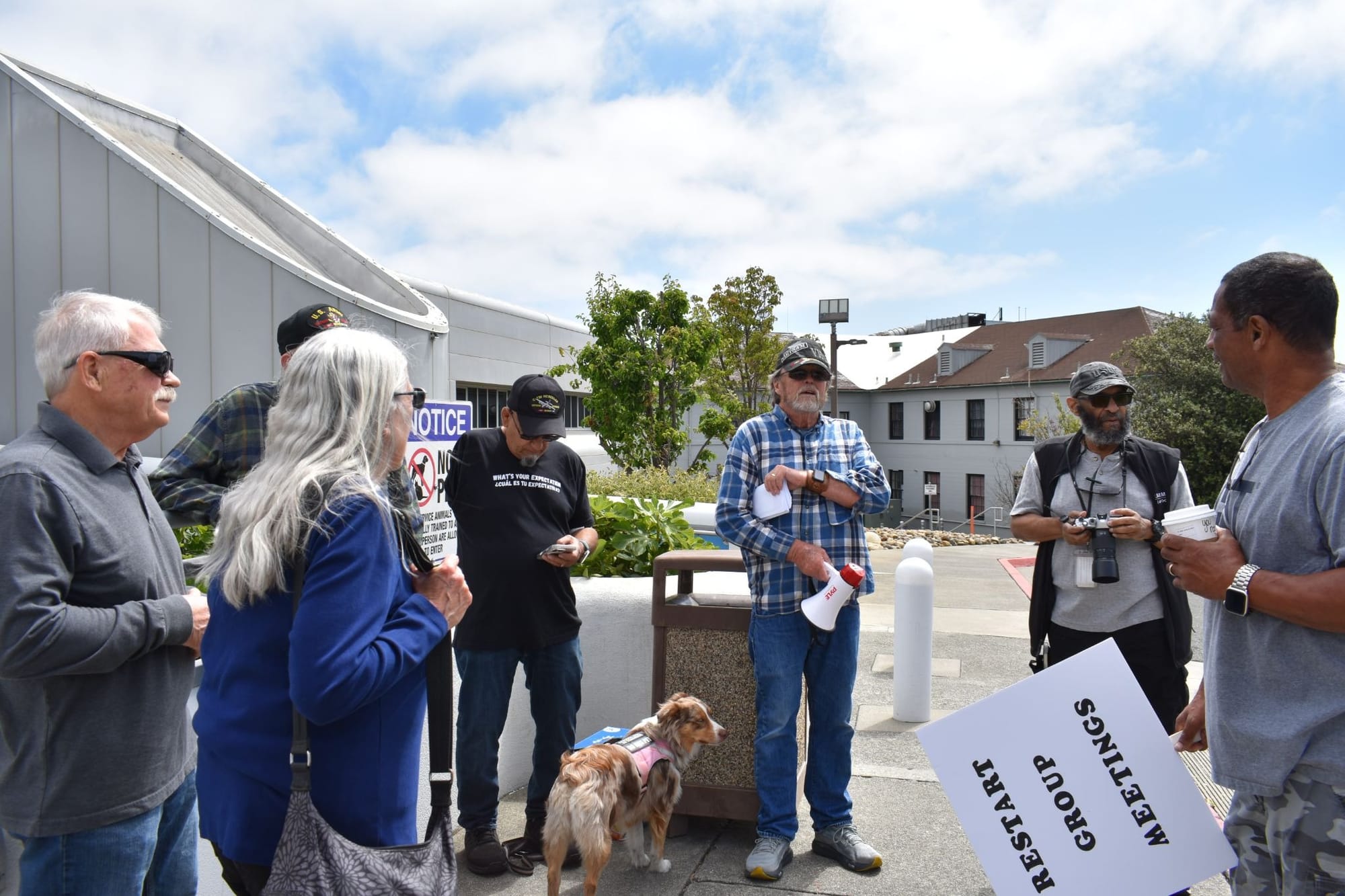
Veterans who attended said Boriskin’s approach to treatment was eclectic, emphasizing that there’s no one-size-fits-all approach to treating PTSD. They’d begin each session by following up with issues brought up in past meetings, and then open the floor for anyone to talk about the difficulties they were facing that week, or any life events or wisdom they wanted to share. Other veterans would chime in with their own stories or advice.
Participants were encouraged to ask themselves how they could find balance in their own lives. For some veterans, this meant getting a service dog or volunteering, while others became sober or picked up painting. The purpose of the group was that it was ongoing and open-ended, tailored to address a long-lasting condition.
“People who were typically isolated would come out to get social interaction,” said Thomas Travers, who’s attended group therapy for over 17 years after serving as a medic in Vietnam and credits the group with helping him come out of his shell. “The group concentrated on how to cope with the situations we were in, and that helped quite a bit.”
But then one day in November, the groups were gone.
“It was so sudden,” said Travers. “They didn’t really announce it, it just happened.”
Charles Morse, a retired Army master sergeant and a member of U.S. Rep. Mike Thompson’s Veterans Advisory Counsel, said the group cuts have left around 300 veterans struggling without the support system they’d become accustomed to.
Now many of the members are dealing with feelings of abandonment, anger, depression, insomnia, and suicide ideation. Some of them reported alcohol relapses, while others said that their mood swings are affecting their marriages and their relationships with their children.
“As soon as the groups disbanded, everyone’s life started to fall apart,” said Monika Cuthill, a Corporal who was in the Marine Corps and the Army, served in Iraq and had been with the group since 2013. “I don’t feel supported. I feel abandoned.”
“The groups had a proven track record,” said Travers. “So I don’t understand why we’ve been left out of something that was working for us.”
According to a statement from the Northern California VA Health Care System, new in-person support groups were launched in Fairfield and Martinez in the summer, led by different staff members.
But the veterans say it took months for these new groups to be offered, and the damage has already been done.
They said at least two members have died since the group ended. Travers said that Boriskin used to tell them when a member passed so they could attend the funerals. He said that now, they learn of the deaths long after they’ve happened, leaving each member to grieve alone.
“The way this has been handled from the very beginning has destroyed my faith in the VA,” said Travers, adding that many of their former members have fallen off the map.
“They’ve dispersed, and that’s on the VA,” said Travers. “There was no continuity at all in the way the groups were handled. They basically pulled the rug out from under us.”
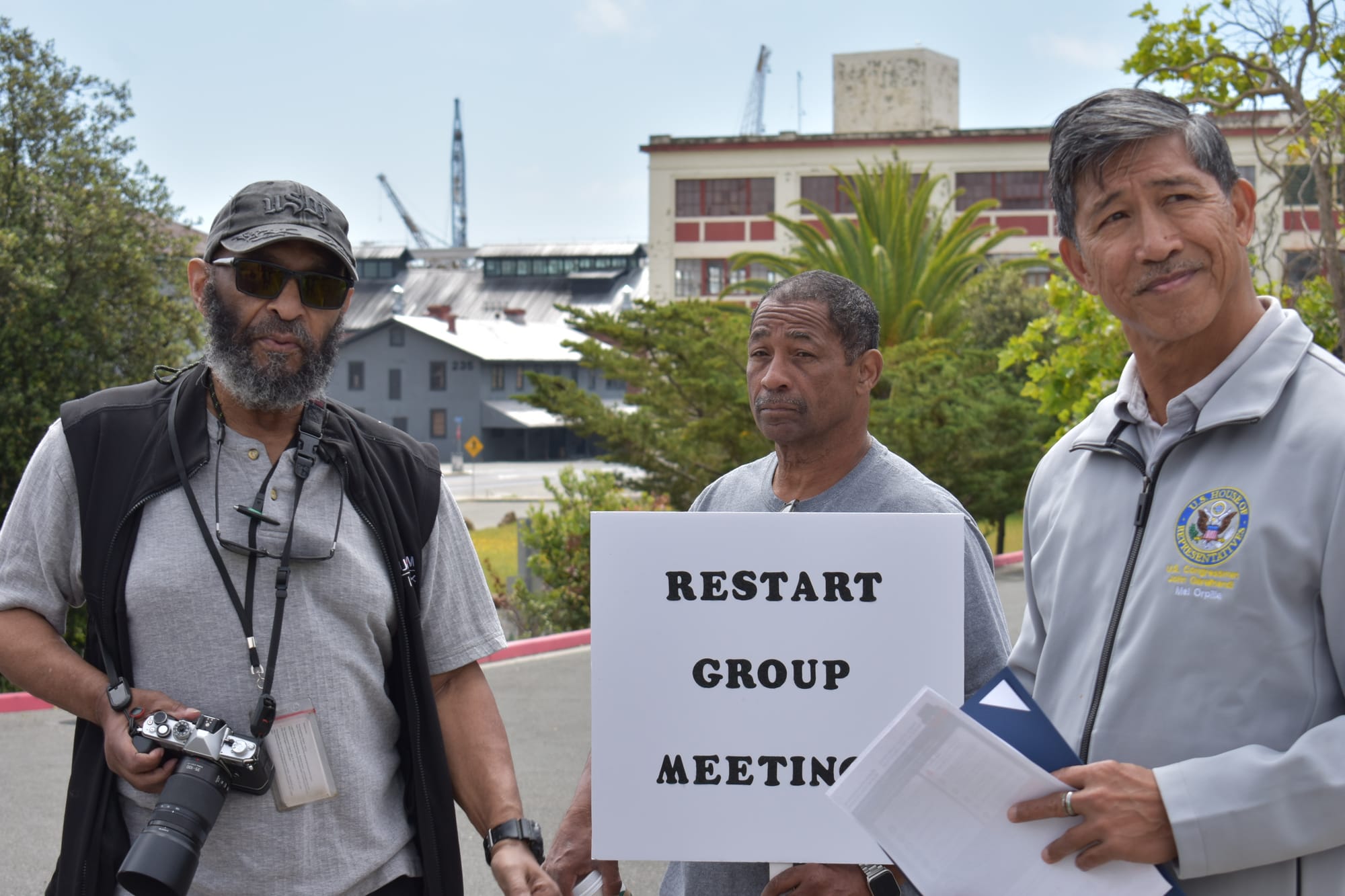
When the groups were first canceled, the members were told the change was a result of the VA shifting policy around long-term therapy.
“The VA across the country changed expectations,” Joshua Orlans, the assistant chief of mental health at the VA Northern California Health Care System, told veterans at a protest in Martinez in June. “We’re transitioning to a world where we retain, ideally, the support of the group, the tribe, but without the psychologist providing the container.”
The veterans were told that the VA’s goal was to move towards the groups being led by a peer support specialist — a staff worker who might be a social worker or who has similar experiences as a combat veteran or first responder, but who isn’t a licensed psychologist.
“What I’m trying to do is have psychologists providing psychotherapy, because if they’re in the group, they’re not doing that,” Orlans said.
At a town hall meeting in May, Orlans said that a similar transition happened at the Oakland VA over a decade ago and it “worked pretty well.”
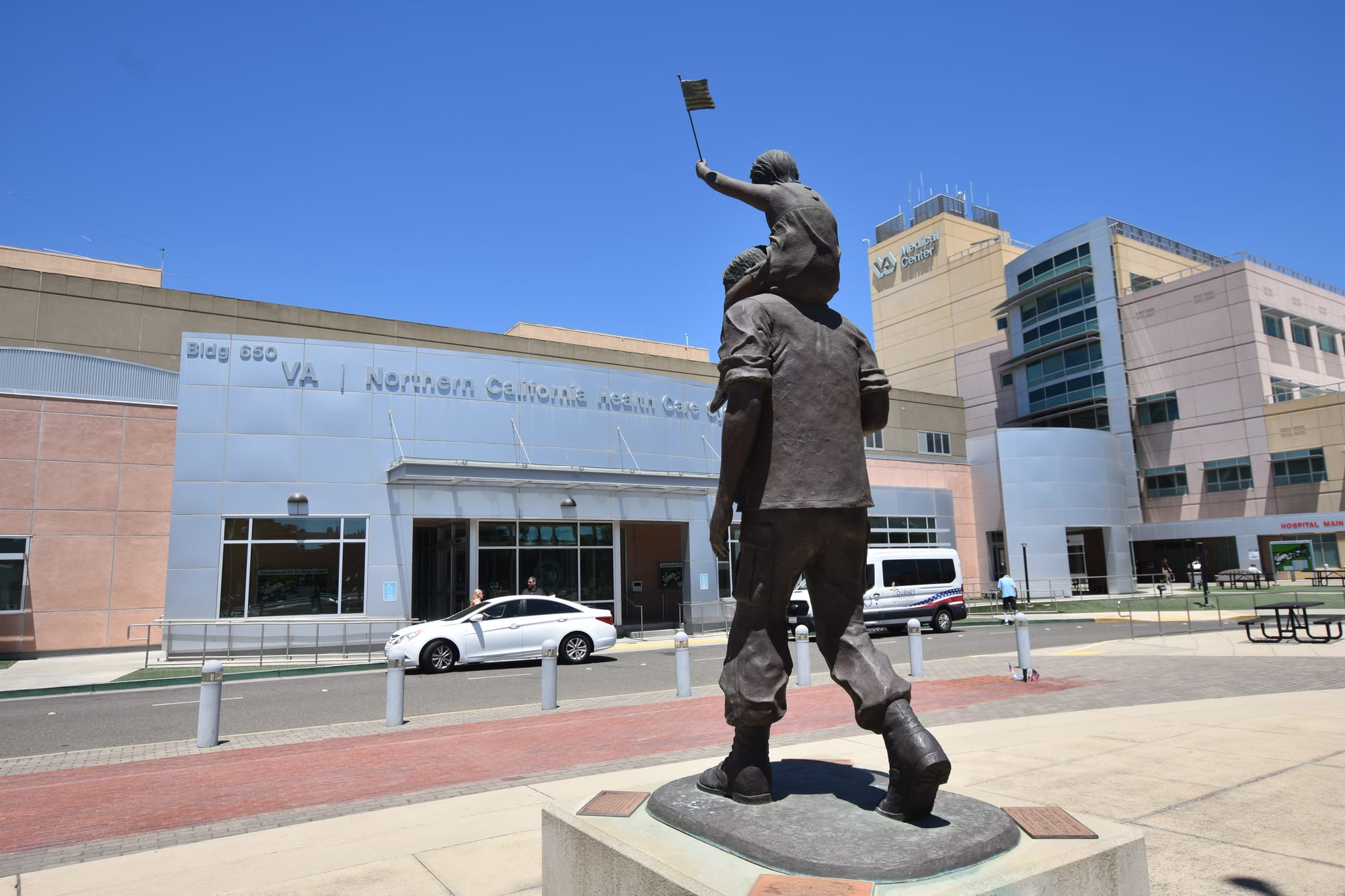
The changes to group therapy have now been implemented at all the Northern California VA clinics. According to the VA website, the Sacramento, Martinez, Mare Island, and Fairfield clinics are now offering group therapy led by peer support specialists, with no offerings for long-term groups led by a psychologist.
In an email to the Sun regarding the group cuts, a VA spokesperson said that federal law requires the VA to follow Centers for Medicare & Medicaid Services guidance, which caps the size of the group for psychotherapy at 12 patients when led by a licensed independent provider. Groups led by a peer, in contrast, are allowed to have larger group sizes.
The VA did not answer the Sun’s questions about why groups led by a psychologist now have to be capped at 12 participants, when they weren’t in the past. It also did not answer questions about why the groups were initially cut without warning, or why the veterans could not continue group therapy with Boriskin.
At the town hall, Orlans said that these changes came about in 2022, when the VA “changed how we manage scheduling mental health appointments” and instituted advance sign-ups for groups because they couldn’t track who was attending the drop-in meetings.
But several veterans said PTSD is unpredictable, so the freedom to drop-in last minute to their assigned group was important.
It seems like “the VA is interpreting these rules to the detriment of the veteran,” said Carl Castro, a retired Army colonel and the director of the USC Center for Innovation and Research on Veterans & Military Families. “There’s always rules and regulations, but are you going to interpret them in favor of the veteran, or to their detriment? How you do that tells me what you really think, and if you care about the veteran.”
Now, the peer-led groups at Mare Island average about six attendees a session. Travers still attends because for him, “A small group is better than no group at all.”
But, he said, “this is a reduction in service to us, no matter how you cut it.”
Some veterans said the peer-led groups are not comparable to being guided by a psychologist, who is specifically trained to pull a vet aside and provide psychotherapy if one of their triggers hit.
Morse, who experienced a similar cut to a PTSD therapy group at the Ukiah VA in 2017, said it’s difficult for a fellow veteran to run and maintain a group while also focusing on their own treatment.
“I did that for three years,” he said, adding that he took over the group as a peer leader and held meetings in Lake County because the VA failed to hire a psychologist to replace the one who left in Ukiah.
Struggling to find supportive care up north, Morse and a few other veterans joined the Mare Island PTSD group — only for that to be disbanded as well.
“The same pattern is repeating, just on a far larger scale,” said Morse. “It’s abandonment and neglect. It’s horrifying, any way you look at it.”
Without any options to join a group led by a psychologist, the vets say they’ve now been told to book individual therapy appointments in increments of 10-12 sessions if they want to speak to a mental health care provider.
This had led to confusion among the veterans, who said that it was more efficient for them to be receiving care as a group, rather than one-on-one.
“I asked them, what if everybody from the group called for an individual appointment?” said Travers. “They told me they would not be able to give out appointments to 30 guys if we all called in on the same day. They couldn’t do it.”
Several of the vets also reported difficulties in signing up for the individual therapy. Travers said the last time he called for an appointment, he waited for 53 minutes before the call cut off. He said prior to 2025, he only waited around 15 minutes to get someone on the line.
Veteran James Canady similarly struggled to get an appointment. He was initially connected to Boriskin, and he attended both Boriskin's group and a peer-led group in Fairfield. But when Boriskin's group ended, he was transferred to a nurse. The nurse told him there weren't any long-term therapy options available anymore, and that he also couldn’t participate in the peer-led groups because he didn’t have an established therapist anymore.
“But I had already requested a new therapist, twice,” Canady said. “It looks like I just walked away from the program and stopped showing up … but we want to use the program. That’s the bottom line, that’s what we’re dealing with.”
Complicating all this is the fact that other groups were halted or discontinued at other clinics. At the same time the Mare Island PTSD group was disbanded, Martinez’s peer-led group was also cut — despite the VA stating that they would be transitioning primarily to that model of treatment.
That disbandment also came suddenly, according to Isaac Wright, who was in the Army and served in the Dominican Republic. Wright said they were told they could no longer meet at the Martinez VA or have their meetings led by their usual peer support specialist.
“When we were told they were stopping the group and we couldn’t use that room anymore, we actually had men and women crying because that was their only outlet,” said Wright.
After months of protests, the Martinez group was reinstated in the summer. But the back and forth and lack of clear communication has left the veterans feeling disrespected and confused about why all the various support groups were targeted in the first place.
“If it’s a money issue, then they should’ve never started the [Iran] war,” said Wright. “We are veterans, we fought for this country, and we definitely don’t like what’s going on in the White House.”
Trump Administration cuts to mental health staffing have likely played into these upheavals. A 2025 report by the VA inspector general found that over half of all the VA facilities in the country were reporting severe shortages of psychologists and psychiatrists. According to the VA workforce dashboard, hiring at the VA has steadily declined since January 2025.
An investigation by the New York Times found that the Trump Administration cut 14,400 medical positions in an attempt to overhaul and “streamline” the VA. While Veterans Affairs Secretary Doug Collins claimed the department only cut vacant positions that were created during the COVID-19 pandemic and now were “no longer necessary,” the Times investigation found that 73% of the cuts were of filled positions, and many workers who were let go were psychologists, who are not classified as medical workers in federal records.
A 2026 ProPublica investigation found similar understaffing in the VA’s mental health departments.
The cuts further hobbled a system that had already been trying to minimize supportive care options for veterans for years.
Castro explained that cuts to group therapy have been happening since the late 2000s, when the VA started moving away from long-term, open-ended therapy towards more structured and time-limited individual therapy.
“They wanted something like 10 or 12 sessions, in and out,” said Castro. “Get them out. Get them through the system.”
These changes first occurred during the George W. Bush Administration, when veterans started coming back from Iraq and Afghanistan with high rates of PTSD – nearly 20% – leading to the VA looking into the efficacy of various PTSD treatments.
In 2007, the VA began to adopt what’s called “evidence-based therapy” treatments, which is when Castro said he started noticing cutbacks to group therapy at the national level; veterans in Castro’s own area of Los Angeles lost their PTSD therapy group about a decade later.
These evidence-based treatments consisted of three specific individual therapies: cognitive processing therapy, which teaches the patient how to change upsetting thoughts and feelings; prolonged exposure, where the patient revisits the moment of trauma; and eye movement desensitization and reprocessing, where the patient recalls the trauma while paying attention to a repetitive movement or sound.
These three methods are still considered frontline treatments for PTSD, according to the VA’s current clinical practice guide. Group therapy, meanwhile, is listed as a supplemental treatment, with the guide noting that there is “insufficient evidence to recommend for or against” it.
But Castro noted that these individual therapies don’t work for all veterans, and over a third of veterans “still struggle with their PTSD symptoms” after.
“A lot of veterans drop out of individual therapy because they don’t think they’re getting anything out of it,” said Castro.
A 2025 analysis of 181 PTSD studies found that cognitive processing therapy and prolonged exposure have the highest dropout rates among veterans, at 40% and 35%, respectively.
“The bottom line is, we’ve got a lot of work to do,” said Castro. “There’s a lot of veterans who do not respond positively to prolonged exposure or cognitive processing therapy.”
Several veterans told the Sun that some of these therapies have been useful, giving them the skills for how to manage their PTSD symptoms.
“I went through therapy for six years, the whole nine yards,” Wright said. “I still have PTSD, but when the triggers hit, I have a tool to work with.”
Others had more mixed reviews. Lorenzo Looper, who served in the Navy for 24 years and was deployed to the Persian Gulf, said that while he’s learned some coping skills, the individual counseling often feels like one big “pity party.”
“And once you walk out the door, you take the pity party with you. You’re stuck with yourself,” Looper said.
Some veterans noted that PTSD doesn’t simply fade after 10-12 therapy sessions, and that having to sign up again after the 12 sessions is over — often with a new clinician — creates frustration and gaps in care.
“There’s a lot of issues that people get coming out of the military. They’re not one and done, and it’s not all from combat,” said Harold Sessions, who served in the U.S. Air Force for 20 years. “They’re lifelong issues, and that's something that people don’t really understand.”
Several veterans said it’s often hard to feel connected to their VA therapists — some of whom are younger, and who might be unfamiliar with military culture or have never seen a battlefield.
A 2018 evaluation of the VA’s mental health services found similar issues, with some vets describing individual therapy as “impersonal” and “robotic,” noting they felt judged by their therapists for the actions they were expected to carry out during war.
That’s why the ongoing groups were a crucial space of catharsis and belonging for the veterans, where they could talk about the trauma they experienced without having to over-explain what it was like.
“The psychiatrists are good. We need them. But we also need the group because we've all been through the problems that everyone else is dealing with,” Wright said. “The psychiatrists haven’t been there. They haven’t had one of their friends hit with a 50-caliber rifle and die in their arms.”
“As we like to say, clients vote with their feet. So if they’re coming, that means they’re getting something out of it,” said Castro. “Groups don’t have to just be about, ‘Does this cure your PTSD?’ That’s just a very narrow and medical model-ish attitude.”
Castro described the cuts as “misguided.”
“It's very short-sighted because these programs could be what's keeping them functioning. What's keeping them alive, so they don't take their own lives,” Castro said. “I certainly wouldn’t end groups that people were a part of for years and decades.”
He said instead of the VA focusing on continuously optimizing the current evidence-based treatments, they should be conducting studies about what other treatments might be more effective — including researching why some veterans might find group therapy more useful than individual therapy.
“If this is about, ‘Let’s stop doing stuff that’s not evidence-based,’ well, get the evidence then,” Castro said. “Do the studies to show that it’s not helpful. Don’t just stop doing it.”
Meanwhile, the vets said they’ll continue to protest, even though many of them report feeling worn down and disregarded.
“We paid our dues, man. It really isn’t fair,” said Travers.
But they said they’ll continue to raise their concerns not just for their own group members, but for the soldiers who will one day return from Iran and likely seek out the VA’s mental health department.
“If this is the model, 12 weeks of care is not gonna get them better, especially for PTSD,” said Canady.
Morse said ultimately what they’re asking for isn’t difficult: restart the four groups, or hire and train another psychologist who can provide the same level of care they once had with Boriskin.
“You broke it, you’ve got to fix it,” said Morse.
Independent local news depends on you
The Vallejo Sun is supported by readers who value reliable, in-depth local news. Your support helps us continue investigating important issues and keeping Vallejo informed.
Become a member today