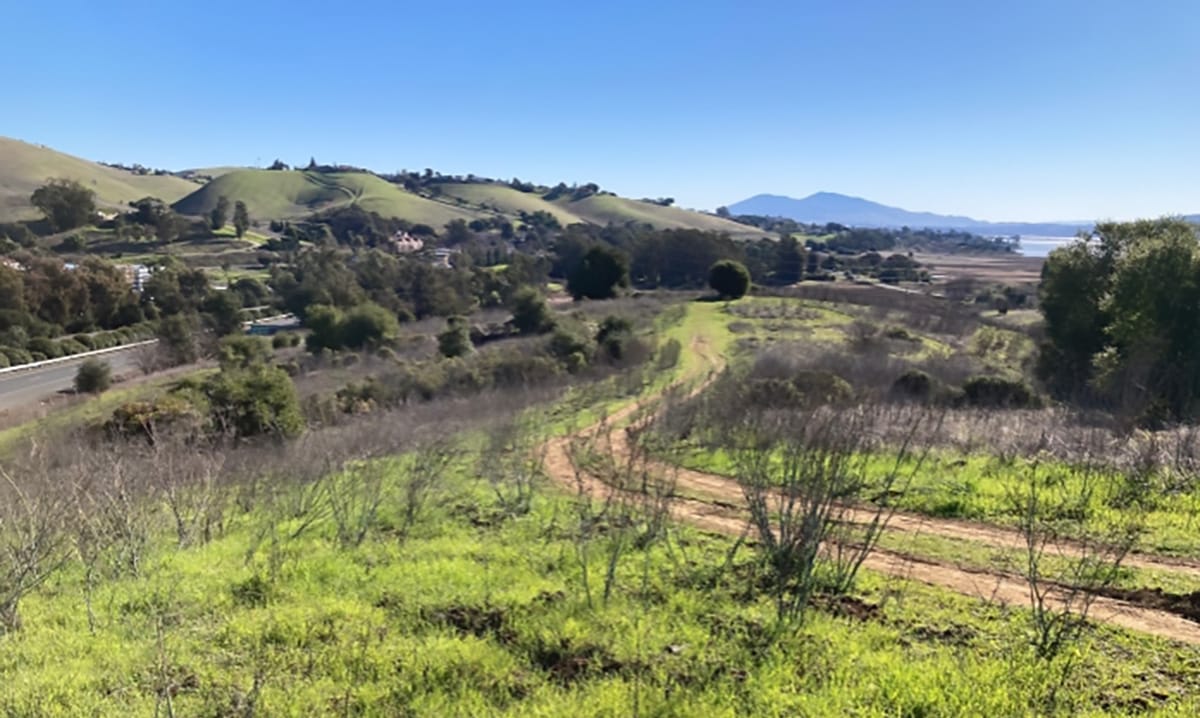
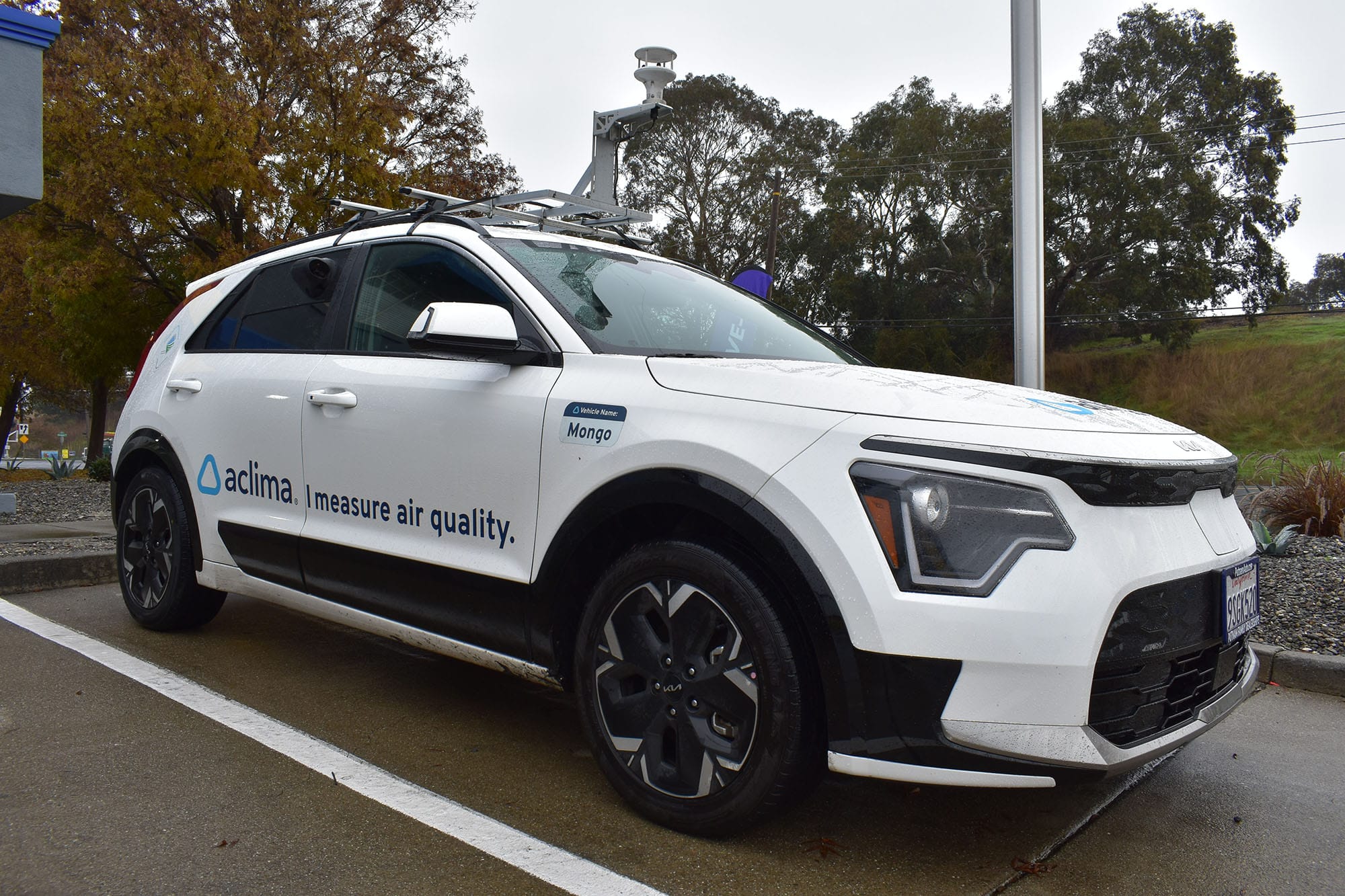
VALLEJO — Cars outfitted with sensors have been quietly driving up and down Vallejo and Mare Island for the past few months, but they’re not mapping for Google or testing autonomous vehicle technology like Waymo. Instead, they’re measuring air pollution.
The vehicles belong to Aclima, an environmental technology company founded in 2011. The company’s early work focused on installing air quality sensors in Google offices. Now, Aclima is working with the state on a $27 million mobile monitoring initiative designed to collect detailed data on neighborhood-level air pollution.
As the cars drive around, they pick up differences in pollution levels, which can vary dramatically depending on the street, the season, or even the time of day.
The project started in September 2024 and will last two years.
“The idea is that over these two years, which includes about nine months of monitoring, we’ll be able to collect enough block-by-block pollution data to show people what they’re breathing,” said Ana Miscolta, a senior community partnerships manager at Aclima. She said the data could also help inform future legislation and climate initiatives.
The effort is part of California Climate Investments, a statewide initiative that funds public health projects through money from the Greenhouse Gas Reduction fund, created through former President Joe Biden's Inflation Reduction Act. It complements AB 617, a 2017 state law that requires that the California Air Resources Board and local air districts look at reducing poor air quality in low-income communities and communities of color.
The bill initially identified 19 vulnerable communities for monitoring. Community members and local air districts later nominated additional cities, including Vallejo, bringing the total number of monitored communities to 64.
Aclima’s mobile equipment measures 10 pollutants, including ground-level ozone (also known as smog) and carbon dioxide. It also measures fine particulate matter, which can exacerbate heart conditions through long-term exposure.
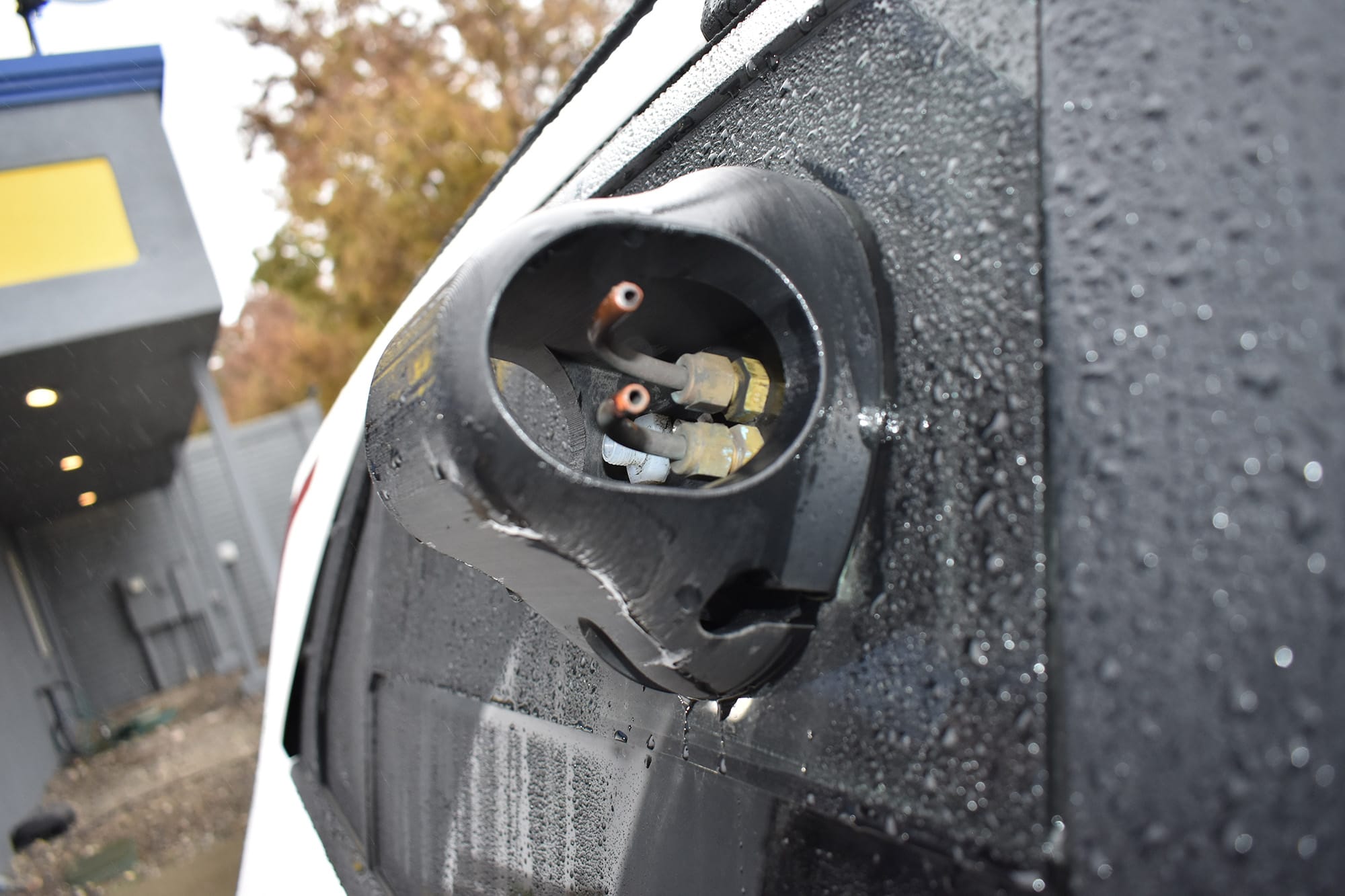
Each car is outfitted with an air inlet on the side. As the vehicle moves, air is pulled through the tubes into a mobile node in the back that collects data every second on the levels of each chemical. That information is continuously uploaded to Aclima’s system in the cloud.
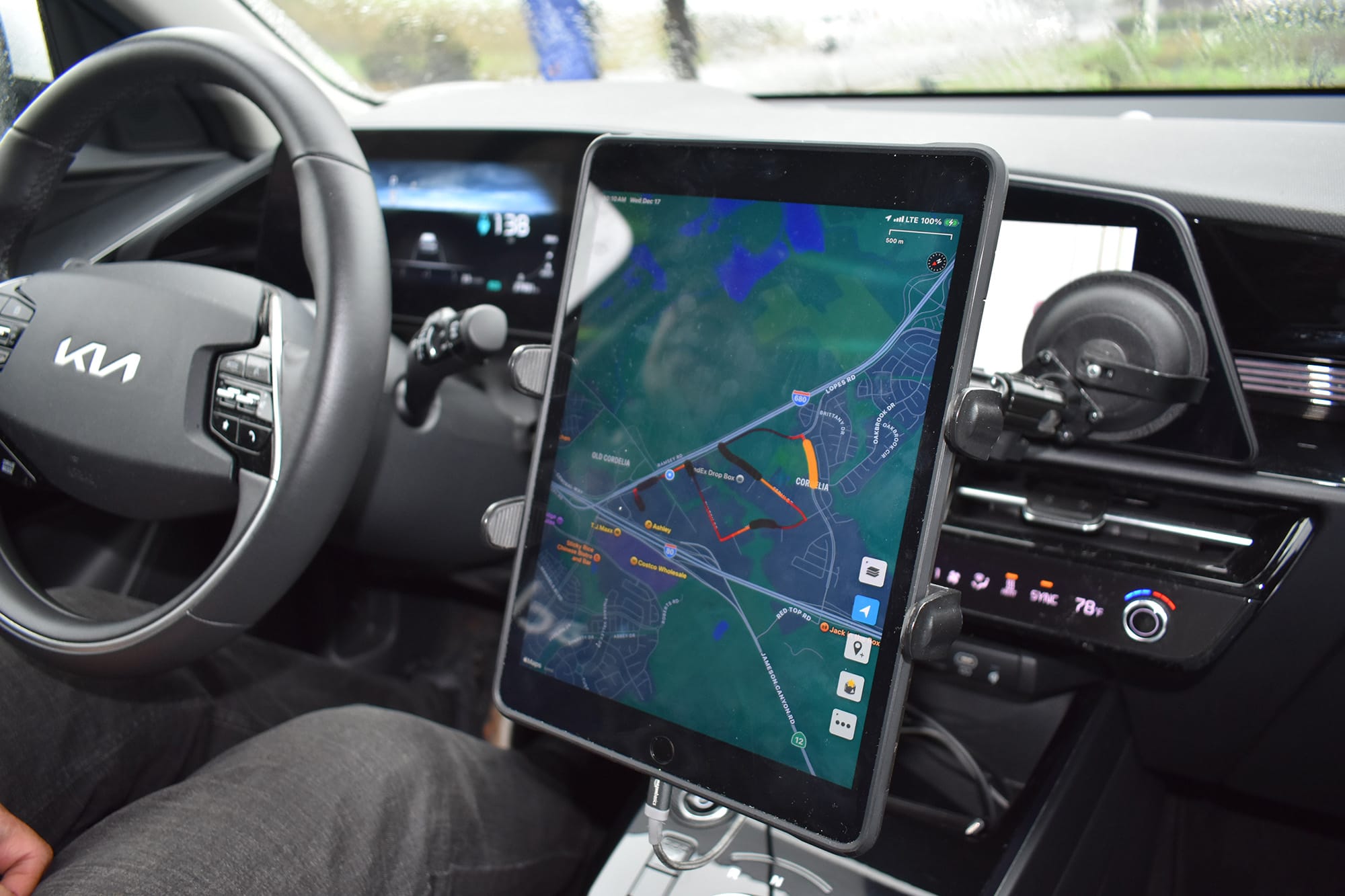
The cars drive through the same areas up to 20 times to create an average pollution profile for each location.
Monitoring will continue until May 2026. At the end of the period, each city will receive a pollutant average on an interactive map. The data is not being shared in real time — in contrast to community-run websites like the Benicia Community Air Monitoring Program, which shows live data from around the Benicia refinery.
“We take a lot of time to analyze the data and make sure it’s accurate,” Miscolta said. “Then we produce a data set that’s averaged over time, and that’s what we put on a map.”
She added that Aclima’s technology is not regulatory grade, meaning that it’s not certified by the U.S. Environmental Protection Agency as comparable to how national air quality standards are measured. This is because the car is moving around, making it less accurate than a stationary air monitor. So if local air districts wanted to act on Aclima’s findings, Miscolta said that they’d still likely have to do their own follow-up study using EPA-approved monitoring methods.
Still, there’s value in this form of monitoring.
“With mobile monitoring, you can drive down a road and collect a sample right in front of someone’s house,” Miscolta said. “It’s easier, especially from a community member’s perspective, to understand what they’re breathing at home or at their kids’ school. We provide broader spatial coverage and measure a wider range of pollutants.”
The company is also working with several research partners, like UC Berkeley and UC Riverside, to operate large mobile laboratories to conduct targeted studies at sites that people may be especially concerned about.
“If a community says they’re really worried about a specific factory, one of these mobile labs might do a special study around that facility,” Miscolta said. “They could do a perimeter analysis and sit there for a week to see what they find.”
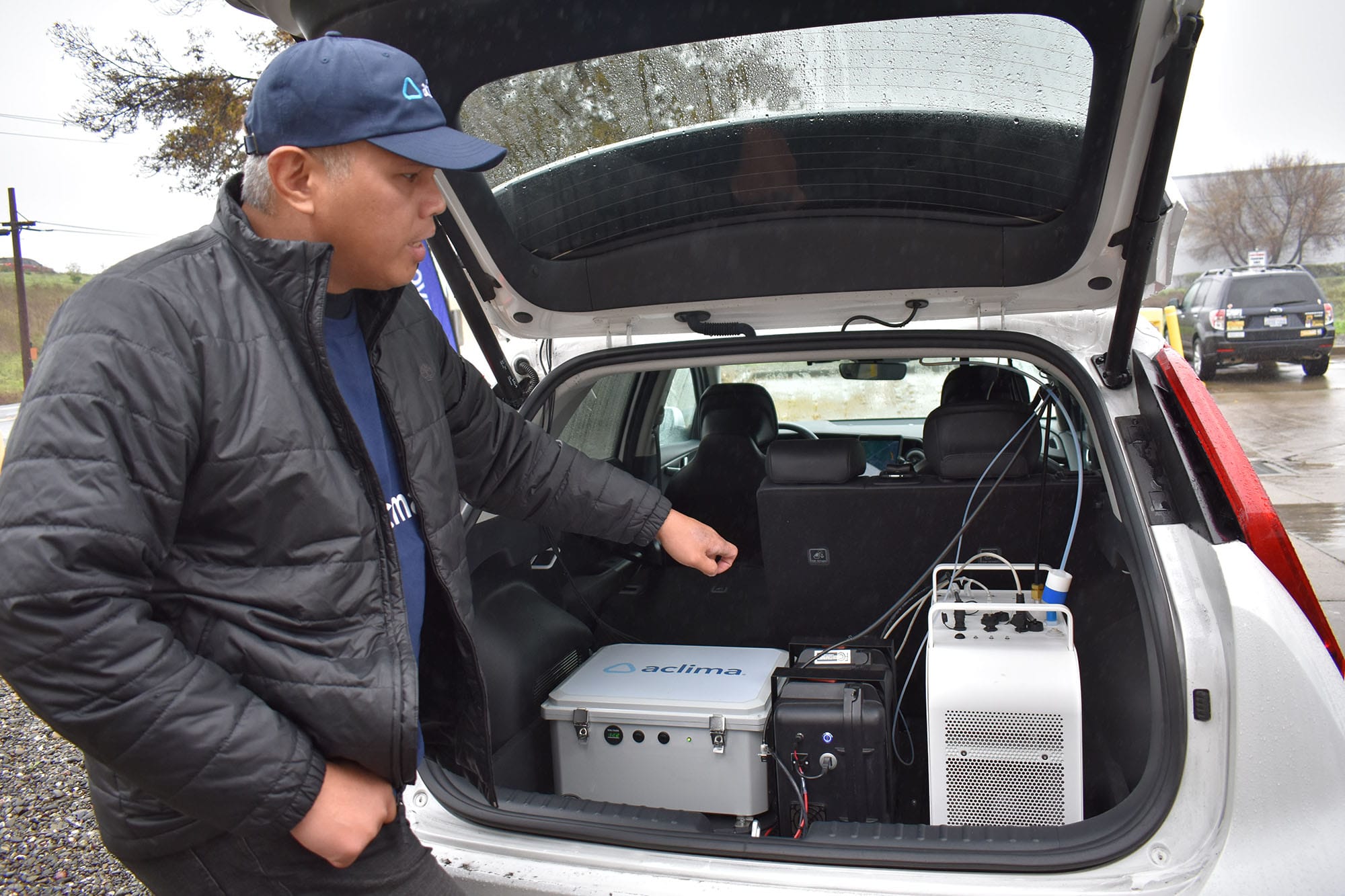
Redmond Nery, one of Aclima’s drivers, said the job gives purpose to time spent behind the wheel.
“It’s fun,” Nery said. “Every mile you’re collecting data. It feels like a greater purpose, like you’re not just driving around.”
Nery checks into the main Aclima hub in San Leandro every day, and his routes take him all over, from Hayward, Oakland, Hercules, and Concord. The routes he follows emphasize industrial areas, freeways, and near parks and schools, where poor air quality can lead to higher rates of childhood asthma.
According to the California Department of Public Health, Vallejo had nearly triple the rate of asthma emergency room visits compared to the state average in 2023. Solano County also has the highest rate of childhood asthma in the state, according to the data agency the Population Reference Bureau.
The cars make their mission clear with a decal that says “I measure air quality.” Each car is named after a musician, like E-40, Queen Latifah, or Cuban percussionist Mongo Santamaría. Nery said sometimes people wave when they see the car. Or they’ll dance, sometimes mistaking the gadgets on the car for cameras.
Driving as a job is not for everyone, and Nery said he’s on the road for six to eight hours a day. But “my background is in tech, and I just like vehicles,” he said. “And it’s good to work for a green tech company. When you go home, you feel good about it.”
Ken Szutu of the Citizen Air Monitoring Network in Vallejo has been working with Aclima through what they call a “project expert group.” He said that prior to the announcement of the project, some community members expressed some objections to the state giving the $27 million legislative investment to just Aclima.
“I think the main objection was that the money could be better spent in the community, by the community directly, instead of giving it to one company,” Szutu said. In 2016, Szutu set up his own network of citizen-run air monitors in Vallejo, and he now serves on the community advisory council for the Bay Area Air District.
Following community input, the company revised the air monitoring plan for Vallejo. The report notes that areas of air pollution concern include the Phillips 66 refinery, abandoned shipyards on Mare Island, Interstate 80, and the nearby Selby Slag site in Rodeo. The report states that South Vallejo has a number of industries in the area that could be sources of pollution, including the wastewater treatment plant, cement and construction companies, and ship coatings and repairs.
Szutu expressed concern over the data not being regulatory grade, and that Aclima’s proprietary methods could make it difficult for outside scientists to replicate the results. He said that data from sources such as PurpleAir can be compared across systems, while Aclima’s averaged data may be harder to contextualize.
Still, Szutu said he sees value in the project as a tool for community engagement.
“One use is demonstrating which areas are more impacted by pollution,” he said. Community members often already know they’re living in polluted areas, he said, but projects like this encourage more dialogue with residents and local agencies, for example, like the wastewater treatment facility.
“I do see benefits,” Szutu said. “My question is what we get at the end of this, and how it helps the community.”
Miscolta said she understands the concerns and acknowledged that many residents probably already know they live in areas with high pollution levels. But she said projects like this are still necessary.
“Often this is the step that needs to happen before local agencies or the state acts,” she said. “Even if people already know there are refineries nearby, many community members want their experiences validated with data.”
Before you go...
It’s expensive to produce the kind of high-quality journalism we do at the Vallejo Sun. And we rely on reader support so we can keep publishing.
If you enjoy our regular beat reporting, in-depth investigations, and deep-dive podcast episodes, chip in so we can keep doing this work and bringing you the journalism you rely on.
Click here to become a sustaining member of our newsroom.
THE VALLEJO SUN NEWSLETTER
Investigative reporting, regular updates, events and more