BENICIA – After Valero suddenly announced that it would close its Benicia refinery next year, state lawmakers scrambled to find a way to keep the company in the state. But the final legislative session of the year ended with no conversation on the issue.
“The city manager basically said that it's a done deal,” said Benicia City Councilmember Terry Scott. “We have to plan truly that Valero is leaving.”
Valero’s departure will have a huge impact on the city. The company employed over 400 people and paid around $7.7 to $10 million in taxes to the city’s general fund, which is about 20% of the budget. The City Council is looking at which city services and departments will be impacted. They’ll also need to figure out what environmental remediation needs to be done around the refinery, and if the area can be redeveloped.
But it’s not just the city reeling from the sudden announcement. The closure also comes as a shock to numerous nonprofits in the area. Since Valero took over the refinery in 2000, it has given more than $77 million to local charities, whose services range from emergency shelters to hunger relief and childhood education.
Valero leaving “touches just about every person in the community, one way or another,” Scott said. “They provided funding for these groups, and that funding has now dried up, so they're going to have to find new sources of revenue in a very difficult environment for fundraising.”
For places like Vallejo’s Loma Vista Farm, Valero was the company they turned to when they had major renovations or projects, like building new homes for the animals.
“We’ve gotten grants over the years from other places, but in terms of how big each grant was, Valero has probably been the biggest,” said Janice Sullivan, the president of the Friends of Loma Vista Farm.
Sullivan described herself as an environmentalist, and expressed mixed feelings about the refinery closing. “It’s a difficult thing because you don’t want that kind of pollution,” she said, acknowledging that the company’s corporate giving was likely a way to “allay some of those concerns about the environment.”
Still, “they have been generous,” Sullivan said. She estimated that Valero gave close to $200,000 over the years. Most recently, it donated $50,000 for a new cow barn.
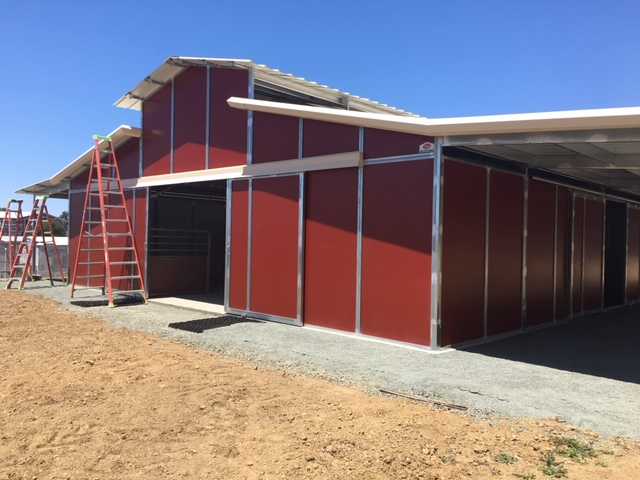
Sullivan said that Valero’s contributions went beyond just donations. “They had people come out to the farm. They helped us with some of our fundraising events,” she said. “So not having that kind of support from one of the largest businesses around…we’re concerned.”
Sullivan said that the farm’s programming isn’t going to change because they have a strong base of individual donors who have given small amounts to support the summer program and various events.
But she’s less sure about who they’re going to reach out to when another big project crops up.
“Valero has always been our go to,” she said. “So we’re going to have to reach out a little bit further and figure out what we can do.”
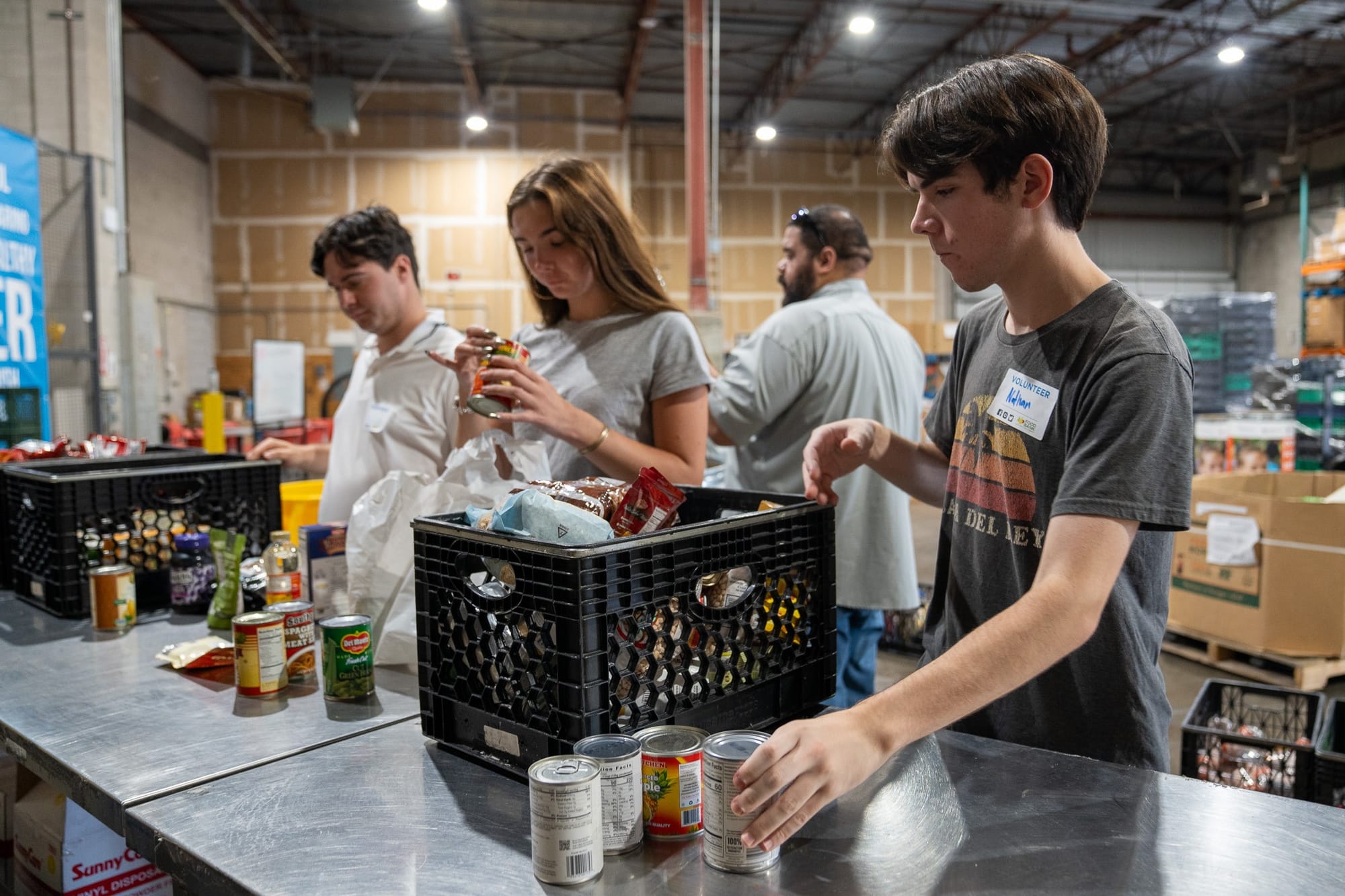
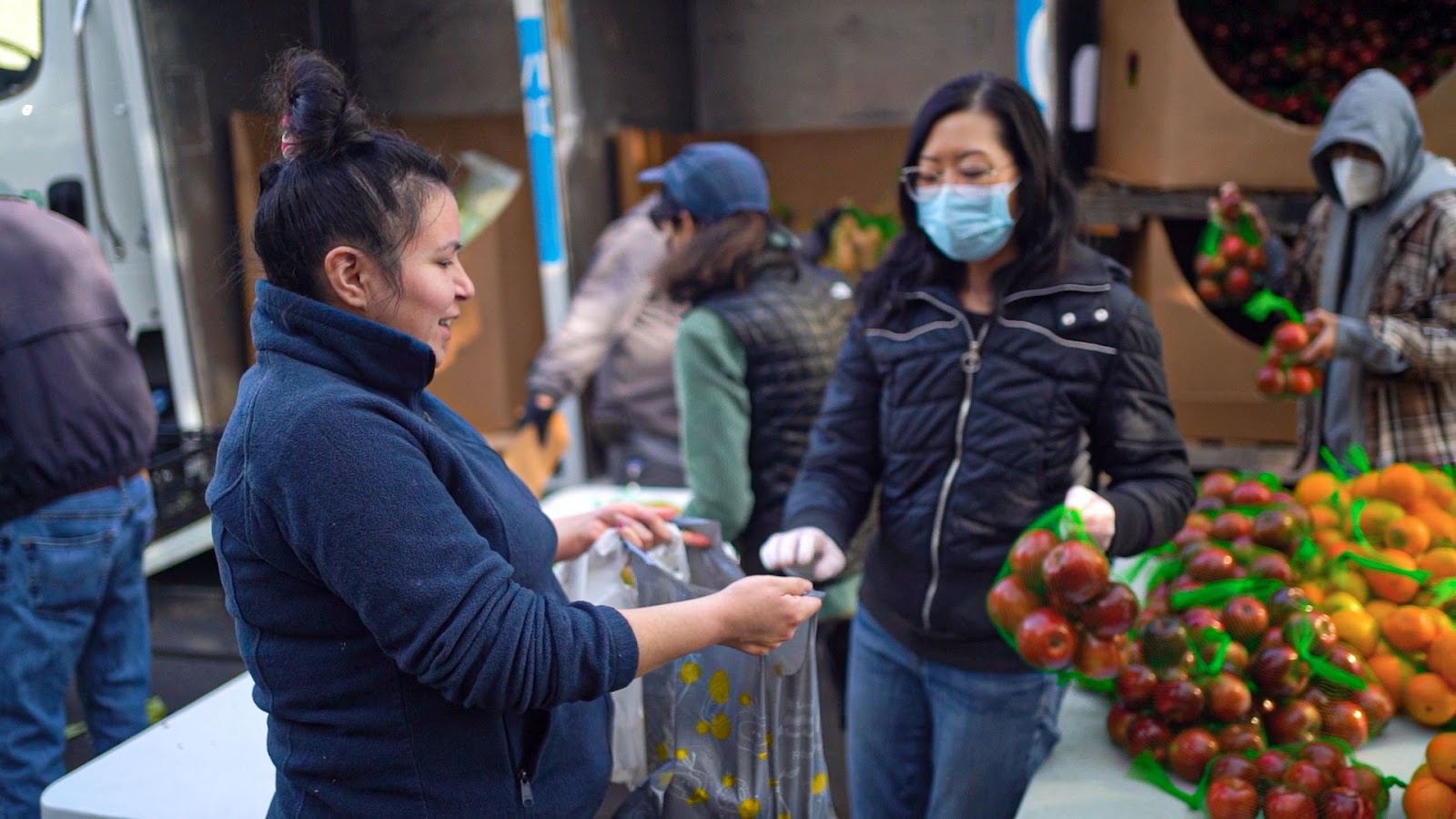
The Food Bank of Contra Costa & Solano County is facing a similar situation. Caitlin Sly, the president and CEO of the food bank, said that Valero has been a long-standing donor for them since the early 2000s, giving about $55,000 a year. Individual Valero employees also donated on top of that.
Valero closing “is a really big loss,” Sly said. “It's fewer dollars that we can spend on food, and fewer dollars that can go into our programs and services.”
The loss of Valero’s charity comes at a time when the food bank is already reeling from federal funding cuts. In March, the Trump Administration cut a $1 billion program that would have supplied fresh produce from local farmers to food banks and schools. Trump’s “Big Beautiful Bill” then cut a further $186 billion in funding for SNAP benefits for low-income people.
“Those are the biggest cuts in the program's history, and will eliminate about 6 billion meals worth of benefits,” Sly said. “So it's really a pretty devastating time for nonprofits, especially nonprofits in the food insecurity space and food banks throughout the country.”
Because of Valero’s philanthropy, Scott said some people have asked the Benicia City Council to do everything in their power to make the company stay. But he said there’s nothing they can do on the city level.
“The city doesn't own the land [the refinery sits on],” Scott said. “And we can't change the environmental laws that the state, the county, and the federal government put on it.”
Some community members have blamed the City Council for chasing Valero away because they recently passed an industrial safety ordinance, which sought to place more oversight on Valero and other local polluters.
But Valero is one of several oil companies that have announced they are leaving California, and cited the state’s tough regulatory environment. Last year, Chevron said that it would relocate its California headquarters to Texas. Phillips 66 similarly announced it would cease operations at its Los Angeles refinery. A month later, the company was indicted for allegedly illegally dumping nearly 800,000 gallons of contaminated wastewater into the Los Angeles sewers.
Valero’s recent $82 million fine could be another factor in its exit. In October 2024, the Bay Area Air Quality Management District applied the penalty after finding that Valero had released 8,400 tons of toxic emissions for nearly two decades without reporting it, with daily emissions going over 360 times the legal limit. The emissions included chemicals known to cause cancer, reproductive harm, and respiratory diseases, among many other health issues.
When it comes to charitable donations, “refineries aren't the only game in town,” said Lorene Allio, the former director of strategic partnerships at the Solano Community Foundation who now advises nonprofits on how to get funding. She encouraged organizations in Vallejo and Solano County to look to the wider Bay Area for money.
“We can’t be trying to retain folks who are harming people’s health just because we think we’re going to get grants from them,” she said.
Benicia Councilmember Lionel Largaespada is heading up a task force that’s surveying nonprofits on how the Valero closure will impact them. Preliminary findings from 22 responses show that half of the organizations are confident that they can sustain their programs for the next two years without Valero’s support. Nearly all respondents noted that they’d like workshops on donor engagement strategies, as well as grant writing.
Largaespada will present the survey’s findings at the next City Council meeting on Oct. 21.
Before you go...
It’s expensive to produce the kind of high-quality journalism we do at the Vallejo Sun. And we rely on reader support so we can keep publishing.
If you enjoy our regular beat reporting, in-depth investigations, and deep-dive podcast episodes, chip in so we can keep doing this work and bringing you the journalism you rely on.
Click here to become a sustaining member of our newsroom.
THE VALLEJO SUN NEWSLETTER
Investigative reporting, regular updates, events and more