VALLEJO – Two children of a homeless man killed during a city of Vallejo clean up operation in 2024 filed a wrongful death lawsuit on Wednesday, claiming that city workers ignored obvious signs of human habitation before gathering materials using heavy equipment.
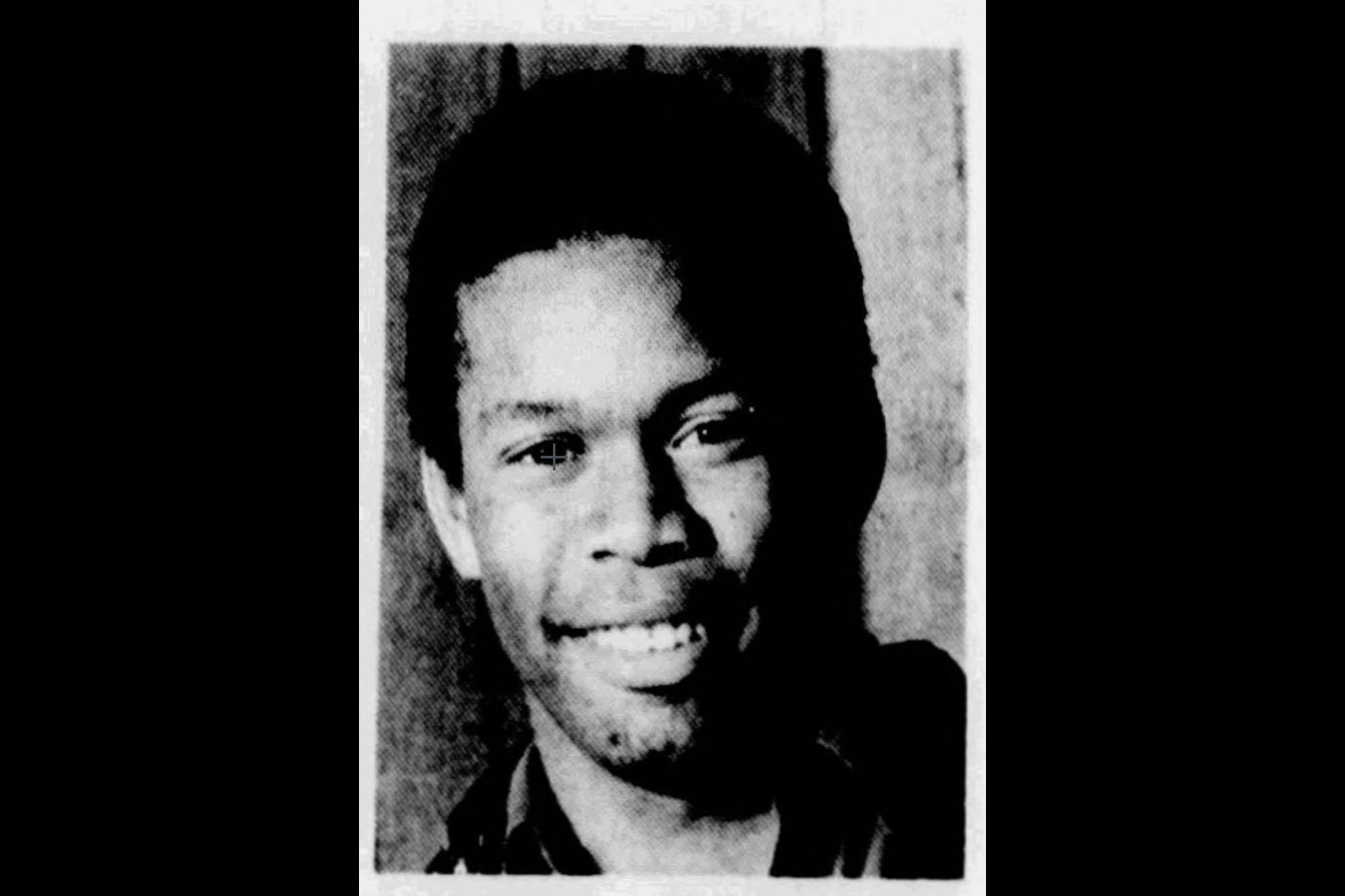
James Edward Oakley II was crushed to death during the Dec. 24, 2024, clean up. The lawsuit, filed by Taneka Bennion and James Edward Oakley III, alleges that the city of Vallejo failed to properly train and supervise employees and did not have reasonable safety protocols in place to protect human life during encampment clean ups. The suit also alleges negligence by Solano County and several unidentified individuals involved in the incident.
“The family is devastated about what happened,” the plaintiffs’ attorney Sam Fareed, with the firm United Citizen Law, said in an interview. “They are still in shock – to get a call and find out about the gruesome way that their dad passed away. And I think that the city needs to step up and accept responsibility for how they treat people like Mr. Oakley.”
According to the coroner’s report, Vallejo city workers arrived at 2341 Broadway around 9 a.m. that day to clean up what city officials referred to as an “illegal dump site.” The report indicated that the materials at the site included a mattress covered with blankets and possibly a tarp, along with several totes and trash bags.
City workers kicked the mattress and shouted but did not lift the tarp or blankets to determine if anyone was underneath the items. When the workers received no response, a public works employee used the front bucket of a backhoe to crush the materials and scoop them up. Then a worker saw Oakley’s leg sticking out from between the crushed items and called 911.
Emergency responders pronounced Oakley dead at 9:16 a.m. An autopsy determined that Oakley died from blunt force trauma injuries to a number of his organs after being crushed by the bucket of the backhoe.
The report notes that a Recology work crew had arrived at the site to clean up the materials earlier that day but the workers realized that a living person was present at the site and moved on to other duties.
The lawsuit highlights the Recology crew’s actions as an example of “reasonable industry practice” that would also be expected from city workers who are properly trained and abiding by adequate safety procedures.
The lawsuit argues that the city was aware of the potential danger but failed to take responsible steps to protect unhoused residents.
Fareed said that his firm conducted a preliminary investigation that found there have been previous incidents in which city workers came close to injuring unhoused residents with heavy equipment.
Additionally, the city of Vallejo accelerated the pace of encampment removals following the 2024 U.S. Supreme Court decision in Grants Pass v. Johnson, which overturned lower court rulings that had prohibited cities and counties in western states from removing encampments on public property when shelter beds are not available.
The city’s increased encampment clearings forced unhoused Vallejo residents to move frequently, often into more vulnerable circumstances. The lawsuit argues that the city should have anticipated the need for safety procedures that could eliminate the dangers involved in their increased encampment clearing activity.
The lawsuit also argues that the city’s implementation of a new set of policies, including a requirement to remove tarps or coverings before using heavy machinery, demonstrates that more responsible policies were needed and were not in place at the time of Oakley’s death.
The city of Vallejo released a series of public statements following Oakley’s death, which the lawsuit argues demonstrated a “dehumanizing attitude toward unhoused residents.” The city’s initial public notices described Oakley’s sleeping gear and possessions as an “illegal dump site” or a “trash pile” but the blankets, mattress and totes were obvious signs of an encampment with active human habitation, the lawsuit states.
Oakley had been living in a small shed in the parking lot of a vacant building but was asked to leave the shed so he moved his belongings to an undeveloped lot nearby.
“Something that we are going to explore further,” Fareed said, “is whether or not [the city] had prior notice that he used to be there often… as well as how they can still be so callous about their behavior.”
Oakley had long struggled with drug addiction, which caused a rift between him and some of his family members. His children are seeking damages related to their loss of the love, companionship and support they received from their father but they are also seeking damages for the permanent loss of hope for family reconciliation.
“I cannot emphasize how hurt those children are,” Fareed said. “There is always that story of redemption – there is always that hope that at some point he is going to sit at the dinner table and tell stories to the grandkids. They have been robbed of that opportunity in the most cruel way.”
Before you go...
It’s expensive to produce the kind of high-quality journalism we do at the Vallejo Sun. And we rely on reader support so we can keep publishing.
If you enjoy our regular beat reporting, in-depth investigations, and deep-dive podcast episodes, chip in so we can keep doing this work and bringing you the journalism you rely on.
Click here to become a sustaining member of our newsroom.
THE VALLEJO SUN NEWSLETTER
Investigative reporting, regular updates, events and more
Ryan Geller
Ryan Geller writes about transitions in food, health, housing, environment, and agriculture.
follow me :