
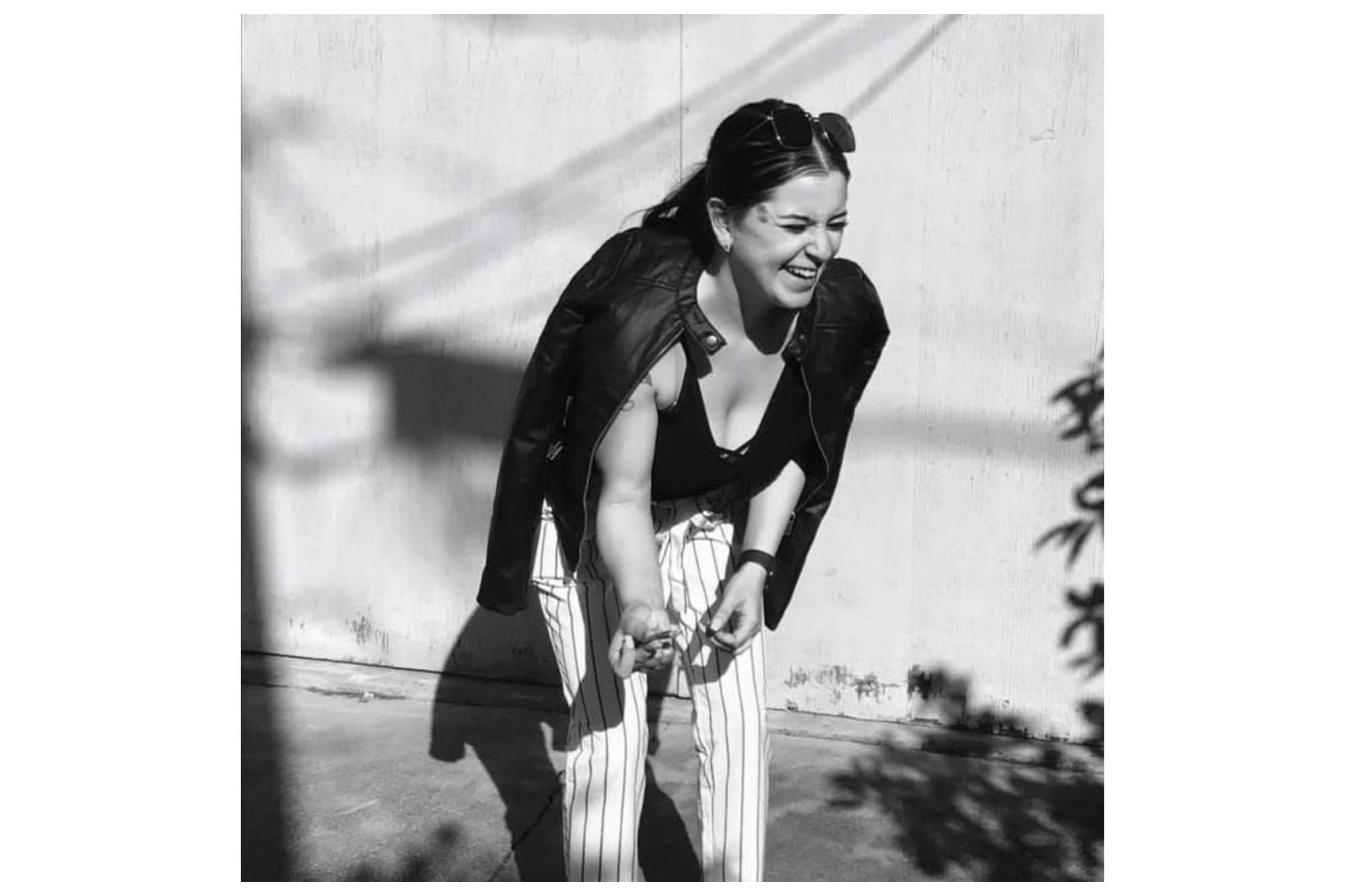
VALLEJO — Melinda DelRosario visited her daughter the night before she was murdered. Ceicilia Corsetti was staying at her boyfriend’s South Vallejo home. DelRosario said she saw Corsetti’s boyfriend, Roberto Tamayo, with a drum magazine handgun on his lap and his roommate walking around shirtless and holding an assault rifle.
“I'm just bringing her Panda Express and trying to talk her into coming home early,” DelRosario told the Vallejo Sun in an interview. “I felt like something terrible was gonna happen to her and I've been saying it for a month, and it was just a piece of me saying she was about to die. And that's what happened.”
The next day, on May 1, Tamayo shot and killed Corsetti, police and prosecutors allege. She was 29.
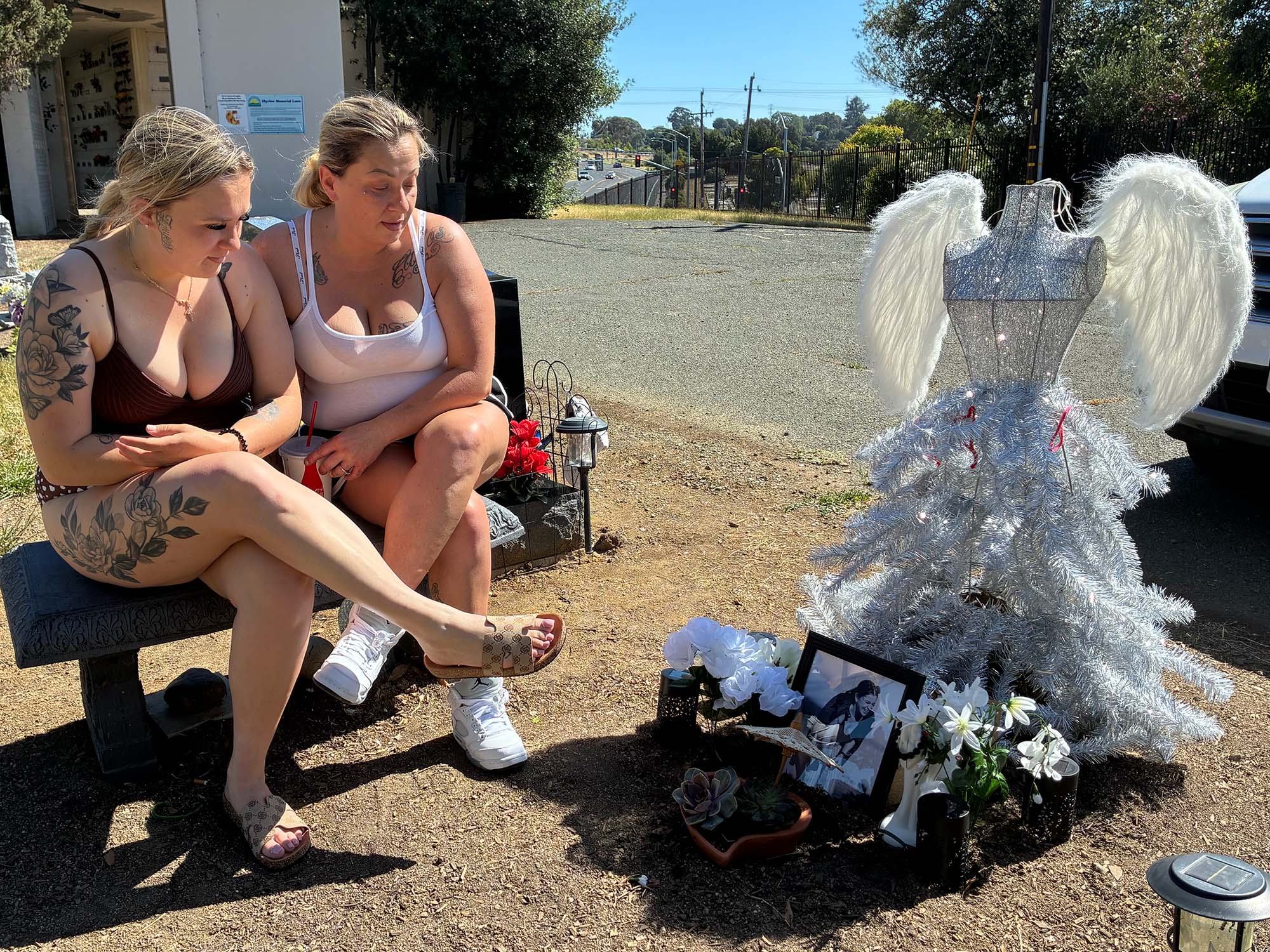
Corsetti was one of two people who allegedly have been killed by their romantic partners this year, accounting for two out of five homicides in the city.
Demonie Whitehead, a 21-year-old rapper and entrepreneur, was shot and killed April 4 in South Vallejo. Her family told ABC7 that they believe her ex-girlfriend killed her. Police have not arrested anyone for the murder and provided no updates.
It’s part of an overall rise in domestic violence in Vallejo. According to police data, domestic violence cases in Vallejo increased to 437 reported cases in 2025 compared to 385 in 2024.
Victims Empowerment Support Team, or VEST, a non-profit for victims of domestic violence, also said they are seeing increased call volume from victims seeking support countywide.
VEST Executive Director Tanya Brownrigg said there are often previous incidents before domestic violence turns deadly. Early intervention – protection and help for victims and accountability for offenders – is crucial to mitigate lethal intimate partner violence, she said.
On April 5, a month prior to her murder, Corsetti and Tamayo were both arrested by Vallejo Police after they had a public dispute. Court records show that both were charged with resisting arrest. Tamayo had additional weapon charges.
Corsetti and Tamayo met in January, and she moved out of mother’s home a short time later. Her relationship with her family grew more distant in the following months, removing herself from her main safety net.
Corsetti kept a diary of the last year of her life, which her mother shared with the Sun. In it she described how her life was becoming more “chaotic,” and described an increasingly toxic relationship with Tamayo that spiraled in the months before she was murdered.
Tamayo stayed on the run for 19 days before he was arrested. During that time, he allegedly shot another man in almost the same location as Corsetti’s murder. According to DelRosario, the man he shot was a witness to her daughter's murder. He was finally arrested after DelRosario took matters into her own hands by arranging a meetup with Tamayo, pretending to be another woman, and alerting police.
“I wasn't going to live one more day with him free on the streets,” DelRosario said. “I was going to make sure that didn’t happen.”
CiCi’s Diary
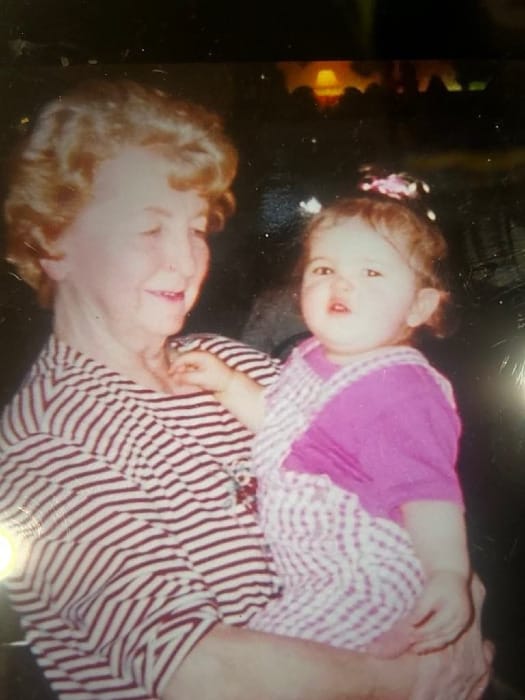
Corsetti was born in 1997, when DelRosario was 14 years old. Corsetti’s father at the time was 31. DelRosario said that her grandmother, a lifelong “hotdog lady” at Sac’s Tasty Hotdog shack in Vallejo, raised them both.
That meant they were extremely close. But even so, Corsetti’s family described her as shy and reserved. “She just would never let us know what was going on,” DelRosario said.
Corsetti was a creative individual who wrote raps and liked to draw. But her family said she also struggled with fentanyl addiction. She had gone to rehabilitation centers several times in her life and was arrested for misdemeanor drug possession in 2023. In her diary, she wrote about navigating her court appearances.
Corsetti also had unhealthy relationships in the past, DelRosario said. DelRosario felt responsible for “anything that was bad happening to my daughters [in relationships] because they're doing what the fuck they've seen, period,” referring to her own history of abusive relationships.
Corsetti started her diary in July of last year while she was going through a court-mandated Christian drug rehabilitation program in Woodland. Her writing during that period was full of positivity, with pages full of future plans, goals and ambitions.
Her summer goals for that year included, “tan, workout, enroll in school, tattoo removal, teeth whitening.” On the following page are her affirmations, “prove yourself 2 yourself 4 yourself” and “love yourself like you love your sisters and mother.”
During her time at Woodland, she wrote that she was grateful to be alive and felt like her whole future was ahead of her.
“At times I feel behind in life because I've let my co-dependency problems AKA other people bring me down with them,” she wrote on July 27. “Although I have God on my side and my intentions are always good! I make the best of every/any situation so therefor Im always #winning! Period! I know myself, true to myself! Always trying to be the best version of ME!”
“As I started to get help, counseling, therapy, rehab.. I started learning that there is hope,” she wrote on Aug. 25.
Corsetti also sought to break her romantic patterns. “Goodbye toxic relationships!” she wrote in an undated entry from 2025. “I learned so much about myself, what I deserve and what I won't tolerate ever again. I learned to notice the signs of mental, emotional, physical abuse.. That will not only help me choose better people to let into my life, but will allow me to help others who don't know any better.”
On Nov. 15, Corsetti got a call from her attorney, who said her case had been dropped and that she was free to leave the program.
“I could leave the program early but I'm not going to do that because I want the timing to be what I had planned for. Plus if I graduate it will look good for that other case that I’m fighting,” she wrote. “Most people I know would have got that call and instantly left, because now I don't have to be here.. But in my head, I do have to be. It's a part of my goals and I need to get used to seeing my goals all the way through.”
Corsetti moved back into her mother’s house ten days later, five months to the day since she’d used drugs, she wrote.
In the days following her return, she frequently wrote that she needed a job and dropped off her resume at local businesses, including the Olive Garden and Noonie’s Place.
“I do wish I had more real friends and real help,” she wrote on Jan. 2. According to her mother, she started using drugs again around then and moved out in mid-January.
Corsetti wrote about her gambling habit, how he hasn’t been eating well, loneliness and boredom. Her writing became more erratic, messy and grim.
“I’m going through one of these in-between stages,” Corsetti wrote in February.
She first mentioned her “new boo” in February, referring to Tamayo. “He's so different and we work so well together,” she wrote.
“I also know now that I can't put all my faith into a relationship,” she wrote. “I have to make sure that I'm good no matter what.”
A month later, she was already writing critically about the relationship. “Today Rob probably realized that I am not playing.. I hate feeling like I'm not enough,” she wrote.
In March, Corsetti wrote that she was no longer talking to her mother. DelRosario said that her relationship with her daughter got rocky in part because she did not like Tamayo and did not want him around. “She keeps calling me talking shit about [Tamayo],” Corsetti wrote.
Corsetti wrote on March 8 that she felt like she was “searching within or externally for that person or thing to fill this empty hole I have in my chest.”
“I think that I'm always going to have that [because] I've done so much damage to my life that I can't take back,” she wrote. “I've used people and helped them destroy their life in order to benefit mine. When I think back on the people I've done that to, it hurts so badly I wish I could go back.”
"Sometimes it's easy for me to forget that I can't rebuild a life in just a few months,” she wrote.
Corsetti turned 29 on March 20. She called this in-between period of her life “a little bump in the road,” and was looking forward to a new chapter. At the same time, her relationship with Tamayo seemed to have grown worse.
In a text message to Tamayo and in diary entries, Corsetti said that Tamayo had purposefully sabotaged her car so she couldn't use it and frequently kicked her out of the house, seemingly to punish her.
On April 1, Corsetti sent Tamayo a long text.
“I SHOULDA STAYED SINGLE I SHOULDA STAYED AT MY MOMS,” she wrote “I’VE BEEN THROUGH ALL THIS SHIT BEFORE-AND IM COOL I DONT WANT IT.”
“I thought you were different and I still try to believe you but you say whatever just to get me where you want me,” Corsetti wrote.
DelRosario, who met Tamayo several times, said Tamayo “wouldn’t let her go anywhere alone” and was “very possessive." And if he didn’t get her way with her, he’d cause a scene.
On April 16, Corsetti wrote that she had a mental breakdown after getting upset with herself for accepting "the bare minimum" and letting "Mf's play with me like it's good."
“Ive been putting a lot of attention on my relationship that is actually turning out to be confusing and unpredictable.” Corsetti wrote on April 17. “Nobody wants to be with someone that makes them feel insecure.”
Her last diary entry is dated April 27, three days before her murder. “I've been trying to keep a positive attitude and I really want to sell my car and go see my mom," she wrote.
Corsetti’s murder and Tamayo’s arrest
The night before she was murdered, Corsetti messaged her mother and asked her to pick her up at Tamayo’s house the next day. DelRosario wanted to see her daughter right away, and went there that night to bring her Panda Express for dinner. That’s when she saw Tamayo and his roommate with guns. She asked her daughter to come home with her, but Corsetti decided to stay.
“If she's out there and she calls me for help,” DelRosario said, “I'm not just gonna wait till tomorrow.”
Corsetti never made it back to her mother’s house. The next day, Tamayo allegedly shot her while she was hanging out in her friend's car parked on Sutter and Indiana streets.
Police said in a press release that “an adult female suffering from at least one gunshot wound had been transported to the hospital and dropped off by an unknown individual.”
According to Corsetti’s family, her friend took her to the hospital, where she died shortly after. DelRosario said she did not find out her daughter had died until the next morning.
When she saw her daughter’s body at the morgue, DelRosario said that the shot was so close to her body that the muzzle blast ruptured Corsetti’s skin from within, “because he pressed up so hard,” she said.
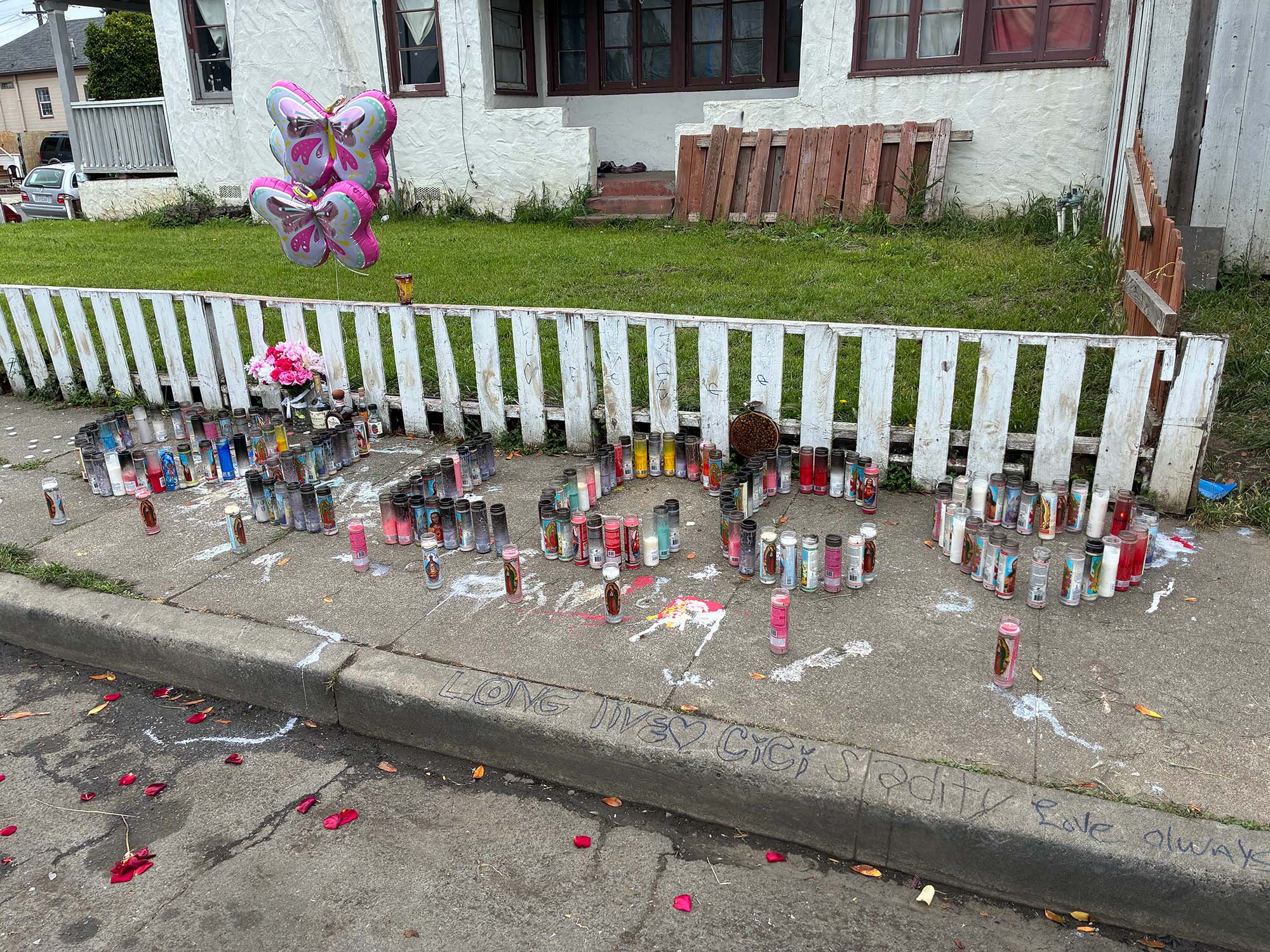
Shortly after Corsetti’s death, Tamayo wrote a post on Facebook that laid blame on the driver. "Daddy finnah handle fosho and I noe u wouldn't like to but the mf took damn near my life as well," he wrote.
“Told ya ass to quit leaving without letting me know,” Tamayo wrote.
Tamayo later called DelRosario and also told her that it was the driver who shot Corsetti, but also admitted to being angry and holding the driver at gunpoint. DelRosario asked Tamayo why the driver would have shot Corsetti and then taken her to the hospital. Tamayo told her he believed that the driver was enabling Corsetti’s drug habit.
DelRosario did not believe Tamayo’s story, nor did the district attorney’s office, which charged Tamayo with Corsetti’s murder on May 7, records show.
“He thought he was gonna be able to say somebody else did it before the police got hit him and carry on with his life,” DelRosario said. “You really thought you were gonna put that off on somebody else and just go about as you please? Carrying around a gun so nobody says nothing to you?”
Soon after the murder, a friend of Corsetti’s approached DelRosario and told her that Tamayo had been texting her, asking her to hang out. DelRosario took the friend’s phone and pretended to be her.
On May 19, Vallejo police called DelRosario and told her to watch her back because Tamayo had shot another man.
The victim was shot on the same block where Corsetti was killed at 4:28 a.m., according to police. DelRosario said she believed that Tamayo was looking to kill potential witnesses.
DelRosario did not cower from the warning. “Let me help,” she responded instead, “I can get him, for sure.”
She told police to wait for him on Curtola Avenue and Sonoma Boulevard. She’d take care of the rest.
“They [the police] didn't believe me at first, and then they called me back and they said, ‘All right, let's do it,’” DelRosario said. “It was just a matter of messaging him. He came straight to where I told him.”
She texted Tamayo asking for a ride. She told him that she was hot and sweaty from the heat and needed a place with air conditioning. Tamayo responded, “I got air conditioning in my room too, mama.”
DelRosario was sickened by it, but she kept the act, knowing he’d fall for it.
Tamayo showed up right where she told him to be. Of course, neither DelRosario or the woman she was impersonating were anywhere nearby.
With help from a California Highway Patrol helicopter, Vallejo police located Tamayo. Police chased his car to Chico Street and Beverly Drive in South Vallejo, where they deployed spike strips to disable his car, police said.
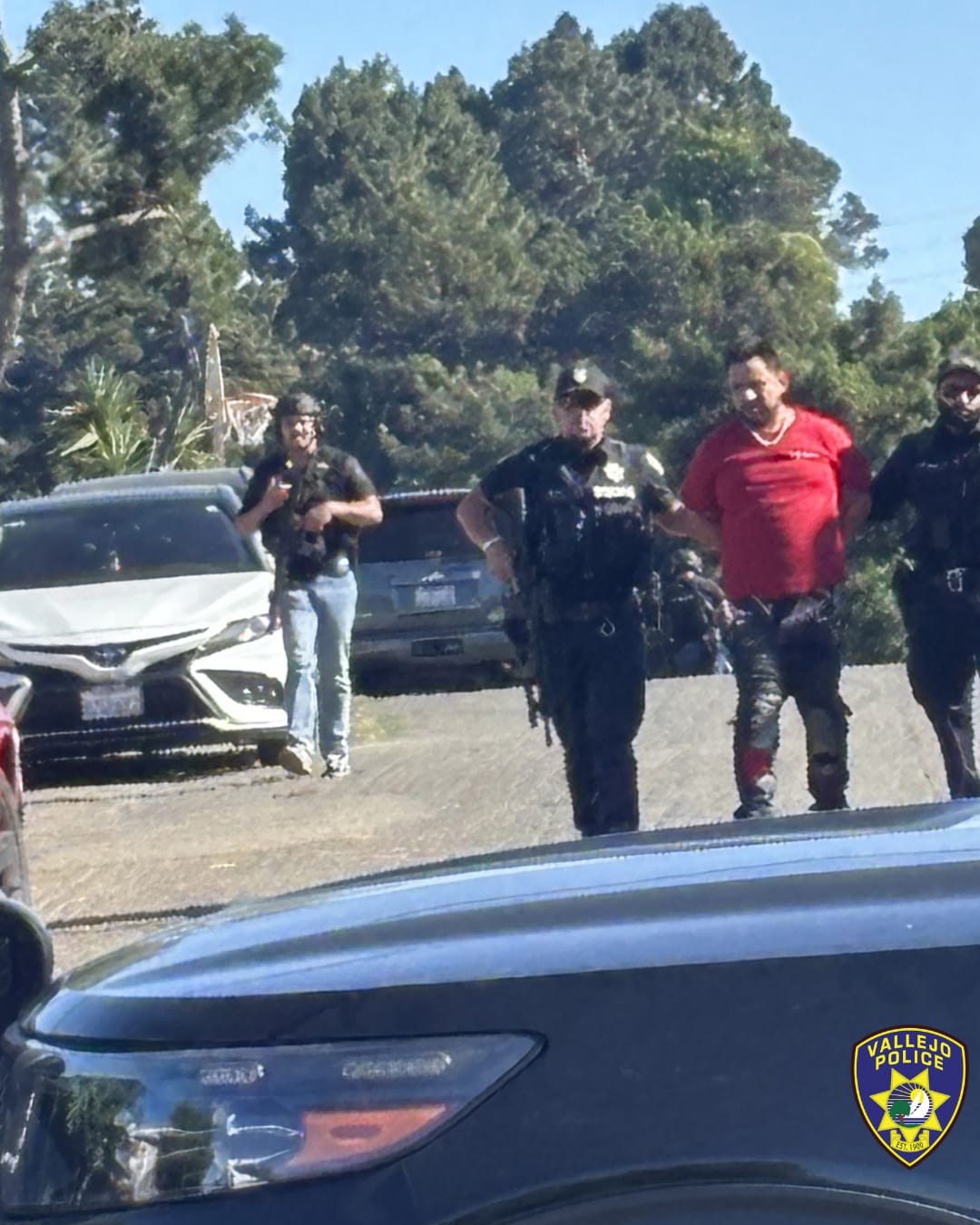
According to police, Tamayo then fled on foot. Police set up a perimeter and quickly found and arrested him hiding outside a home.
Catching her daughter’s killer was gratifying, said DelRosario, but it won’t bring her back.
She tried calling Tamayo in jail several times. She’d like to tell him, “you really thought you were going to get some pussy and you got pinched and went to jail for my daughter's murder, you stupid motherfucker.”
Help for Domestic Violence in Vallejo is limited
Corsetti’s story fits a tragic pattern that often traps victims of domestic violence, with potentially deadly results. Corsetti was vulnerable from her own drug use and a history of abuse in her family. She found herself in an isolating and controlling relationship. Leaving became dangerous and finding support was difficult.
When assessing a victim of domestic violence, law enforcement conducts a lethality assessment plan, an 11-question verbal assessment that determines whether someone is at high risk of lethal violence by their intimate partner.
For example, having been strangled by an intimate partner is a strong indicator that the victim may be murdered by that same person, as is access to firearms.
If someone flags one of the lethality assessment plan questions, law enforcement needs to connect the person with resources for victims of domestic violence.
It’s unclear whether police connected Corsetti with resources after she was arrested a month prior during a domestic dispute.
According to Brownrigg, it's not clear what happens with individuals flagged as “high risk” in Vallejo, where they are being referred and who is following up.
“Who in VPD is there to make sure that it gets to the advocate to follow up within 24 hours?” she said.
Vallejo police spokesperson Sgt. Rashad Hollis did not respond to emails and phone calls to request comment and ask questions for this story.
She said Vallejo police often refer victims to resources in Fairfield, where the county operates a Family Justice Center. The distance can be a barrier for victims in Vallejo.
“If someone's in crisis and they have to drive 16 miles to Fairfield and they don't have the emotional stability to do so, the financial means to do so, they'll just say forget it and go back home to the abuser,” Brownrigg said.
For example, Corsetti wrote in her diary that Tamayo had deliberately sabotaged her car so as to control her movements.
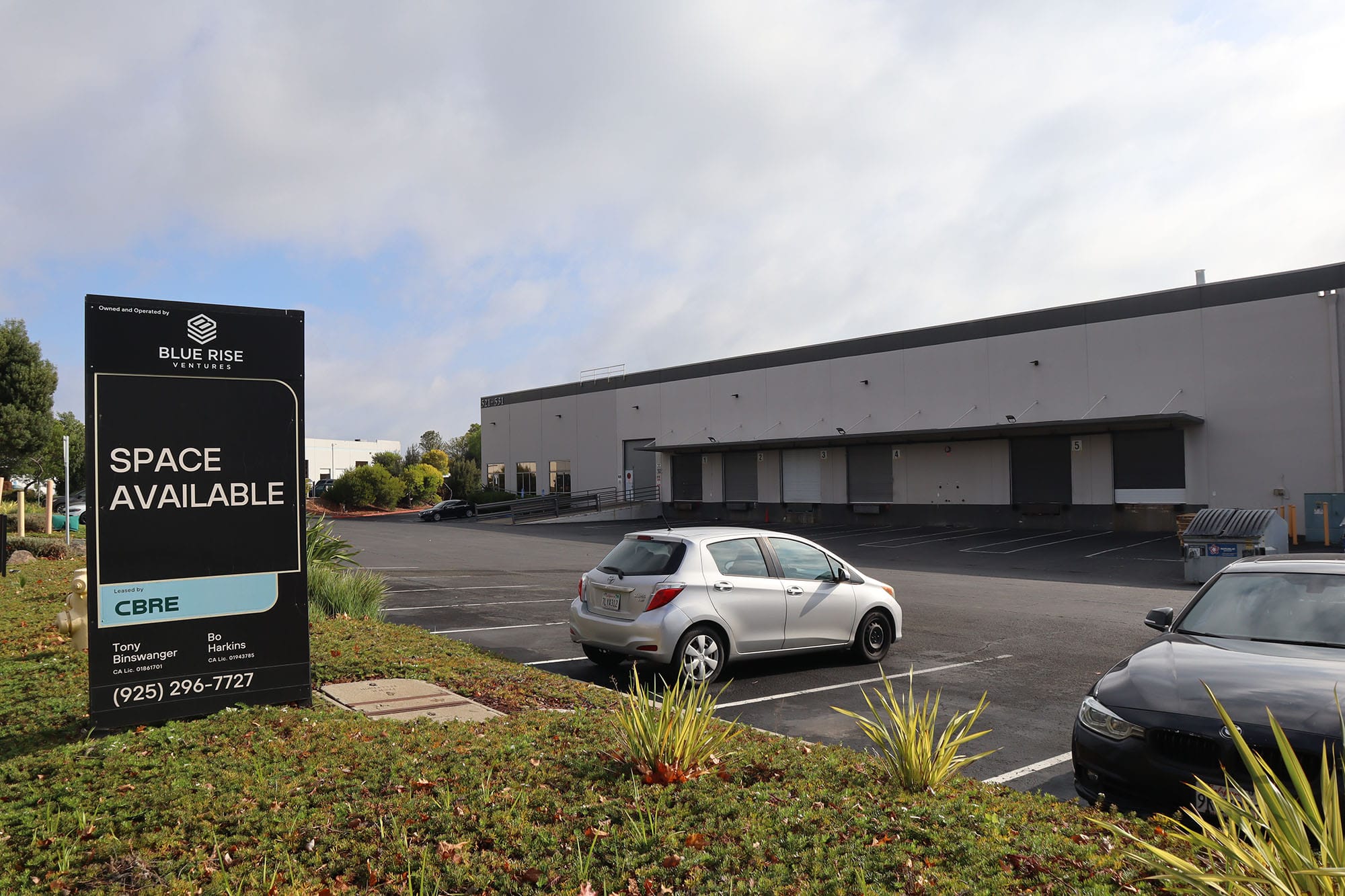
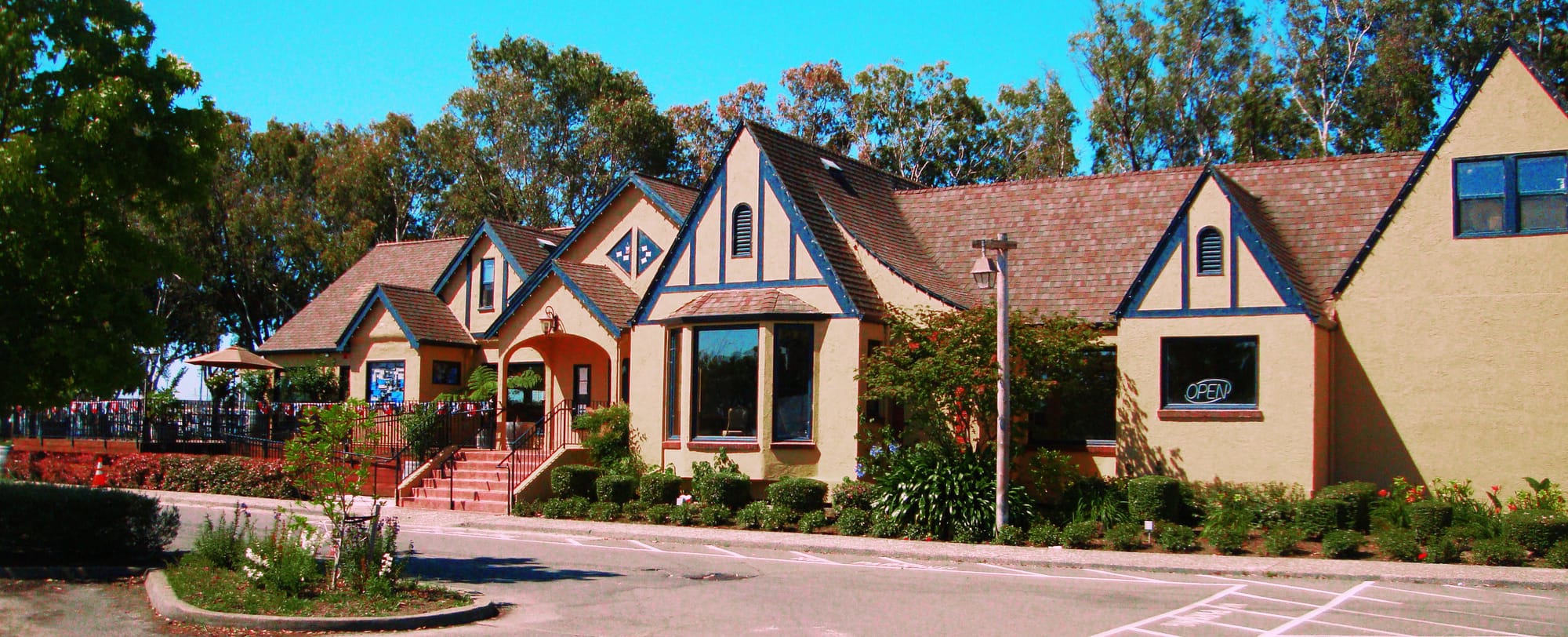
VEST relocated from Fairfield to Vallejo after realizing that there were no services for domestic violence locally to address the problem.
Bringing a center for victims of domestic violence to Vallejo is a step in the right direction, but more effective solutions can still be implemented, Brownrigg said. She said that the next phase should involve hiring what she calls “community advocates,” staff trained to respond directly to these types of calls.
They would work in the same way that IHART responds to mental and behavioral health crises in Vallejo or how the recently-launched VISION program is tasked with identifying and intervening with those at highest risk of gun violence. IHART has been praised by city and police officials for their effectiveness and reducing the police’s call-load in a cost-effective way.
Brownrigg said many good conversations have already happened around needed solutions. Now, it’s time “the needle moves forward” on them, she said.
Independent local news depends on you
The Vallejo Sun is supported by readers who value reliable, in-depth local news. Your support helps us continue investigating important issues and keeping Vallejo informed.
Become a member today