BENICIA – The city of Benicia is considering taking on $700 million in projects to prepare the port of Benicia to serve the off-shore wind industry or other modern maritime needs.
The City Council received a progress report on Tuesday, which included an assessment of the existing infrastructure, an analysis of the demand for port facilities and an examination of necessary improvements related to decarbonization and resiliency.
Michael Vanderbeek with the engineering consultant group GHD presented a list of capital improvements intended to develop the port to handle more diverse cargo and ensure its continued operability.
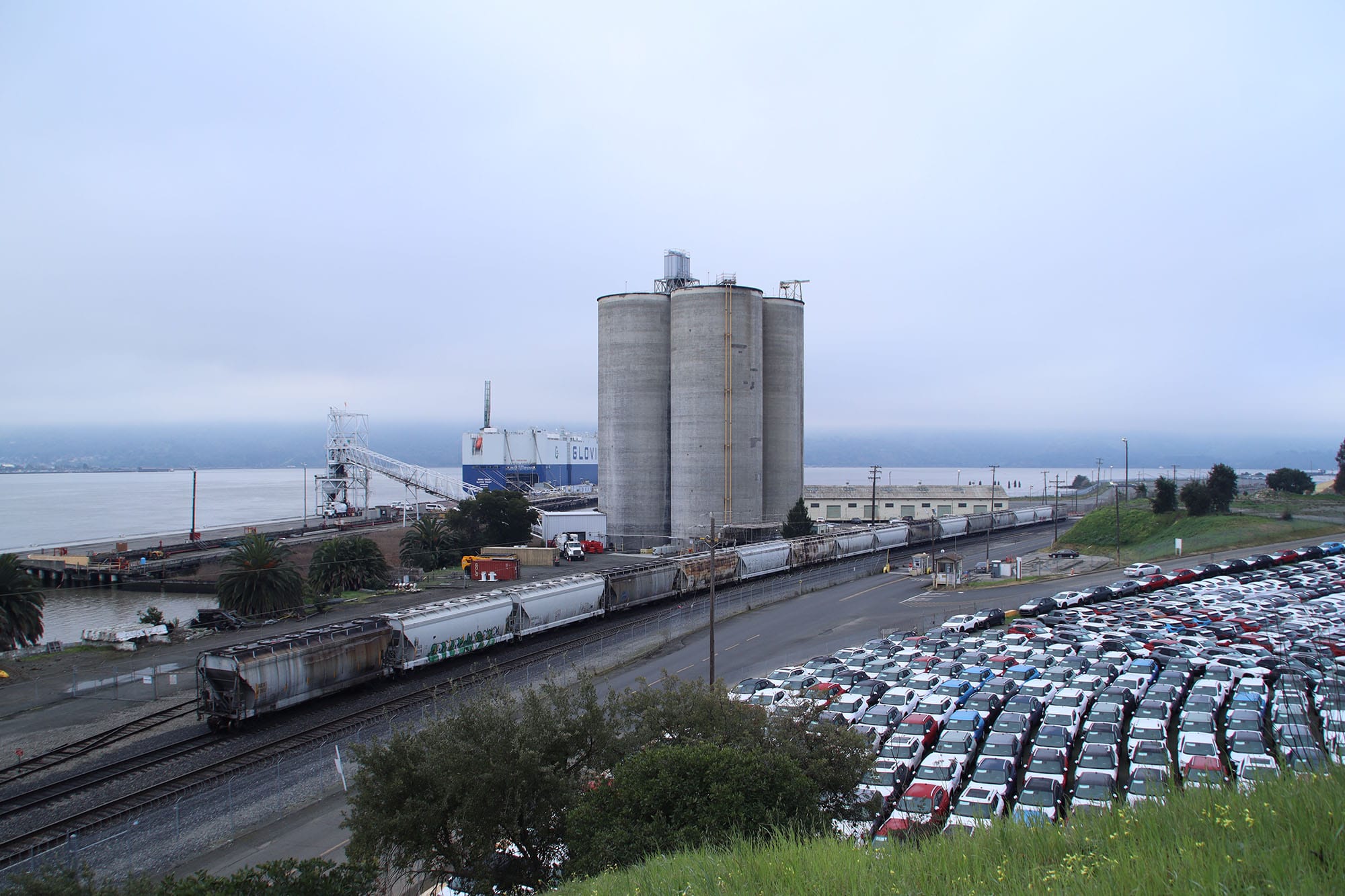
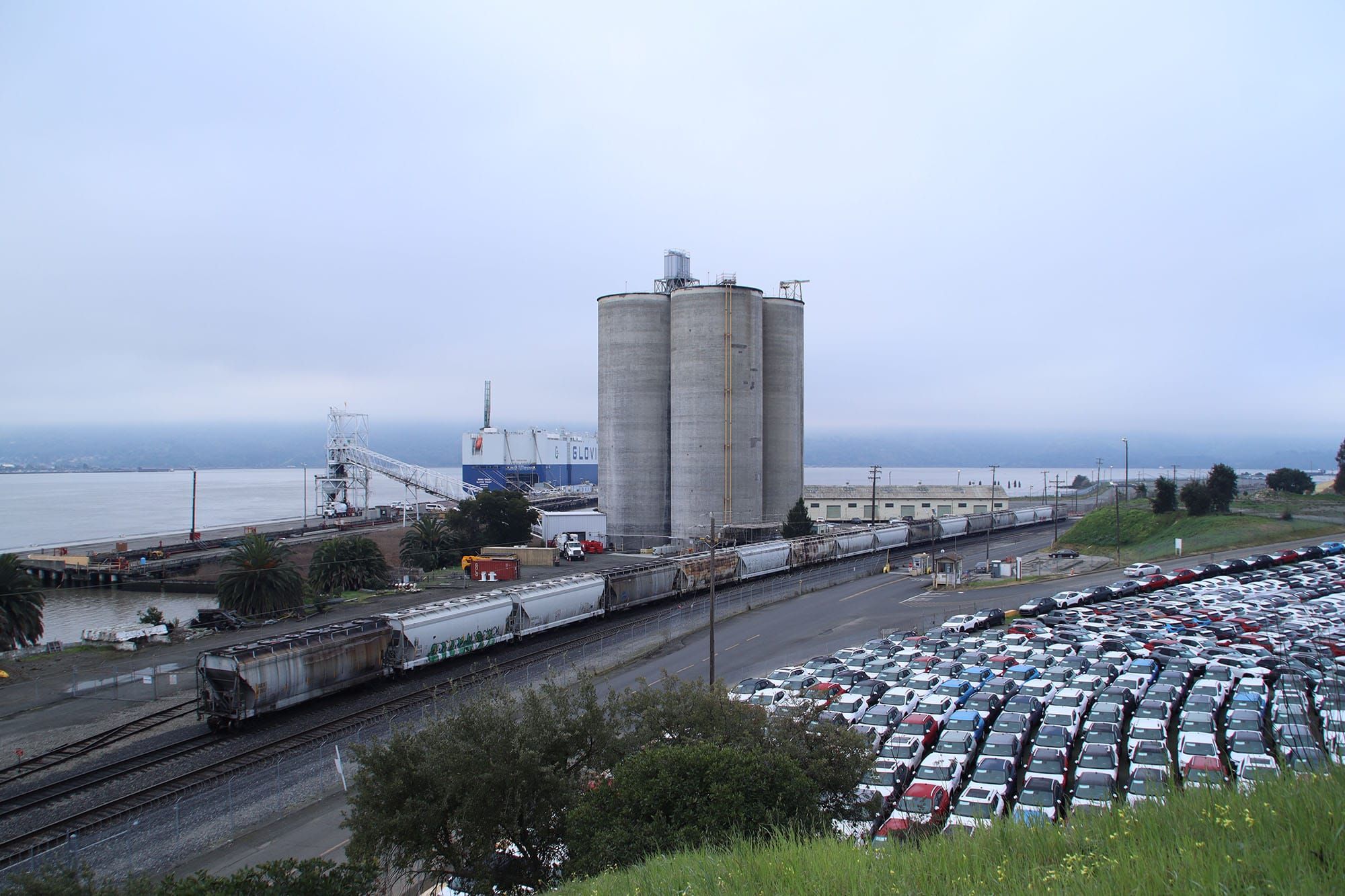
The port is currently leased to the logistics company Amports which operates 13 maritime facilities and transportation hubs in the U.S. and Mexico. The company’s primary operations involve importing cars which are loaded onto trucks and distributed to dealers.
The port is also used as a bulk terminal to ship the petroleum byproduct petcoke, which is produced by the Valero refinery. However, when Valero ceases operations as expected later this month, petcoke shipments will stop.
The port of Benicia is unique in California in that much of the land is privately owned by Amports, except for the tidal areas and the berthing pier, which is owned by the city. Amports holds a 66-year lease for the shoreline and facilities which is up in 2031.
Although Amports owns the land surrounding the port, the end of the lease term creates the opportunity for Benicia to negotiate a new arrangement that may involve diversification of the port’s existing uses.
In 2019, the Metropolitan Transportation Commission and the Association of Bay Area Governments designated the Port of Benicia and the nearby industrial park as a Priority Production Area due to the location’s access to freeways, rail and maritime transport. In 2023, the agencies awarded the city of Benicia a $750,000 Priority Production Area grant to prepare a facilities, infrastructure and modernization plan for the port.
The city selected GHD to conduct the planning work. The progress report presented at Tuesday’s meeting marks a mid-way point in the process. The remaining work includes recommendations to update zoning and other regulations related to the port and the surrounding industrial properties, an environmental review and a final plan that will identify potential funding opportunities for the port improvements.
The list of improvements includes rebuilding sections and expanding the pier to accommodate three ship berths and their service vessels. A portion of the pier was replaced with concrete pilings after a fire in 2022. The plan calls for replacing the remaining wooden pilings with concrete pilings that will increase the weight limit and allow for unloading of heavy equipment cargo.
As part of statewide decarbonization efforts, the plan calls for a shore power system that will allow vessels to hook up to electrical service instead of using on-board generators to power the ships while in port. Currently, state regulations require service vessels to collect exhaust while ships are in port to reduce port emissions. Although the shore power system requires extensive infrastructure and coordination with PG&E, it can reduce emissions and costs by eliminating the need for emissions collection.
The port’s existing seawall and levees will also need to be raised to accommodate sea level rise because significant portions of the port's land area is at or below sea level. However, that is listed as a lower priority that can be advanced along with the latest estimates for sea level rise.
The project list also includes improved stormwater drainage infrastructure, excavation and fill of certain areas to expand the usable land and a number of local roadway improvements that will create safer and more efficient truck routes to and from the port.
The 19 proposed projects total $692 million and would begin in 2028, according to the plan.
However, the plan may not have a direct tax benefit for the city. Mayor Steve Young said during a December meeting that basically the only revenue that city of Benicia receives related to Amports’ activities at the port are property taxes for the company-owned parcels.
“When we talk about putting public dollars into road improvements or electrification, I think it has to be taken with the caveat that a new lease might have a different financial structure that might justify use of public resources better than it currently exists,” Young said.
On Tuesday, Vice Mayor Trevor Macenski directly asked Vanderbeek if the port is a good investment for the city.
“Would you spend $700 million supporting an industry or an operator that doesn't provide any significant financial contribution in the city?” Macenski said.
“I don't think anybody would spend $700 million on a project without getting something out of it,” Vanderbeek said. “In my experience – all ports are different; the operating arrangement, the land ownership – but there's typically a win-win scenario somewhere in there. What that looks like in this case is to be determined.”
The scope of the planning project was laid out before Valero notified the city that it would idle the Benicia refinery. The company has yet to announce plans for decommissioning or sale of the facility which has a separate liquid bulk terminal just north of the port. Vanderbeek said that GHD has since adjusted the plan to consider the possibility of converting the Valero terminal to handle refined products instead of crude.
The plan also highlights the port’s potential to support California’s nascent off-shore wind energy industry that is part of the state’s plan to generate power from 100% renewable energy sources by 2045. The Trump Administration has rescinded wind energy leases off the California coast and terminated federal grants for coastal infrastructure to support offshore construction, but the state’s energy commission is moving forward with the plans in anticipation of future policy changes.
According to the planning documents, the Port of Benicia would be best suited for a manufacturing and fabrication site for the off-shore wind project rather than a staging area for construction or an operations and maintenance site because of the port’s distance from proposed wind lease areas.
Converting the port to accommodate a manufacturing process for wind turbine components would require additional investment funds ranging from $290-$325 million and would require partnership with an original equipment manufacturer as well as an agreement with Amports to use landside parcels, according to the plan.
Vanderbeek said that he expects the draft environmental review documents covering all the identified projects to go out for public comment in June or July. The final draft of the plan along with recommendations on plan activation and funding support will be complete by September, he said.
THE VALLEJO SUN NEWSLETTER
Investigative reporting, regular updates, events and more
- business
- government
- Benicia City Council
- Port of Benicia
- GHD
- Valero
- Amports Inc.
- Metropolitan Transportation Commission
- Association of Bay Area Governments
- Trevor Macenski
- Steve Young
- Michael Vanderbeek

Ryan Geller
Ryan Geller writes about transitions in food, health, housing, environment, and agriculture.
follow me :