VALLEJO – The Vallejo City Unified School District is seeking to improve infrastructure across its campuses and may seek to extend a school bond tax in order to fund them.
That would include bringing Vallejo elementary schools that were largely built in the 1940s, 50s, and 60s up to 2026 standards.
To do so, the district may ask voters to pass an extension of a 2018 property tax, which has required property owners to pay $75 per year for every $100,000 of assessed value, scheduled to sunset in 2027.
Superintendent Rubén Aurelio said in an interview that he wants the district to thoroughly modernize a handful of schools in the coming years.
“Let’s give our community something to be really proud of, where our families say ‘I want my kid to go to that school because that school’s beautiful,’” Aurelio said.
In addition to visual appeal and comfort, Aurelio said construction and renovations could open up new educational opportunities. He floated the ideas of constructing kitchens that could be used for culinary arts programing, repair shops for auto-mechanic classes, and creating and improving spaces for visual and performing arts.
Aurelio said there are a lot of possibilities for infrastructure improvements, and he wants the district to be involved with projects that interest the community, so the community will get an opportunity to share ideas and give feedback in the coming months.
“We can dream things, but the parents are the clientele so their input is key,” Aurelio said. “We want to be sure we’re building things that engage the community and get them excited about supporting the school district.”
The district is organizing its plans for infrastructure improvements through its Facilities Master Plan, a project that started in 2013 which is financially backed through a mixture of voter approved bonds and state funding. The district is legally required to spend these dollars on infrastructure and is barred from spending them on staffing.
Vallejo’s school board is scheduled to approve its Facilities Master Plan in August. Before then, principals at each campus are required to chair and organize site committees, made up of staff, students and parents. The site committees must meet twice for the purposes of organizing and presenting input to the district.
The district also plans to organize at least two community forums where district leadership will present the Facilities Master Plan process, and plans for different school sites. Community members will both be able to share feedback at these meetings and ask questions.
During a study session in late February, planners from Quattrocchi Kwok Architects, a Santa Rosa based company that works with the district, gave an overview of projects they had already completed. These largely involved efforts to keep schools warm, safe and dry through installing new HVAC units, repairing and replacing roofs, and renovating bathrooms.
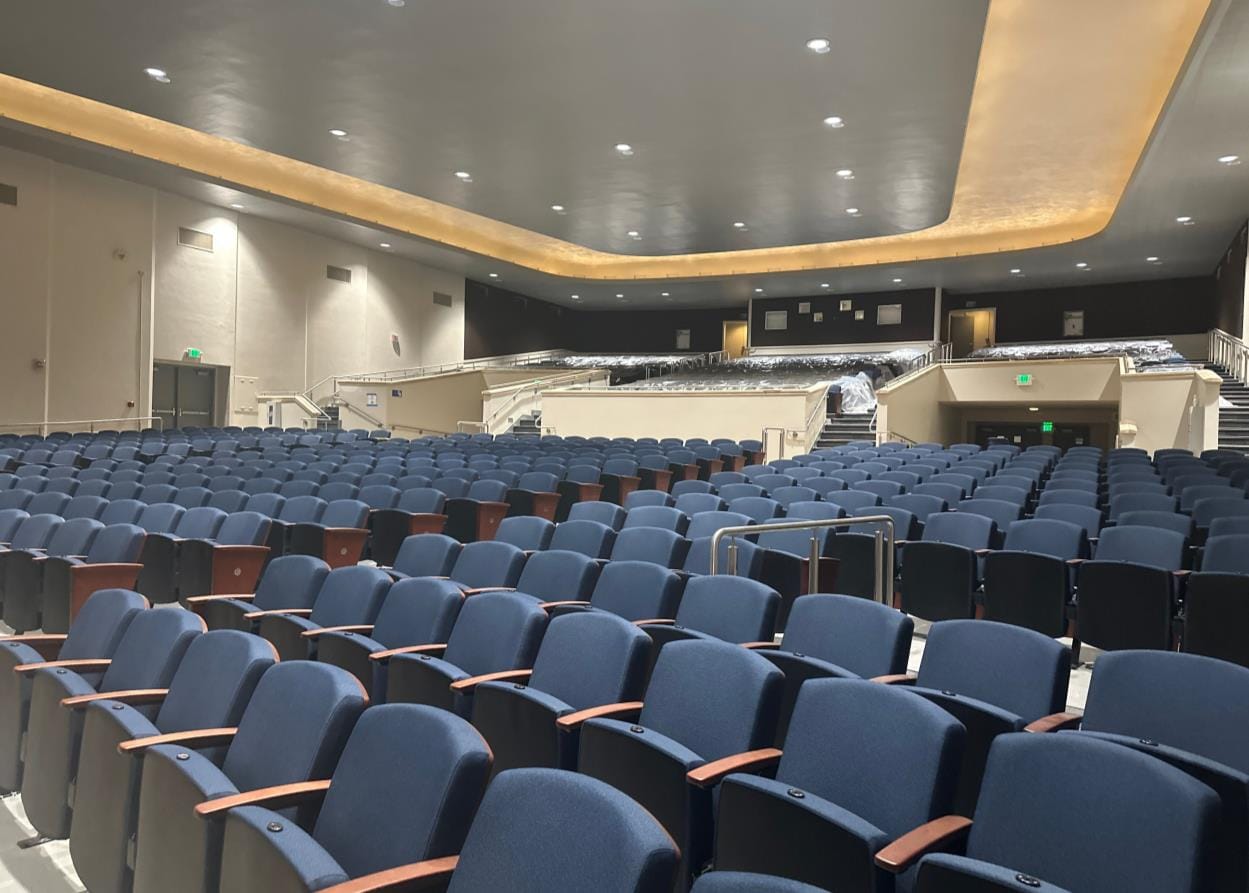
Other completed projects included improving and replacing play structures at 10 elementary schools, modernizing Hogan Middle School’s auditorium to improve its sound system, acoustics, seating and accessibility, and resurfacing Corbus Field at Vallejo High School. The board also got an update on projects still in the works, including improvements to athletic fields at Jessie Bethel High school.
All the completed and in-progress infrastructure projects were funded in large part through funding from Measure S, a property tax measure passed by 70% of Vallejo voters in 2018 which brought in $194 million dollars to the district.
To continue its infrastructure work, the school district is considering a new ballot measure which would ask voters to extend the tax, which is set to sunset in 2027, for another 30 years. The district estimates that extending the tax would bring in over $200 million for facilities without asking taxpayers to pay more than they currently do.
In January, Jeff Pickett, from Isom Advisors, a company that provides financial advice to school districts, and Jeremy Hauser, from TeamCivX, an election strategy and communications company, asked the board to approve a resolution that would allow them to conduct a survey to assess Vallejo voter support for extending the tax in November’s election. The board voted to approve the resolution, although directors Latyna Young and Carlos Flores voted against it.
Young cited the estimated $50,000 price tag for the survey and hesitancy to extend the tax before casting her “no” vote.
“I have a problem with doing research and asking [voters] in November to do something like this,” Young said. “We’re cutting salaries; we’re closing schools, and then we’re going to ask them to do something in November? I have a big problem with that because I am a taxpayer in this district.”
In order to place the bond measure on the ballot, four out of five board members will have to approve it. For it to pass, the measure will have to get 55% or more “yes” votes.
Aurelio said he believes that, as time has passed, Young and Flores have come around on the idea of exploring placing the bond measure on the ballot for the November election. During the study session, the board discussed various future projects that could be considered in the Facilities Master Plan, several of which Young and Flores voiced support for.
The board also discussed improving security measures. Trustee John Fox said that he wanted any improvements to take into consideration copper theft, which is common in Vallejo and its schools in recent years. Last year, Solano Widemann Leadership Academy had to close for over a week after it lost power when thieves stole copper wiring from the school.
“Since we’re a target in the Bay Area for copper theft,” Fox said. “I want to make sure that we make it so they can’t come to us anymore.”
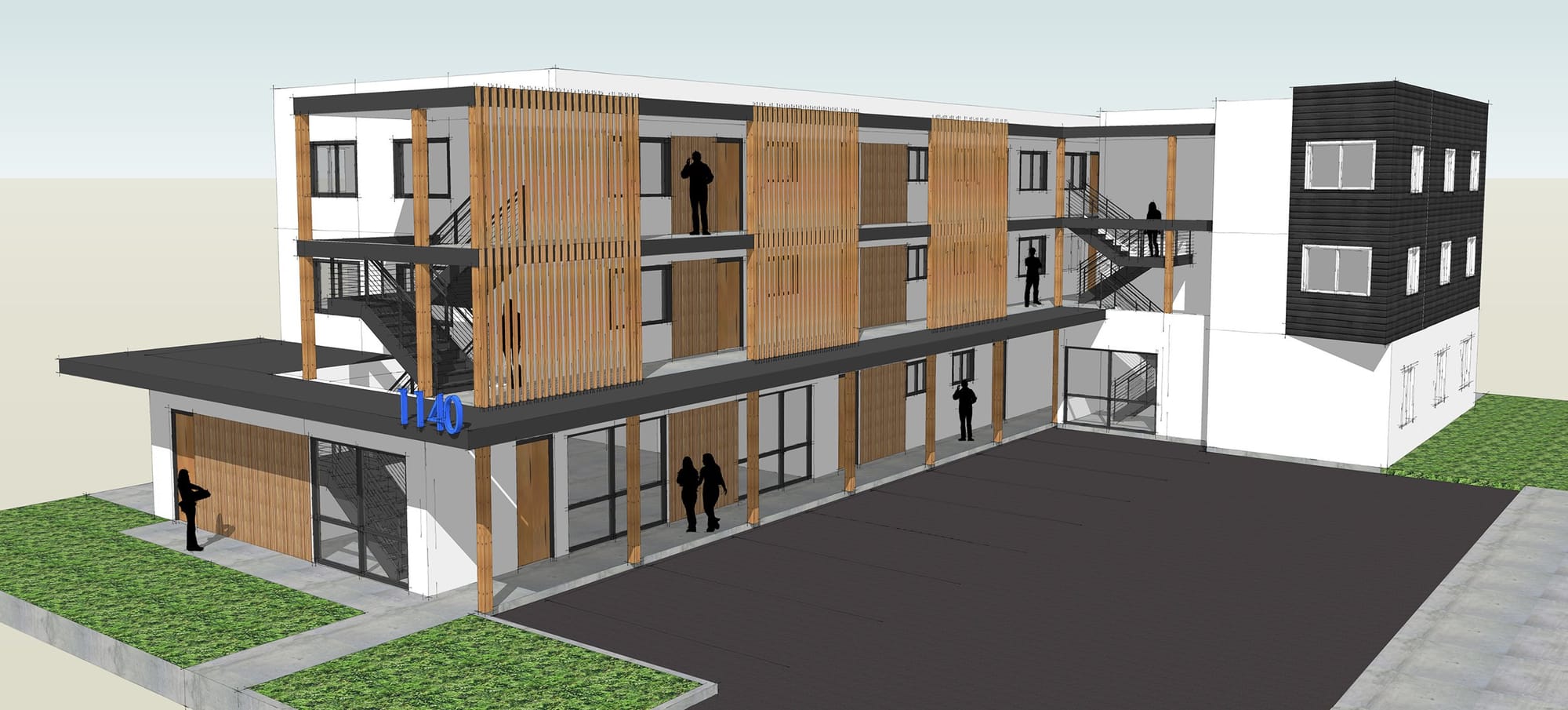
Another idea floated was affordable workforce housing for school staff, which both Young and Fox voiced approval for. Citing UC Berkeley, Young said that local universities have workforce house programs and “Vallejo should be able to do the same thing.”
The district currently estimates that it has roughly $971 million in projects it would like to finish or take on for its facility improvements. Aurelio said that neither existing nor potential new bonds in the near future will provide enough to do everything, so he wants community input as to what the district should prioritize.
“We love having the community stay engaged to try to make Vallejoan’s proud of Vallejo schools,” Aurelio said.
If the bond measure does go to the ballot, and voters approve it, Aurelio said he thinks the district will be able to do more facility improvements quicker.
“You can make a plan but if you have no money to enact that plan, you have to wait,” Aurelio said.
Before you go...
It’s expensive to produce the kind of high-quality journalism we do at the Vallejo Sun. And we rely on reader support so we can keep publishing.
If you enjoy our regular beat reporting, in-depth investigations, and deep-dive podcast episodes, chip in so we can keep doing this work and bringing you the journalism you rely on.
Click here to become a sustaining member of our newsroom.
THE VALLEJO SUN NEWSLETTER
Investigative reporting, regular updates, events and more
- education
- Vallejo
- Vallejo City Unified School District
- Ruben Aurelio
- Quattrocchi Kwok Architects
- Measure S
- Jeff Pickett
- Isom Advisors
- Jeremy Hauser
- TeamCivX
- Latyna Young
- Carlos Flores
- Solano Widenmann Leadership Academy

Zack Haber
Zack Haber is an Oakland journalist and poet who covers labor, housing, schools, arts and more. They have written for the Oakland Post, Oaklandside and the Appeal.
follow me :