VALLEJO — In 2015, Dr. Jay Shubrook was looking to move to California to be closer to family when he received an offer from Touro University to create a diabetes program.
At the time, Shubrook, an internationally renowned diabetes specialist, was the director of clinical research and of the Diabetes Care Center at Ohio University. The opportunity, he said, was exactly what he had been looking for.
Shubrook then founded the Diabetes Research, Education and Management Team, known as the DREAM team, within Touro University California’s College of Osteopathic Medicine.
The DREAM team conducts diabetes-related research, provides clinical care for patients with diabetes and prediabetes, educates health care professionals on the latest treatments, and leads multiple community outreach programs focused on prevention and disease management. Nationally, the team has trained more than 1,000 coaches to carry out similar community-based work.
Their community outreach efforts have focused on screening and education.
“Solano County, while it has very similar rates of diabetes compared to the state, has much higher rates of complications as related to kidney disease, ER visits, higher rates of childhood obesity and higher rates of physical inactivity,” Shubrook said. “Type 2 diabetes can be prevented with lifestyle, so this whole journey started with a diabetes prevention program.”
The DREAM Team community outreach includes the National Diabetes Prevention Program, a year-long program for people with pre diabetes; Success with Diabetes, a six-session program for people managing Type 2 diabetes; and the Pharm2Home Initiative, which focuses on caring for individuals with chronic diseases between medical visits.
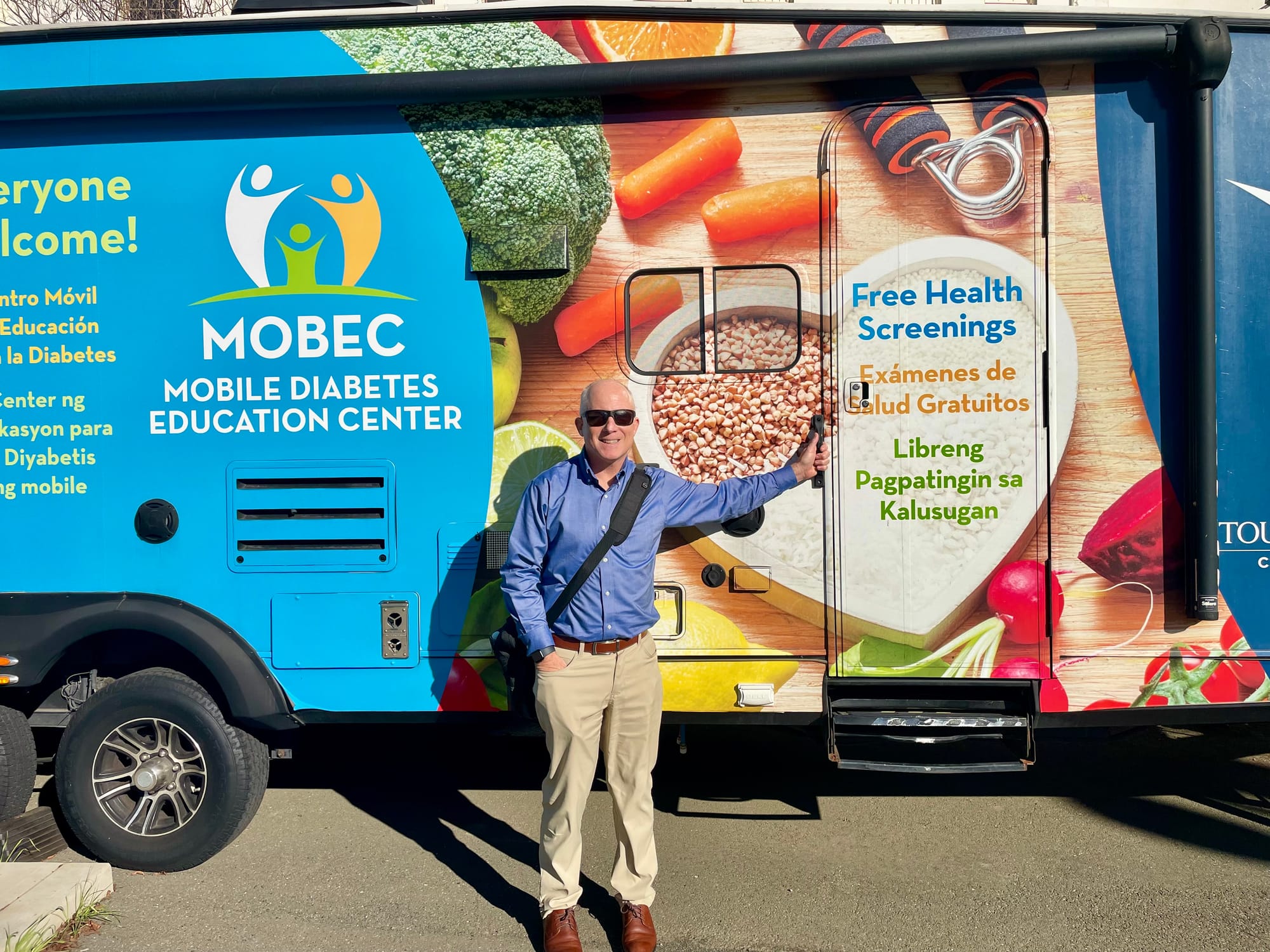
Yet, Shubrook realized that many people didn’t know about the programs they offered. “A lot of people were not accessing health care, maybe they didn't trust health care, maybe they couldn't afford it,” he said, “so we created the Mobile Diabetes Education Center, which is our large van that goes into the community.”
The MOBEC van travels through Solano County and offers free diabetes, blood pressure and depression screenings, as well as education and resources.
The team also deploys without the van, visiting locations where people already gather, including places of worship, senior centers, apartment complexes, businesses and adult education programs. “We have 93 community partners in Solano County, so we often come by invitation, and we co-host programs,” Shubrook said.
These screenings are critical. One in three adults in the U.S. has diabetes and eight in 10 people with the disease don’t know they have it. In California, more than half the residents have a family history of diabetes, which is a risk factor.
And in Solano County, Shubrook said, “many families are just one surprise away from being unsettled. Living in constant stress affects all aspects of your life. Maybe you're buying cheaper foods that are caloric dense, maybe you're not sleeping well or you can't walk because you're not safe. Those things really add up to setting someone up for being at very high risk.”
Since launching in May 2017, sponsored by Sutter Health Community Benefits, the mobile outreach has served close to 7,000 people.
“We found that there were very high rates of people who had prediabetes or diabetes but didn't know they had it, so we like to think that giving that information, particularly if we're giving education at the time, creates an actual opportunity,” Shubrook said.
Each event includes a certified diabetes education specialist and all the services are free. The team also connects people who had a positive screening to their free diabetes education classes and other resources. Classes are offered in several languages and adapted to different cultures.
Access to health care — especially subspecialty care — remains a challenge in Solano County, Shubrook said, as does distrust of the health care system.
“We have to rebuild the relationship between community members and health care teams,” he said. “If people feel like they're heard and understood and trusted, it's easier to stay in that long term therapeutic relationship.” Going where the community is to provide free services helps build that trust.
The mobile team often includes students. “We're a university, we believe in service learning,” Shubrook said. “I hope that it has a good impact on them, seeing the needs of the community and getting involved. I think a service mentality is important in health professions.”
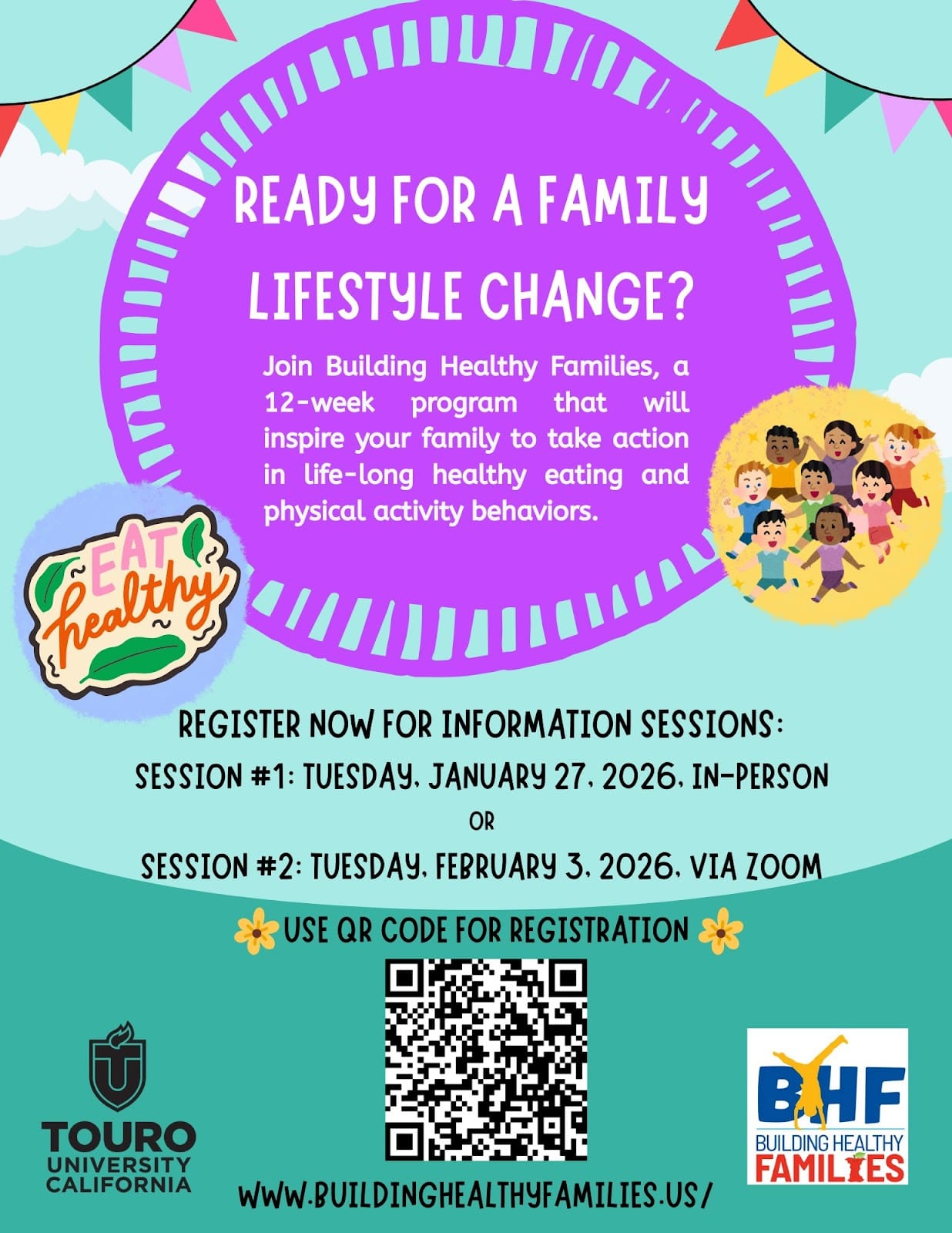
The DREAM Team also recently won a grant from the University of Utah to launch Building Healthy Families, a national program dedicated to preventing obesity in children, which is a risk factor for developing diabetes.
“When I started my medical training, Type 2 diabetes was an adult disease,” Shubrook said. “But because of our lifestyle and our genetics and our ultra processed food and our inactivity, we're now seeing children regularly with Type 2 diabetes, and we know that the younger you're diagnosed, the more rapidly the condition progresses, and the less likely you can respond to traditional treatments.”
The team is recruiting families who have children between six and 12 years old at risk of developing diabetes.
Families are encouraged to apply even if they are unsure whether their child qualifies. The team will conduct assessments. Children with a family history of diabetes, those who are overweight or obese, or those with related conditions such as fatty liver disease are eligible.
The free, year-long program involves the whole family and includes 12 weekly two-hour in-person sessions and 6 shorter refresher sessions.
“We work on healthy living, healthy activity, healthy eating, but we do it in a fun way, with games and toys and activities,” Shubrook explained. “We feed our members at every session because we think there is real community in eating together.”
The DREAM team has funding for two cohorts of 10 families each, one starting in February and another in the Fall. Dr. Shubrook hopes to offer training to other pediatric programs afterwards, so they can replicate it.
“Diabetes is not a death sentence,” Shubrook said. “No matter where you are in your path, there are steps you can take to live a happier, more fulfilling life that will be healthier. Get checked. The complications are much, much less if we do the work. And the work is a lot, so I don't think anyone should go it alone. Get the help you need.”
For more information:
Before you go...
It’s expensive to produce the kind of high-quality journalism we do at the Vallejo Sun. And we rely on reader support so we can keep publishing.
If you enjoy our regular beat reporting, in-depth investigations, and deep-dive podcast episodes, chip in so we can keep doing this work and bringing you the journalism you rely on.
Click here to become a sustaining member of our newsroom.
THE VALLEJO SUN NEWSLETTER
Investigative reporting, regular updates, events and more