FAIRFIELD – In 2021, the Solano County Civil Grand Jury issued a scathing report of Solano County’s Family Justice Center, a space for victims of intimate partner violence to access resources. It found numerous problems with how the office handled victim outreach and services, saying it offered too few services and had inadequate space for the center’s programs.
The Family Justice Center opened in 2011 with the goal to connect victims of domestic violence with law enforcement and community-based resources, offering confidential needs assessments and partnering with nonprofits for referrals.
However, under the management of the district attorney’s office, it consistently failed in its core mission. The county civil grand jury report stated that the Family Justice Center’s space was inadequate for victim privacy, it offered too few services and was a drain on the county budget. It was the second time in four years the civil grand jury had criticized the center.
The Alliance for HOPE International Family Justice Center Alliance, which provides technical assistance and affiliation for Family Justice Centers and multi-agency models, told the Solano County Board of Supervisors during a December 2021 meeting that the Solano center did not meet the standards of what a family justice center is and did not comply with the definition in state law.
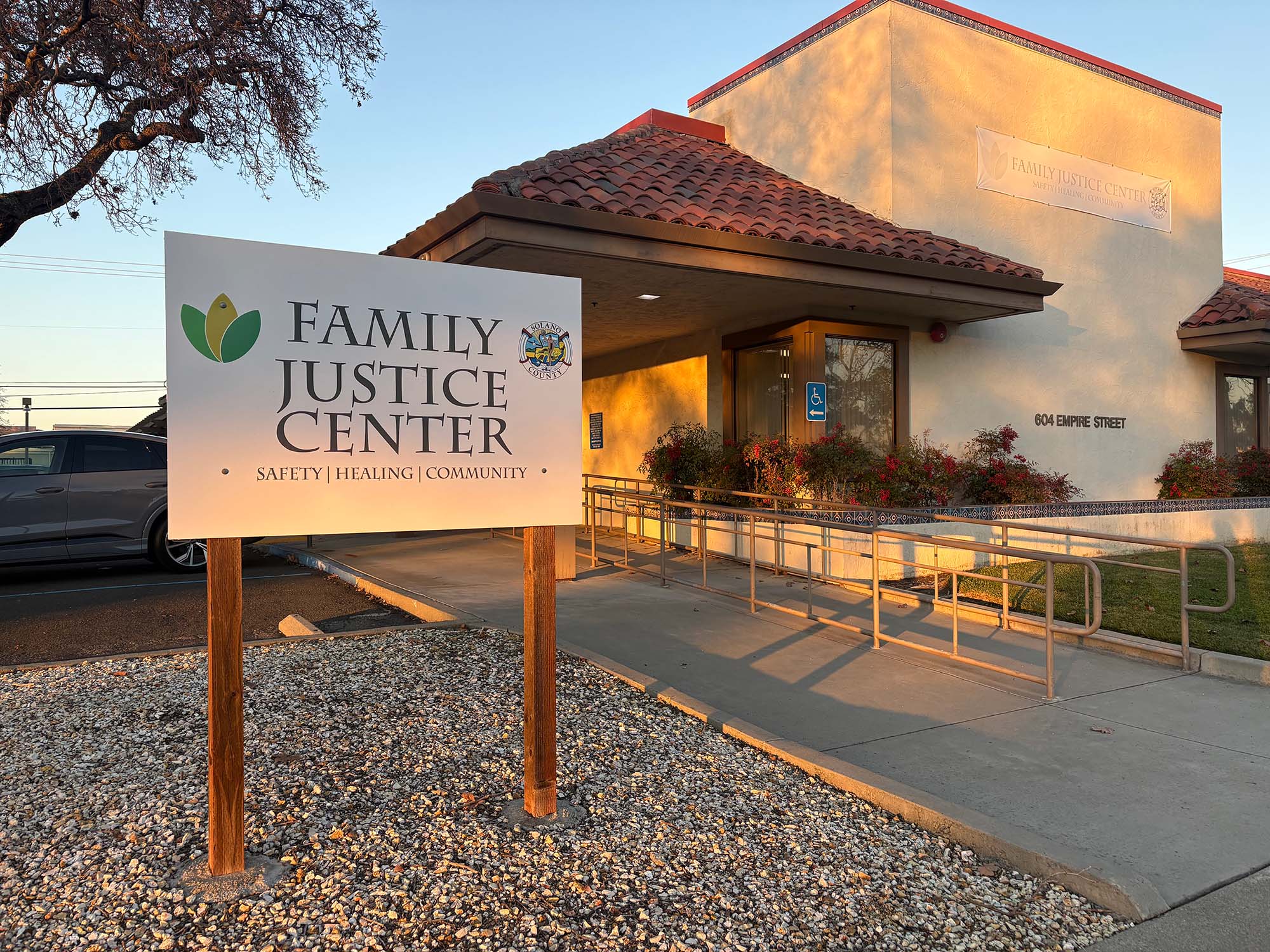
The Board of Supervisors then voted to take away the district attorney’s office budgetary authority, and contracted with the nonprofit Contra Costa Family Justice Center Alliance to run it.
The nonprofit already operated four similar locations in Contra Costa County. The new center provides services and information for survivors and families affected by domestic violence, sexual assault, child abuse, elder abuse and human trafficking, all free of charge.
Since the nonprofit took over three years ago, the Fairfield site has been remodeled into a full walk-in navigation center, utilizing the existing partnerships the nonprofit already had with resources throughout the two counties.
Alliance regional director of client services Reina Sandoval-Beverly told the Vallejo Sun during a site visit that these days anyone can come to speak to a navigator and get assessed for which services they need without being redirected to a waitlist.
“Working with Solano has been beautiful,” Sandoval-Beverly added. “It’s been phenomenal in terms of trauma informed and supportive staff.”
In the alliance’s 2024 report, it recorded serving nearly 1,900 families in Solano County, making it the second most impacted center behind the Central Contra Costa County center in Concord. About 74% of clients reported experiencing domestic violence, with the top needs being family law, advocacy and mental health support. The top three reported ethnicities were 43% Hispanic/Latino, 24% White and 19% Black; 73% of clients reported earning less than $2,000 per month and 68% had children.
Sandoval-Beverly also provided a preliminary report ahead of the 2025 analysis, showing that the Solano center served 2.5% fewer clients than in 2024. However, in the same year the center served 7.8% more children than in the previous year. Despite that, Vallejo police reported an uptick in domestic violence incidents in 2025 after several years of declines since 2020.
The alliance’s report noted, “We believe the slight dip is due to an ongoing fear related to immigration status that has impacted some individuals and families’ willingness to seek or engage in service.”
The center offers connections to a variety of service organizations, such as Child and Youth Behavioral Health Initiative counseling services, Safe4Us’s supervised visitation and exchange services for families and the Trauma Recovery Center Program.
Each client is assessed to determine what services they may need and is offered different programs that might address their situation as quickly as possible, Sandoval-Beverly said. The most in-demand program is the center’s Lawyers for Family Justice service, which employs dedicated law student interns who provide in-person support with legal needs including domestic violence restraining orders and civil harassment orders.
The center was also aesthetically revamped since the nonprofit took over. Although it is still owned and maintained by the county, the alliance made many changes to make it a more welcoming space, Sandoval-Beverly said.
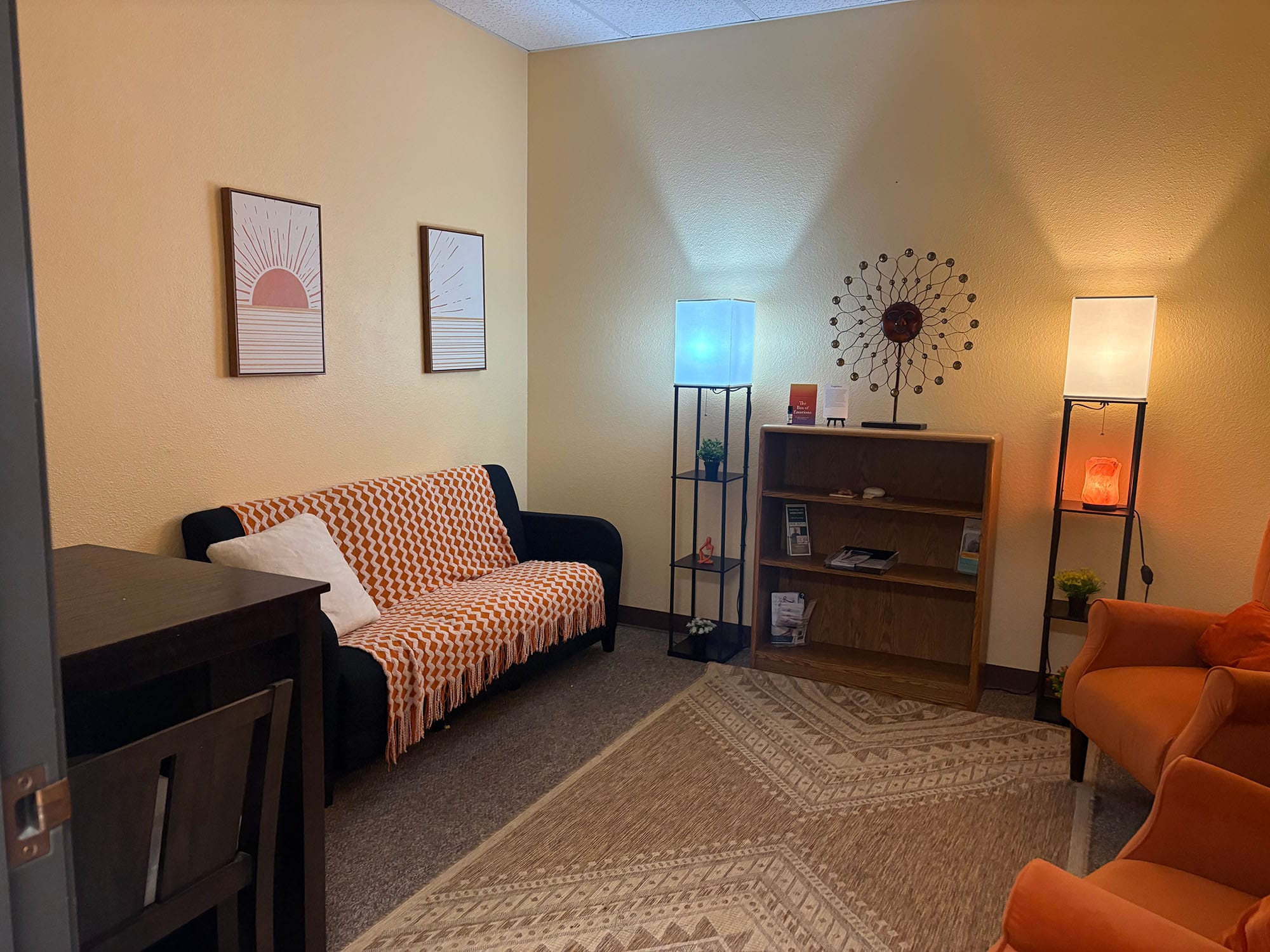
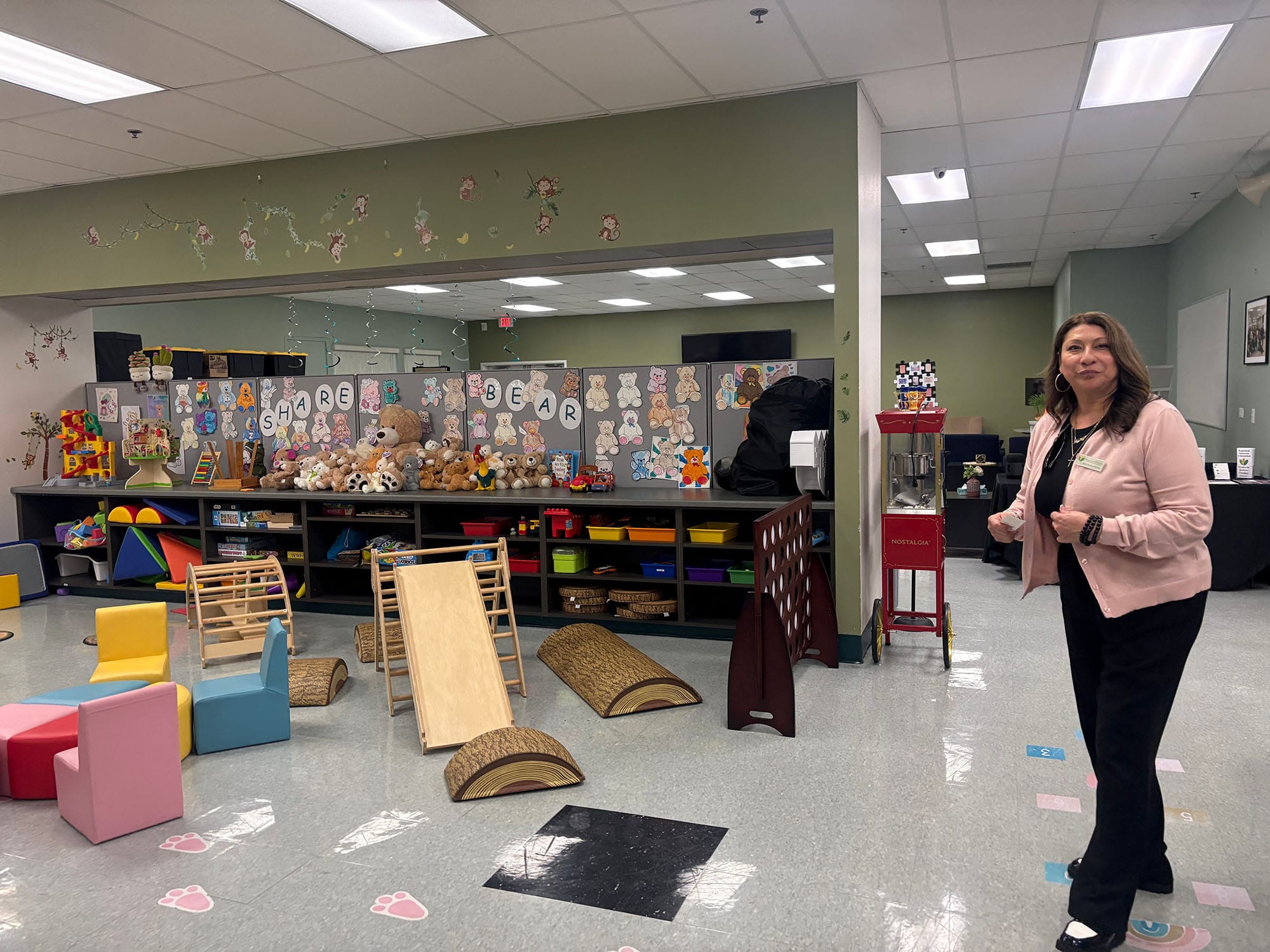
The walls are painted several gentle shades of green, with relaxing music and water ambience playing. There are private rooms with closed doors for confidential assessment and counseling services, and play and socializing areas for children with toys and enrichment activities. The center also maintains a large space for group meetings and refurbished private counseling offices, and runs a family boutique offering clothing and basic necessities.
Alliance regional director of services Mayra Sanchez told the Vallejo Sun that the new aesthetic matches the new trauma-informed navigation approach the center follows. “Our approach is holistic, being really knowledgeable about how we greet people coming through our doors,” she said. “It’s designed to make people feel welcomed and comfortable.”
Nora Martinez, a bilingual family navigator, said that her job is to wrap support around the highest-risk clients who may face the most barriers and safety concerns. Clients can benefit from the connections between different center locations if they need more resources than are available in Solano, she said, adding, “We’re all trained in the same way with a regional standard of care.” The centers can work with clients to help transport them or offer virtual appointments if necessary.
“It’s the ability to resolve doubts and bridge the survivor to partner support in alignment to continue coordination with survivors,” Martinez said. “Nobody feels like they're working in silos here.”
Sandoval-Beverly said that the Fairfield location is the only center offering families supervised visits and exchanges in cases where partners must visit to navigate separations of different family members and siblings.
While the center does not offer an emergency shelter, the center can offer wraparound services for the first 48 hours, when it is most dangerous for a survivor to flee intimate partner violence, she said. The center often refers people to the City Church Fairfield sleep and park site or to Bay Area Rescue Mission in Richmond or Shepherd’s Gate in Brentwood.
Many conversations with clients revolve around transitional housing, although availability is low across both counties, Sandoval-Beverly said.
“The resources are scarce and they’re not always an option,” Sandoval-Beverly said. “The sleep and park has been helpful, but is not always a resource.”
The center has also partnered with SafeQuest Solano, at times taking in clients who are referred from that agency. SafeQuest operates a 10-bed emergency shelter donated by the city of Fairfield, but a Vallejo Sun investigation in 2023 found that an attorney for the organization had been living there. Since then, the organization provided statistics to the city of Benicia that indicated that it has averaged 144 shelter stays per month across two shelters. City of Fairfield officials found similar usage statistics were below their expectations.
SafeQuest financial director Tori Stephenson in January declined to provide current statistics on shelter usage. She said SafeQuest provides hotel vouchers and transportation to those who aren’t eligible for shelter stays.“We do serve both first-time and repeat clients,” she said. “Our focus is always on safety, stabilization, and helping people move toward longer-term solutions as quickly as possible.”
Sandoval-Beverly said that the alliance, like many other domestic violence response centers, upholds the creed of confidentiality to protect people in what is a growing public safety crisis.
She and Martinez emphasized how vulnerable immigrant survivors can be if abusers control or trap them using their immigration status and fear of being detained. Survivors often rely on nonprofit legal services under a confidentiality policy to avoid interactions with law enforcement.
“There’s a sense of misinformation about what criminal versus civil court is for family matters,” Martinez added. “It’s that fear and uncertainty of where to get adequate correct information.” She said that the nonprofit has responded by compiling county resources for immigration and making sure that survivors know their rights and have access to information about immigration attorneys.
“Survivors are leading the way,” Martinez said. “There’s no expectation of them. They will make the respective decision for their situation and for their family dynamic, as long as they are aware of the resources and feel that there is a safety net and they’re not doing this alone.”
Before you go...
It’s expensive to produce the kind of high-quality journalism we do at the Vallejo Sun. And we rely on reader support so we can keep publishing.
If you enjoy our regular beat reporting, in-depth investigations, and deep-dive podcast episodes, chip in so we can keep doing this work and bringing you the journalism you rely on.
Click here to become a sustaining member of our newsroom.
THE VALLEJO SUN NEWSLETTER
Investigative reporting, regular updates, events and more
- government
- business
- health
- crime
- Solano County
- Fairfield
- Vallejo
- Family Justice Center
- Alliance for HOPE International
- Solano County Civil Grand Jury
- Solano County Board of Supervisors
- Solano County District Attorney's Office
- Reina Sandoval-Beverly
- Safequest Solano
- Mayra Sanchez
- Nora Martinez
- Tori Stephenson